
In the ever-evolving world of fashion, few things capture the imagination quite like a good haircut. It’s more than just slicing hair; it’s about sculpting an identity, signaling a change, or, more intriguingly, transforming how others perceive you. One of the most persistent and fascinating observations about style involves hair: the subtle shift from appearing older to looking significantly younger can often be traced back to a carefully chosen haircut. Why? Is it a coincidence, or does something truly profound happen at the hairline where age perception flips? Perhaps it lies in the haircut’s ability to solve problems associated with aging – volume loss, a receding hairline, or even an overall sense of neglect. While a full transformation might require more than scissors, haircuts undeniably hold a powerful key to perceived youthfulness.
An Expert Look at Modern Timeless Cuts
 Examine the clean lines and balanced weight of this style. Modern timeless cuts often hinge on achieving that perfect equilibrium – enough structure to defy gravity, yet softened enough to avoid harshness. This duality is powerful. It frames the face gently, draws attention away subtly from any fine lines, and bestows an air of intentional sophistication rather than haphazard neglect. It’s precise without being overly corrective, suggesting that the wearer knows what they want and how to maintain it.
Structured Style Offers Subtle Yet Significant Framing
 This style emphasizes framing – the deliberate use of shape to define features and elongate the face and neck. Strategic styling around the temples and jawline can soften angles and draw the eye downward, away from the upper face where wrinkles tend to gather. The structure here isn’t about making everything sharp; rather, it’s a supportive canvas that lifts and shapes, preventing hair from falling limply and aging the appearance further. Softness within the structure is key, as extreme sharpness can sometimes appear overly severe or demanding.
Texture and Volume: The Pillars of Youthful Hair
 Where structure and framing are crucial, visible volume and texture are equally vital components in appearing younger. As we age, hair tends to flatten, losing its innate lift. Cuts that sculpt volume, particularly around the crown and temples, fight this natural tendency. Furthermore, hairstyles that incorporate texture – perhaps through layering or longer layers within a shorter cut – add interest and conceal the loss of hair density we often notice with time. The subtle ‘movement’ created by texture draws attention to the hair’s presence rather than its perceived thinness, offering a dynamic counterpoint to static, flat styles.
Textured Volume Transforms Even the Simplest Cut
 This image showcases a transformative principle: texture can make even a simple silhouette appear complex and engaging. The seemingly straightforward haircut gains depth and dimension from the way it’s styled. Expert use of layers and direction during styling maximizes the face-framing effect and adds a youthful fullness that counteracts aging hair trends. This demonstrates that it’s not just the length or shape, but how the hair behaves and sits that makes the difference between a tired style and one that looks freshly cut and vibrant. The secret often lies in seemingly small details executed with purpose.
The Enduring Appeal of Classic Well-Executed Styles
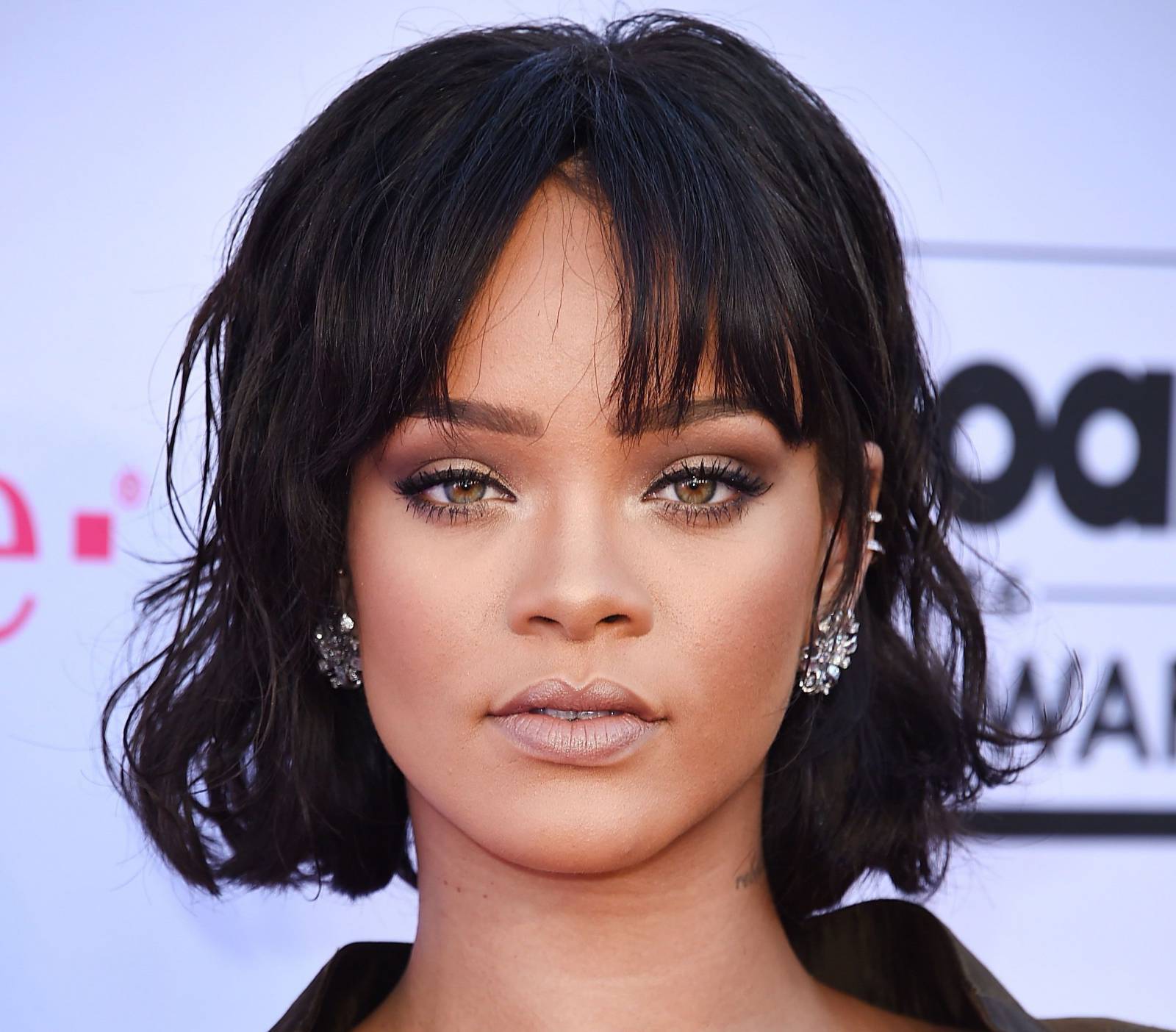 We live in an age of rapid trend cycles, yet enduring styles consistently find their way into the conversation. Why do classic, well-executed haircuts still have such resonance? Perhaps because good design transcends fleeting whims. These time-tested styles, reimagined for the modern sensibility (even in 2026), rely on fundamentals: proportion, balance, and flattering lines. They don’t attempt to be anything other than effective, and their effectiveness stems from a confident simplicity. Cutting away the unnecessary, highlighting the essential features, even in a new decade, is a powerful testament to the timeless power of expert hairstyling. It’s about knowing what to keep, rather than blindly chasing the new.