

Dealing with tight, bouncy curls is a beautiful asset! They can range from fine and tight ringlets to thick, vibrant spirals. Managing them requires the right techniques, products, and, importantly, avoiding styles and cuts that can cause trauma and lead to breakage. What works wonders for straight hair or looser waves can become a nightmare for tighter curl types. In this post, we’ll explore the types of hairstyles and haircut experiences that might be ill-advised for owners of tightly coiled curls, helping you maintain the health and vibrancy of your hair.
Avoid Tight Cornrows and French Braids
 While cornrows and braids are popular and timeless, extremely tight versions can be detrimental to hair health, especially for those with tightly coiled curls. These styles put significant stress on the hair roots and scalp. When worn in consistently tight cornrows for extended periods, even for special occasions, the pulling force can lead to a condition known as “traction alopecia,” causing hair breakage and, in severe, prolonged cases, potential hair loss. If you choose to get braids or cornrows, ensure they are installed by a skilled stylist who creates a comfortable, secure fit rather than an overly tight one, and always plan to transition out of these styles relatively quickly to a protective or afro-textured style.
Beware of Overly Tight Dreadlocks Installation
 If your hair naturally forms dreadlocks, an amazing journey awaits! However, some installation techniques unfortunately involve excessively tight manipulating. Methods like the tight backcombing wire technique or severely tensioned palm roasting can cause immediate breakage and pull on the delicate hair bulbs at the scalp base over long periods. While dreadlocks should technically not cause hair loss when done correctly and maintained by hand releasing, overly tight initial installation and daily vigorous manipulation can lead to physical damage. Focus on established techniques that involve more hand rolling and less aggressive manipulation, which respect the hair’s natural texture and promote healthier dreadlocks.
Diffused Hairstyles with Excessive Weight
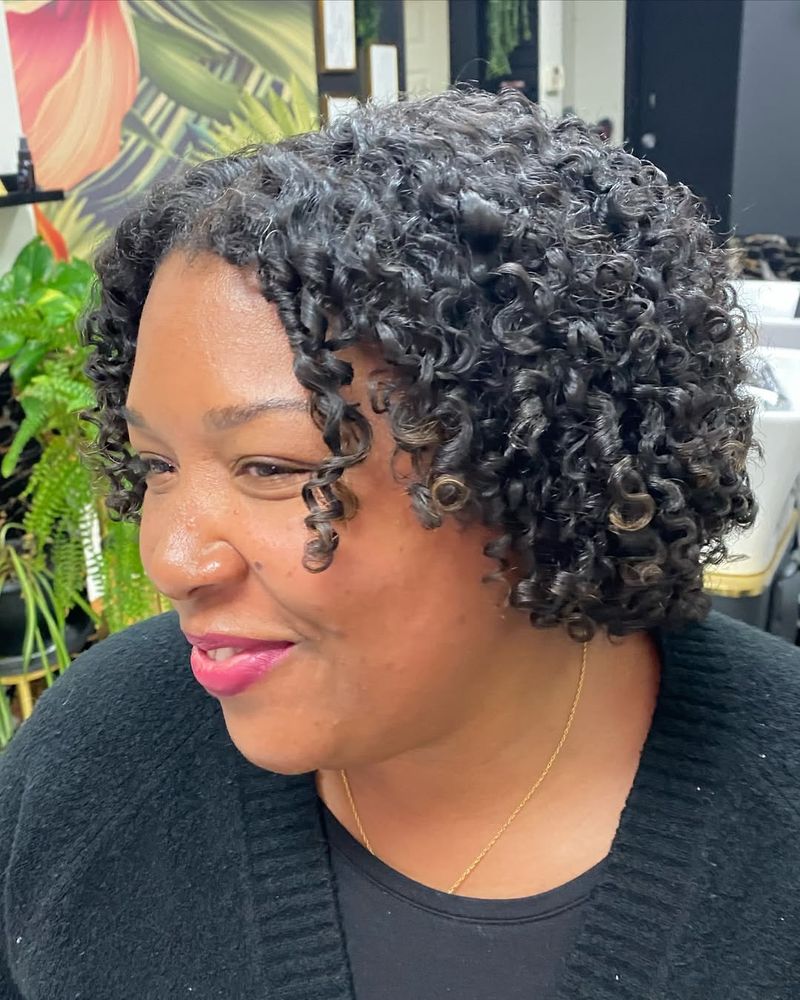 Diffused styles are fantastic for amplifying natural curl bounce and definition. Products like wigs, twists, buns, and braid extensions can showcase lovely diffused texture. However, the issue arises with excessive weight or bulkiness. Wigs that are overly heavy, extensions added in large quantities, or braided puffs that are extremely dense place a significant load on the scalp and hair follicles. This can cause breakage at the points of attachment, particularly at the roots, and may even pull on the scalp, leading to discomfort over time. Always opt for lighter options, wigs sized correctly for your head, and extensions applied judiciously.
Protective Hairstyles That Transition to Too-Tight States
 Protective styles like twists, bibelettes, or twistettes are wonderful year-round options. However, when transitioning from these styles into a more defined or voluminous state (like for social events or sleep), it’s easy to unknowingly create extremely tight coils or twists. Trying to pull out the locs to get a super high, tight puffy afro or bun can place tremendous temporary tension on the hair, leading to overnight breakage. While a protective style worn correctly is gentle, the transition back to an overly tight curly state, if forced, can be stressful. Be mindful of your hair’s limits during transitions, perhaps opting for styles that are still bouncy but not unnaturally permed-tight.
Avoid Constantly Bounced “Perm Rod” Hairstyles
 The “bouncy, high definition” look achieved with perm rods (even if you don’t have damage that mimics perm rod curls) can seem appealing. However, relying solely on perm rods for volume, especially if your natural curl pattern isn’t conducive to holding the tightness effectively day after day, can cause pulling and stress, particularly at the crown. Additionally, perms themselves are chemical processes that can further damage hair that might be prone to dryness and fragility, especially when combined with the inherent dryness often associated with tighter curl patterns. Explore define-up methods or root smudging techniques that add volume without resorting to rod curls that fight your natural fall every single day. Sometimes, a softer, more natural curl definition is kinder to your mane.
By understanding these potential pitfalls, you can make more informed choices about your hairstyle journey. Prioritizing hair health means choosing styles that support, not compromise, your beautiful tight curls. Always listen to your hair’s needs, consult professional stylists familiar with textured hair, and choose treatments and styles that allow your curls to flourish naturally!