

Understanding the difference between balayage and highlights can feel like navigating a complex color chart. Both techniques add gorgeous dimension and light to darker hair, transforming its appearance significantly. But they achieve their results in vastly different ways, leading to different looks and maintenance requirements. Whether you’re dreaming of sun-kissed beach waves or a more uniform blonde, knowing which method is right isn’t just about aesthetics; it’s about finding a color application technique that matches your hair goals and lifestyle. This post dives deep into balayage vs. highlights, demystifying these popular blonde treatments and helping you choose with confidence.
Technique & Application: What Gets Painted On?
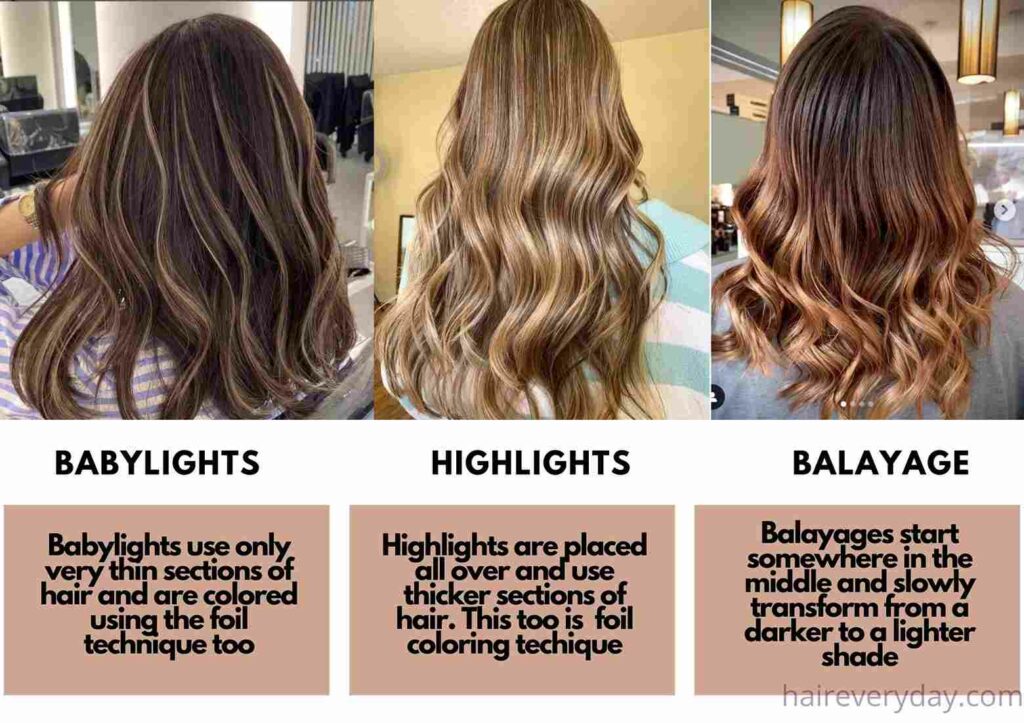 The most crucial distinction lies in the application process itself. Highlights are a technique executed by the stylist section by section, lifting the hair strands (without cutting them) and applying the color underneath the natural hair strand. This direct method means the color sits *on* the individual strands.
Think of it like this: the hair shaft acts like a paintbrush. When a stylist does traditional highlights, they’re essentially painting color onto each strand individually, creating those distinct, lighter sections of hair. This precision can be fantastic for creating noticeable, even spaced lighter strands, especially effective on darker hair for a lift above the roots.
Balayage: The Artistic Soak
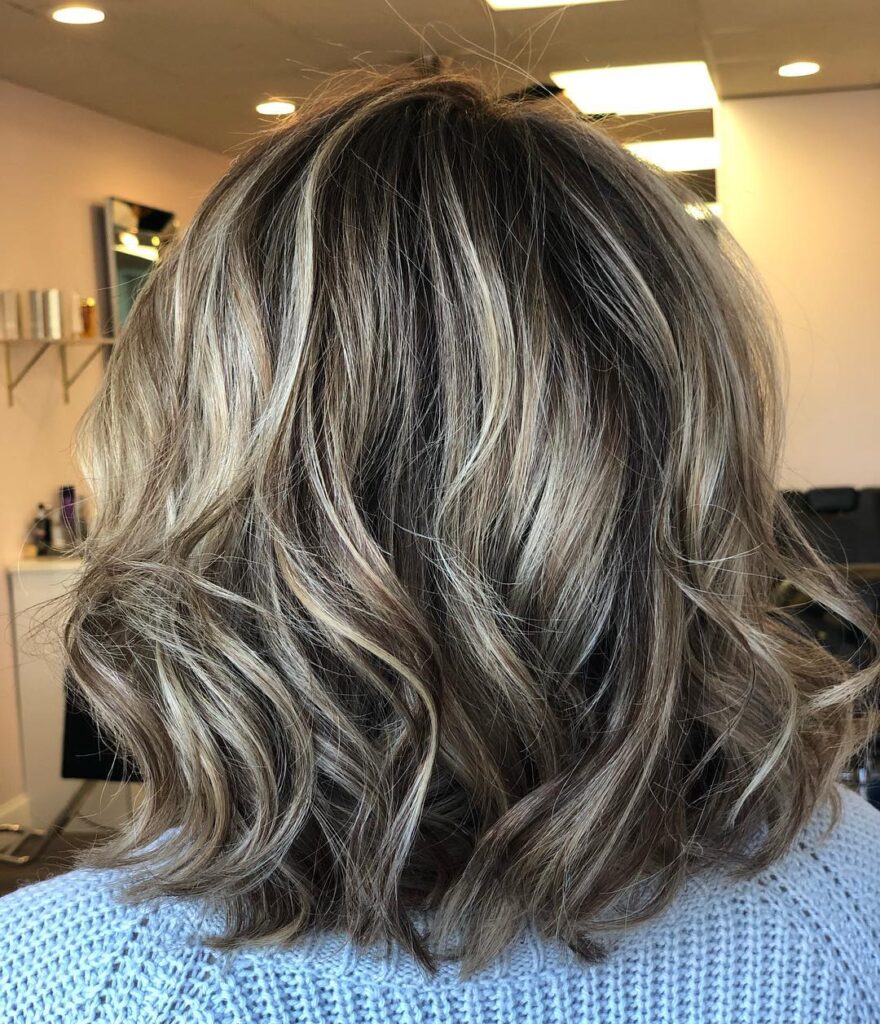 Balayage, short for “do it yourself” or “sweeping application,” is a more free-form approach. Instead of a precise, section-by-section painterly method, balayage involves blending color onto the hair using a wet brush or directly from the bowl, and often a damp cloth or mitt. The technique relies heavily on the artist’s hand - smoothing it onto damp hair and blending the edges meticulously as it dries. The goal is not sharp contrast but soft, diffused color.
This soak-on effect means that instead of the color sitting *on* the strand, it seeps *into* it partially, creating a more natural transition from the base color to the lighter shade. It’s less about defined streaks and more about painting in the light. This method inherently reduces the contrast compared to pulled highlights, offering a softer, more sun-kissed appearance.
The Lightening Process & Development
 This difference in application directly impacts the color development and final result. With highlights, the hair is lightened or colored while it’s cuticle-up, allowing the color to penetrate more uniformly. The resulting tone is what is mixed into the developer – meaning the shade you see in the box is generally what the final hair will achieve, assuming the hair prep was identical.
Balayage, being soaked onto the hair, undergoes a different lightening process. Because the hair is cuticle-up for less time (the soaking process is shorter than a traditional highlight), the result is often two degrees lighter than the intended color lifted in the salon chair. It’s a secondary benefit inherent to the technique. The color bleeds underneath during the processing, creating a softer tone. This also requires more precise color selection because the final shade can vary depending on the process specifics and hair type.
Maintenance & Longevity: Which Style Stands the Test
 Maintenance is another key factor separating these techniques. Highlights, being distinct patches of lighter hair that lift from the roots, point out when it’s time for a touch-up. These light sections are noticeable, especially as they fade. A touch-up between salon appointments typically involves re-highlighting only the roots, and regrowth is often very discernible – you might have that “blonde staircase” look.
Balayage, on the other hand, becomes one with the hair. The rooted growth appears natural because the color has grown out and blended seamlessly with the base hair color. Since balayage doesn’t lift hair from the root, the lightening process is slowed, meaning the color lasts longer than what you might expect from the volume. A typical balayage needs retouching around six weeks after the initial application (similar to a root touch-up for highlights), but the overall growth of noticeable regrowth between touch-ups is less pronounced than with traditional highlights, often lasting closer to four weeks. It’s inherently more low-maintenance, requiring fewer touch-up appointments than a comparable volume of highlights.
Choosing Your Light: Factors Beyond the Technique
Neither balayage nor highlights is inherently better; the “better” choice depends on your specific hair, skin tone, desired result, and lifestyle:
If you want a visible, defined result, opt for highlights. They are excellent for creating that head-turning, “let there be light!” effect. They are also highly effective for creating a significant dark root lift on blonde hair.
If you desire a more natural-looking blonde, want low-maintenance touch-ups, or have naturally darker hair and want to avoid stark contrast, go for balayage. It offers a sun-kissed glow, is longer-lasting between salon visits, and integrates more seamlessly with the rest of your hair.
Consider your hair type too. Balayage can also be done with darker colors for dimension (like auburn, deep brown, black highlights) on colored hair, although its most iconic use is in blonde transformation. Both techniques work well on previously colored hair, but always prepare for potential color adjustments based on the starting point.
The Verdict: Make an Informed Decision
Balayage and highlights represent two distinct philosophies for adding light to your hair. Highlights focus on precision and defined results, achieved through meticulous sectioning and painterly placement. Balayage emphasizes a blended, natural look, achieved through soaking and seamless blending. Each offers unique benefits – from the dramatic statement of highlights to the effortless, sun-kissed finish of balayage.
Your choice should be guided by the desired aesthetic and how much maintenance you’re comfortable with. With this comparison now at your fingertips, you’re ready to consult your stylist and explore the beautiful world of hair color with confidence.