

Deciding between balayage and ombré can feel overwhelming. These two sun-kissed hair coloring techniques have exploded in popularity, offering stunning dimension and depth. But how do they differ? Understanding the core characteristics of balayage vs. ombré is crucial to choosing the perfect hair color transformation. This ultimate guide dives deep into the specifics, helping you decipher which method, or combination, suits your hair goals best.
Blending by Hand vs. Machine Precision: Technique Deep Dive
 The fundamental difference lies in their execution. Ombré relies heavily on a **machine**. Typically, a stylist applies darker (or a different tone) color at the bottom layers of the hair (scalp) using a striping brush within a color processing barrel. The stylist methodically moves up in stripes, creating a distinct gradient effect. Think of it as digitally painting hair color in sections, resulting in a seamless transition from root to tip, but with a very intentional, even blend.
Root Game: Root Regrowth and Maintenance
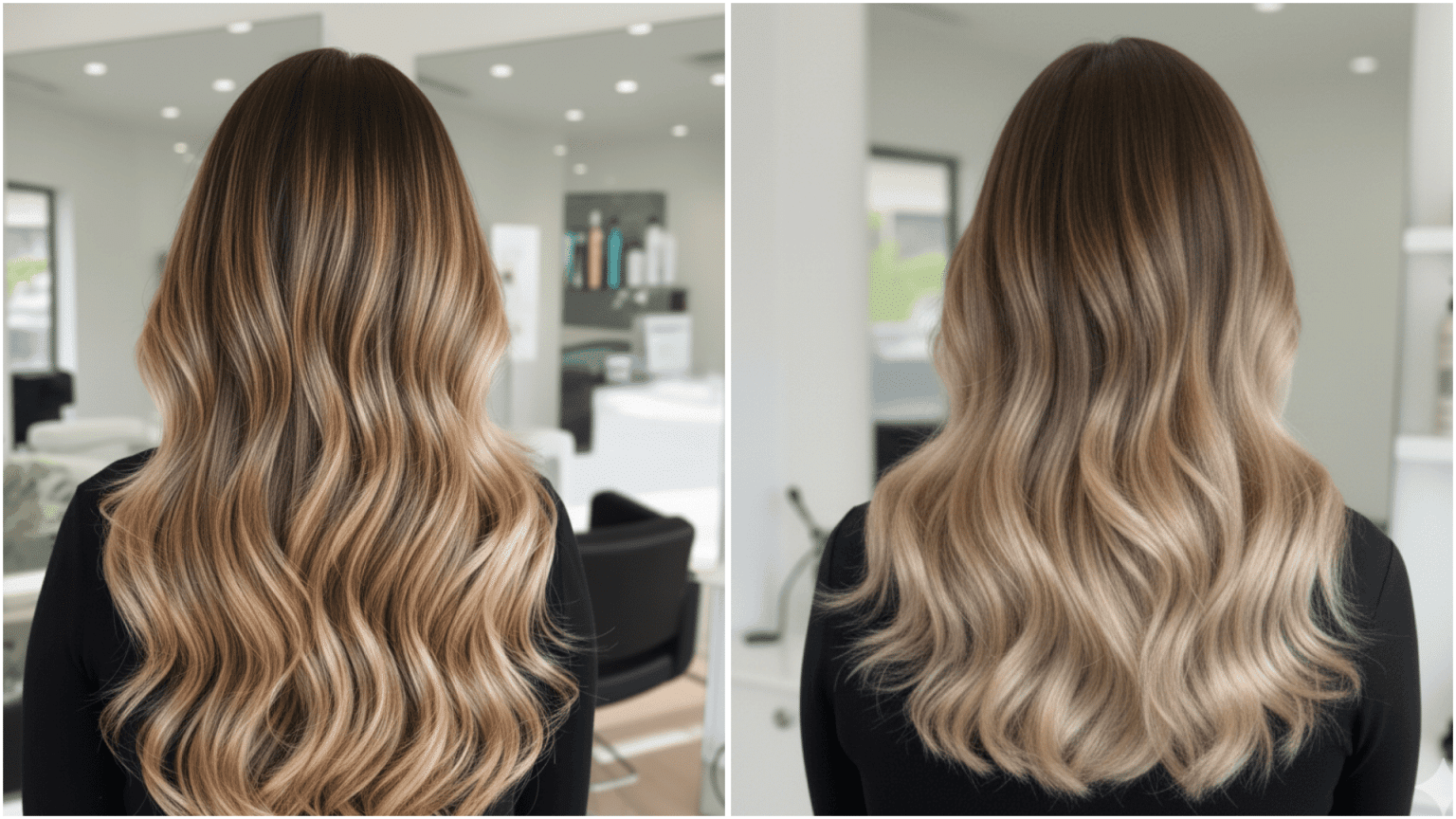 When it comes to the roots, or **foreskull**, these techniques tell a different story, impacting longevity and upkeep. Balayage is executed **by hand**, usually applying the darkest color only near the scalp and drawing lighter shades upwards. This artisanal process results in **softer, more natural-looking regrowth** (fades) and growths. The blend often incorporates strands of already-bleached or lighter hair within the darker sections, creating a lived-in, sun-bleached look. Ombré, with its machine-assisted, even application, tends to have **more defined roots** initially. While blend-up styles at the end of an ombré application can mimic balayage, the process inherently results in a distinct color shift at the root zone (lighter above, darker below). This makes ombré slightly less prone to noticeable root regrowth but can show fade more visibly above the root line.
Growth Lines: Where Colors Meld
 Examine the hair towards the top and middle. Ombré typically features a remarkably **smooth transition**, melting from dark to light in even strokes, creating a dramatic, high-contrast effect from root to tip. The color shift is gradual but often very even. Balayage, conversely, is known for a **frosted root edge**. This look can be subtle or dramatic depending on the technique used, but even the most natural-looking balayage features lighter strands mixed within the darker root area. This mimics sun-kissed strands and contributes significantly to the lower maintenance aspect. It’s the hallmark sign when observing a close-up of a balayage root zone.
Lifestyle Considerations: What Suits Which Approach
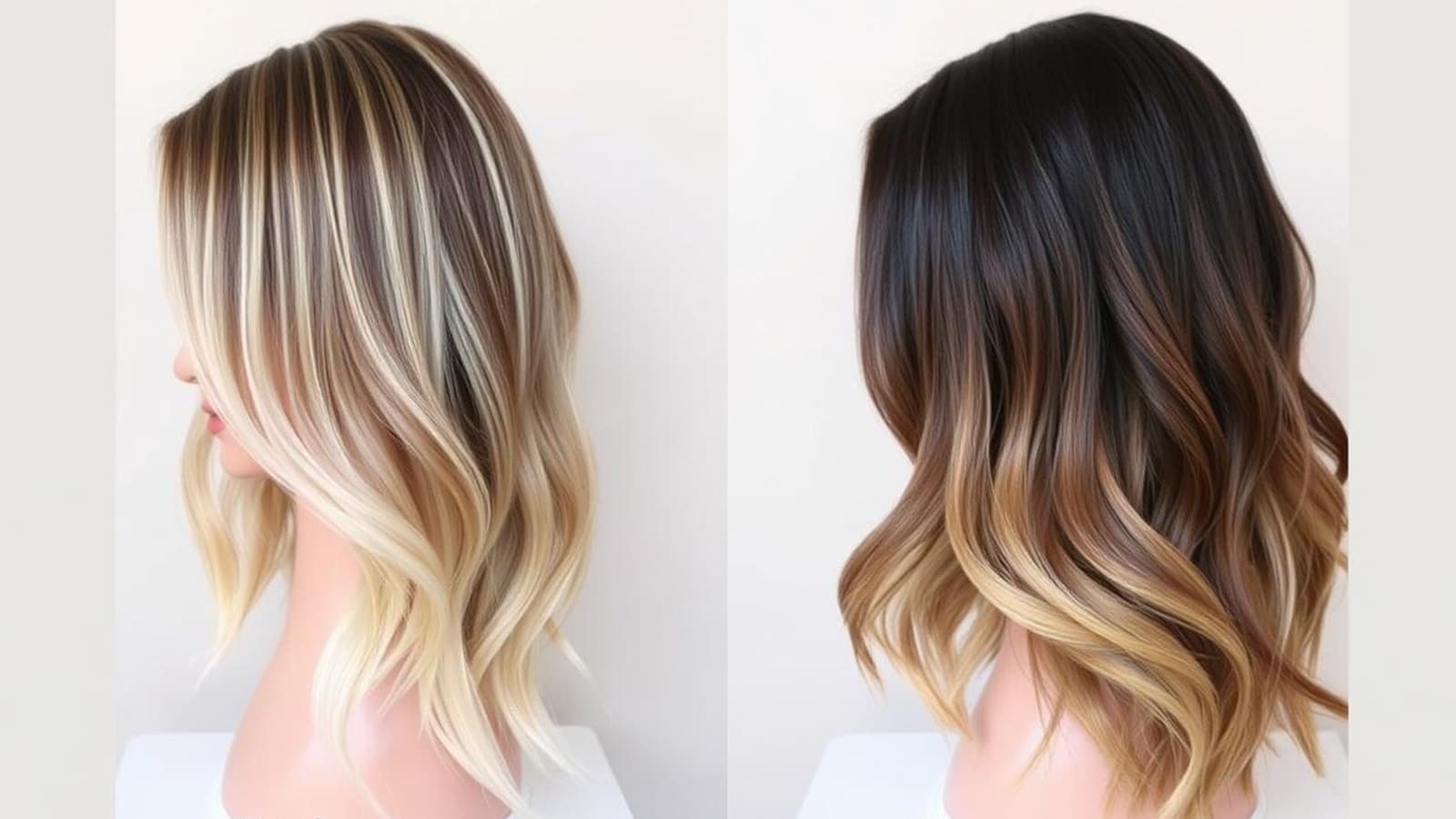 The ideal length and desired lifestyle outcome also influence the choice between balayage vs ombré. Ombré’s strong contrast (e.g., black base with blonde ends) makes it visually striking even on shorter hair, though longer hair maximizes the dramatic effect. Its smoother fade requires touch-ups less frequently than balayage, but regrowth can be visible. Balayage’s soft, sun-drenched, less defined regrowth is **perfect for longer hair**, especially medium to long lengths, adding dimension and life. However, because the lighter strands are often a part of the design, hair must be *grown out* entirely for the look to completely disappear – cutting it down reveals the lighter root strands. Consider the amount of time you’re willing to commit to maintaining your look.
Harnessing the Trend: Your Ideal Hair Vision
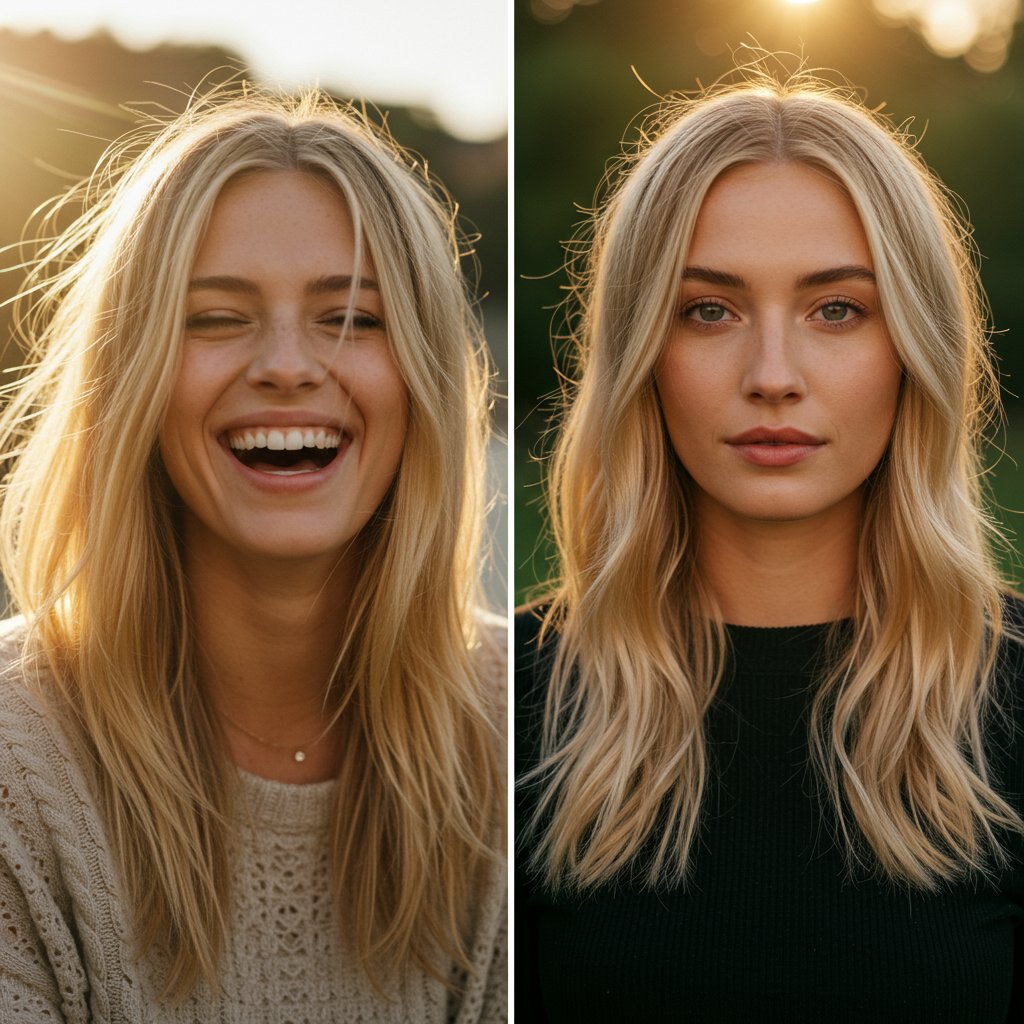 Ultimately, the choice isn’t always clear-cut. Ombré offers **maximum contrast** and can be a bold fashion statement. Balayage provides a **lived-in, natural, low-maintenance dimension** ideal for blonde or lightening roots on darker hair. Many stylists will combine the techniques, perhaps doing a low-balayage root on an ombré hairstyle to achieve both the desired contrast and extended longevity with softer fades. The key takeaway? Balayage is hand-painted, typically creates softer regrowth, often features frosted strands at the root, and is low-maintenance; Ombré relies on machine strips, offers a high-contrast blend typically with a cleaner root line initially, and reveals root regrowth (fade) evenly along those darker-to-lighter transitions.