
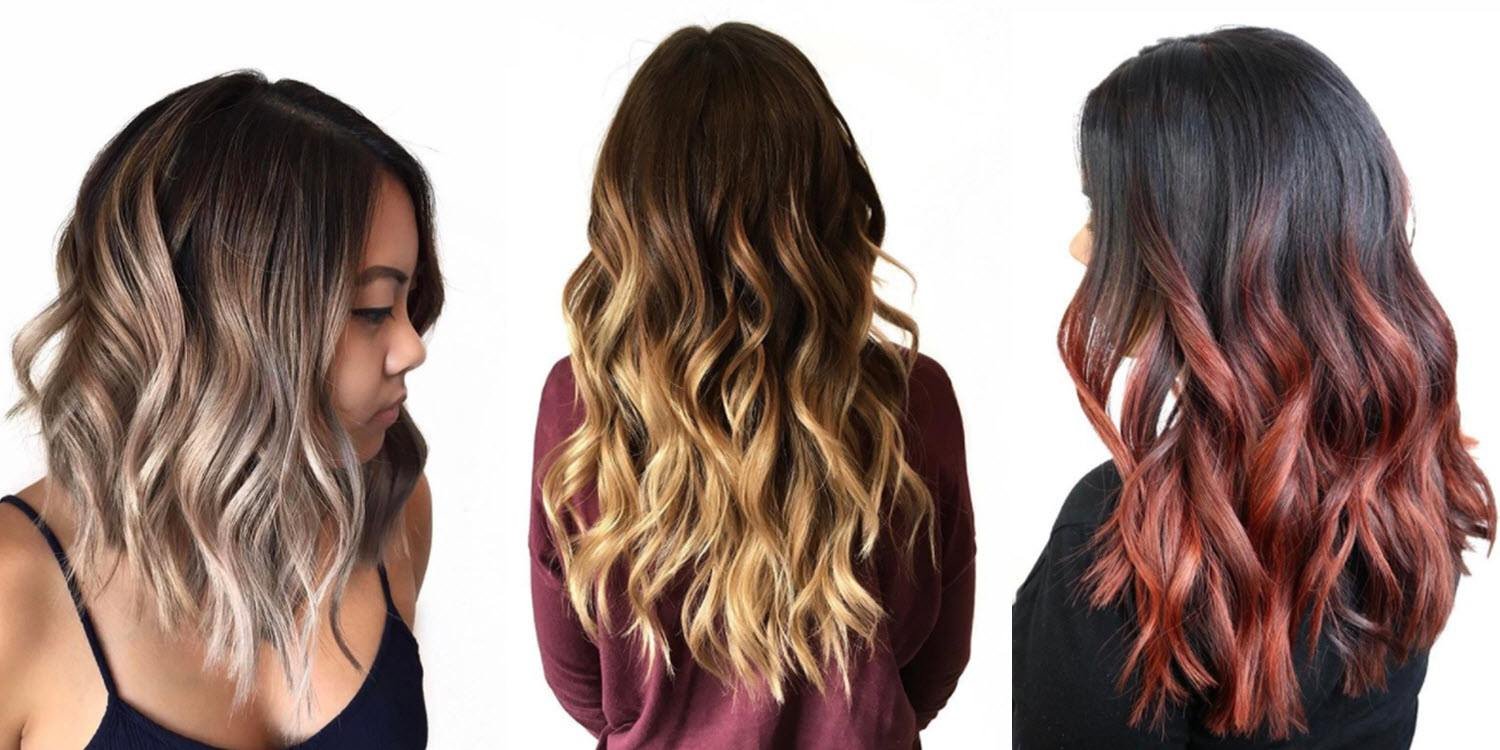
Still standing in front of your wardrobe, wondering just which hair color technique will make you glow, or perhaps looking beyond the hair color debate entirely? Feeling like a modern-day hair color dilettante caught between centuries-old techniques like classic ombre and a more recent art form? It happens! We often get swept by hair color trends and promises, but sometimes, the technical difference can feel like a language barrier or a confusing maze.
What Exactly is Balayage?
 Balayage is the artist’s secret weapon. If you’ve heard the term thrown around, perhaps you’ve noticed its commonality with names like “ombre” and “sombre” – but don’t be fooled! Unlike those techniques built on a methodical layering or foiling process, balayage is a hand-painted dream. Stylists literally brush, sweep, or “sweep and blow” (yes, seriously) freehand color onto patches of your hair, usually focusing the most intense blend near the roots for a naturally grown-in, sun-kissed effect.
Crafting the Classic Ombré Gradient
 Naming days feel very Victorian for hair color. Ombré, born from the French language, refers to the dramatic transition from one shade to another. Think of it as paint mixing from the roots to the ends. Applying either low or high amounts of darker pigment onto lighter hair, or vice-versa, the process typically relies less on freehand artistry than on precise foil placement or, less commonly, sectioning and gradual toning.
Ombré vs Balayage: Key Differences At A Glance
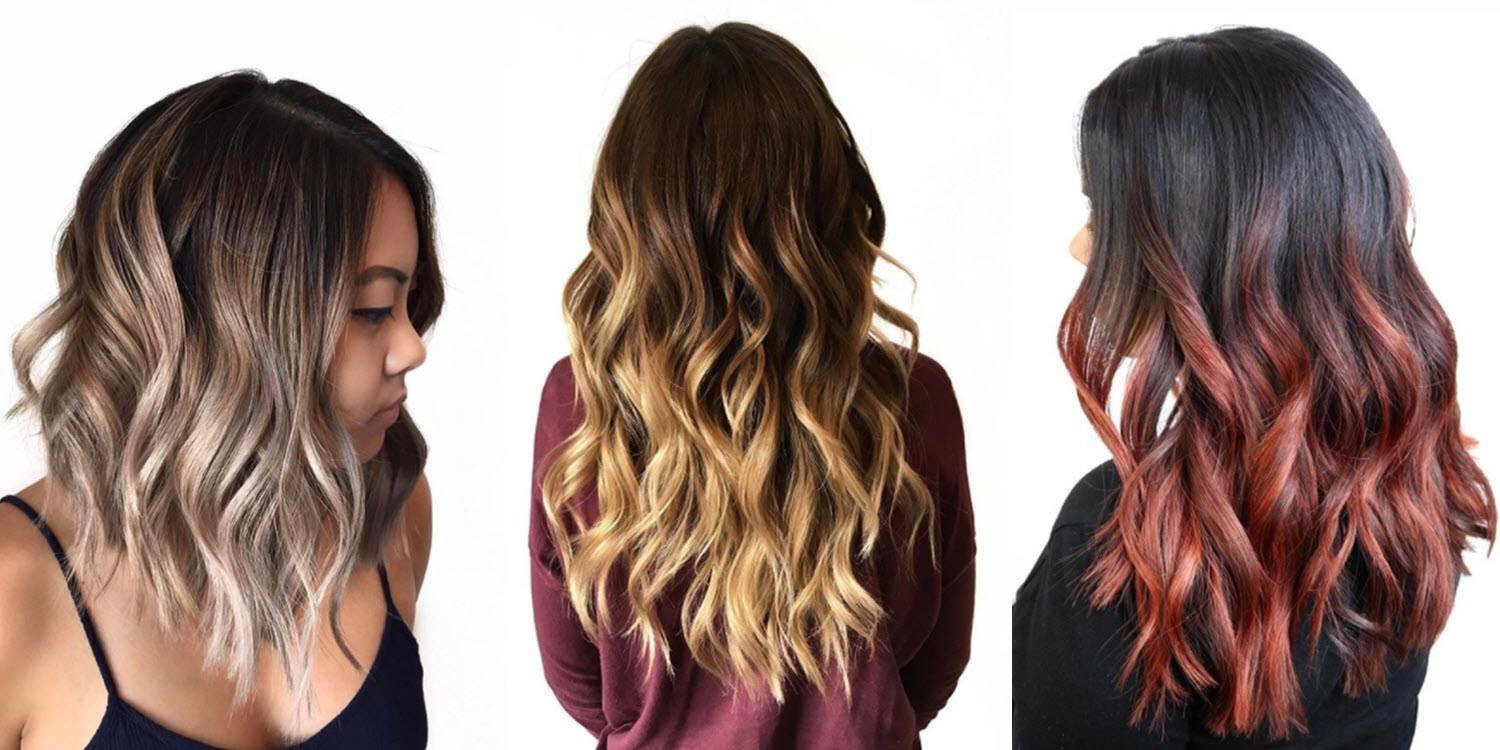 The core difference boils down to two things:
- Application Technique: Balayage is pure brushwork art, one-tooth after another, blending seamlessly onto individual strands without foils. Ombré involves systematically applying color through foiling or multiple steps to achieve its signature stark transition, often relying on foils for precision and placement.
- Resulting Look: Balayage offers a softer, more diffused, low-maintenance, multidimensional look with gradual blending. It’s designed to mimic natural color growth, minimizing harsh lines or “regrowth lines”. Ombré, on the other hand, promises a more dramatic, often bold statement: a clear, visible gradient from lightest root to deeper color (or lighter shade) point. It’s a more uniform transition, less free, but just as striking.
Balayage vs Ombré Hair Color: Which Should You Choose?
 Choosing between a balayage and an ombré is about more than just the technical method – it’s about predicting the look, maintenance, and personal style. Consider these questions:
- Desired Look: Want a subtle, warm honey gradient that softens the face and looks natural? Balayage might be your velvet ropes. Need a bold, graphic shift that captures attention from root to tip? Your dramatic ombre might call your name.
- Maintenance: Don’t underestimate the commitment. While often marketed as lower maintenance, balayage can build up. The freehand technique relies on precision; if hair breaks through or fades unevenly, it may require more frequent touch-ups than a properly done classic ombre, which retains its sharp gradient easily.
- Skin Tone & Lifestyle: Consider your skin tone and how much natural light plays in your hair’s journey. A well-executed balayage flatters a wide range but requires a certain commitment to its multidimensional style. A striking ombré might be fantastic in photos or on the runway, but a harsh line on an undertone might not be your best look. Lifestyle also plays a part – a busy career girl might appreciate the durability and lower touch-up frequency of standard ombre slightly more than a more organic balayage.