

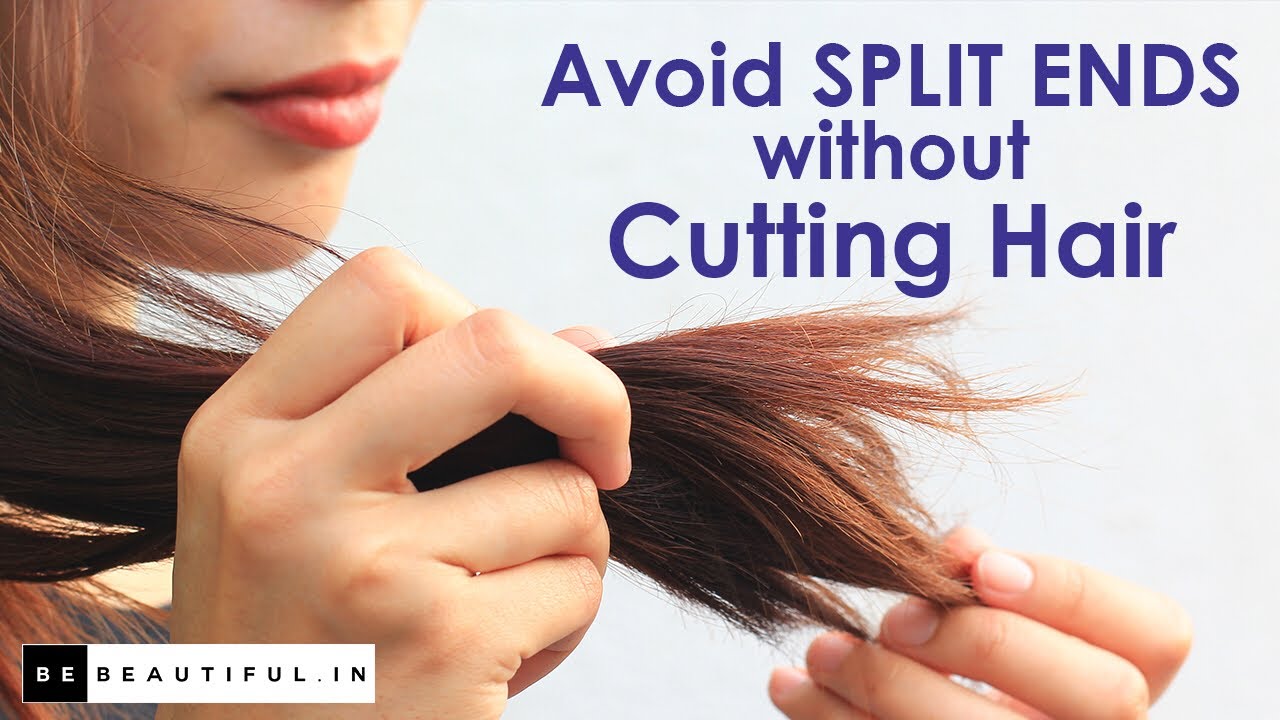
Split ends are a common hair concern that can leave your locks looking dull, frizzy, and unhealthy. Many people wonder if a simple haircut can provide a permanent solution to this persistent problem. The truth is, while a trim can temporarily remove split ends, preventing them from returning requires a consistent hair care routine. Understanding the causes of split ends and how to manage them can help you maintain smoother, stronger hair in the long run.
What Causes Split Ends and Why They Keep Coming Back
 Split ends occur when the protective outer layer of the hair cuticle wears away, causing the hair strand to fray and split. This damage is often caused by heat styling, chemical treatments, harsh brushing, and environmental factors like sun exposure and pollution. Unfortunately, once a hair strand splits, it cannot repair itself naturally. While a haircut can snip off the damaged ends, the underlying causes—such as heat damage or lack of moisture—can lead to new splits forming over time. To minimize recurrence, focus on reducing heat exposure, using protective hairstyles, and incorporating deep conditioning treatments into your routine.
Can a Haircut Really Fix Split Ends for Good?
 A haircut can temporarily eliminate split ends by removing the damaged portions of your hair, giving your strands a cleaner, healthier appearance. However, it’s important to note that split ends cannot be permanently fixed with a trim alone. Hair grows from the root, and the new growth is only as healthy as the care you provide it. If you continue to expose your hair to damaging habits, new splits will likely form. To maximize the benefits of a haircut, pair it with a proactive hair care regimen that includes regular trims every 6-8 weeks, gentle hair handling, and nourishing products.
How Often Should You Trim Your Hair to Prevent Split Ends?
 The frequency of haircuts depends on your hair type and how prone it is to damage. For those with fine or chemically treated hair, trimming every 6-8 weeks can help prevent splits from worsening. If your hair is naturally coarse or healthy, you may be able to extend the time between trims to 10-12 weeks. Regular trims not only remove existing split ends but also help maintain your hair’s shape and overall health. Instead of waiting until damage is visible, proactive trimming can keep your hair looking its best and reduce the need for more drastic cuts later on.
Protective Hairstyles and Products to Extend the Life of Your Haircut
 While a haircut provides immediate relief from split ends, protective hairstyles and the right products can help preserve your results. Styles like braids, buns, and twists reduce friction and breakage, while silk or satin pillowcases minimize damage while you sleep. Incorporate a leave-in conditioner or hair serum with keratin or argan oil to strengthen strands and seal the cuticle. Avoid over-washing, as this can strip natural oils that protect your hair. By combining these strategies with regular trims, you can keep your hair looking smoother and healthier for longer.
DIY Treatments to Strengthen Hair Between Haircuts
 Even with regular trims, your hair needs extra nourishment to resist splitting. DIY treatments like coconut oil masks, honey and yogurt deep conditioners, or aloe vera gel applications can provide deep hydration and protein to repair weak strands. Focus on the mid-lengths to ends, where damage is most likely to occur. Additionally, avoid brushing your hair when it’s wet, as this is when it’s most vulnerable to breakage. By integrating these treatments into your routine, you can prolong the time between haircuts and enjoy stronger, more resilient hair.