

Ready to Transform Your Passion into Pigtails and Braids? Thinking about becoming a professional hair stylist might sound glamorous, right? We picture flawless cuts, vibrant color, and confident clients leaving with their best look ever. The idea seems exciting! But while the destination is undeniably cool, let’s be honest – the journey involves more than just pulling your first perfect ponytail. It’s a blend of creativity, skill, dedication, and sometimes, more elbow grease than you thought possible! So, you’re ready for the challenge?
Understanding the Hair Industry: More Than Just Trends
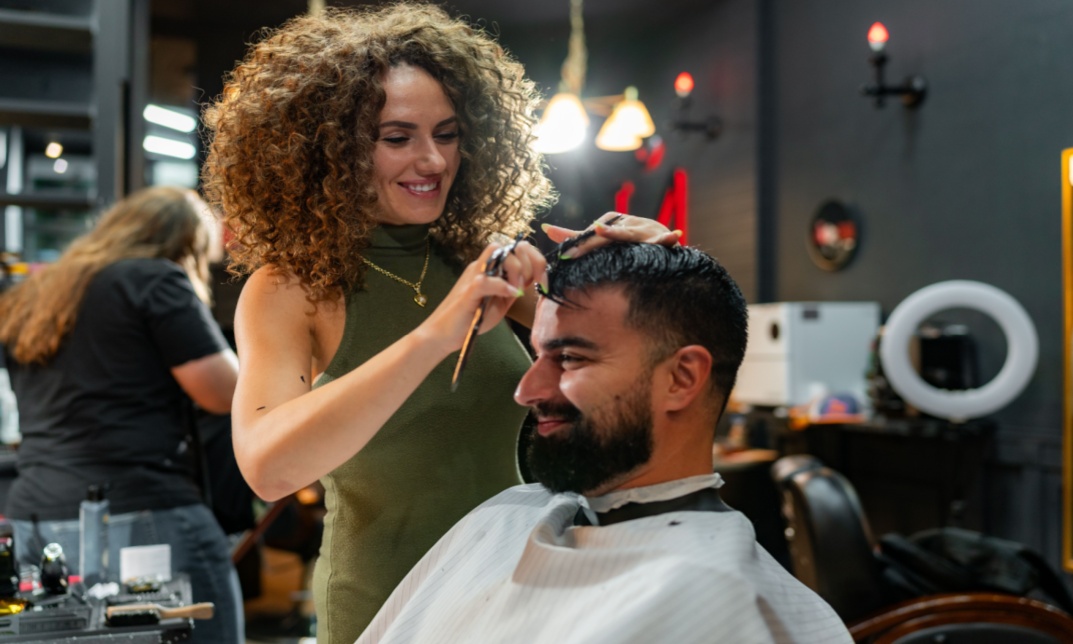 Before clipping shears or dipping into color pots, it’s crucial to get grounded in the reality of the hair industry. Hair trends change faster than seasons, products are constantly evolving, and client expectations are higher than ever. A true professional doesn’t just follow trends; they understand why things work, they know how different hair types respond to different textures and chemicals, and they grasp the business side of salons – from managing time effectively during appointments to understanding basic retailing. This foundational knowledge helps differentiate a dabbler from a genuine stylist committed to longevity.
The Educational Pathway: Salon Apprenticeships vs. Formal Training
 How you learn the intricate details of hairdressing differs as much as the styles themselves. Traditionally, the apprentice system has been a cornerstone, offering invaluable hands-on experience under the watchful eye of an experienced master. You learn client interaction, the feel of hair, and troubleshooting real-time. Alternatively, formal cosmetology or hairstyling programs offer structured learning environments, providing comprehensive theory, classroom instruction in chemistry (behind color theory!), anatomy (for safe cutting and perms), sanitation, and then practical lab time. Whether you choose the close-knit mentorship of an apprenticeship or the structured curriculum of a school, dedication to mastering the basics – cutting, coloring, perming, styling across various hair types – is non-negotiable. Expect long hours, scrutiny, patience (yours and your mentor’s), and a burning desire to learn.
Mastering the Art: Cutting, Coloring, and Creative Expression
 Being a good hair stylist is about precision *and* creativity. Think about it: cutting hair requires immense concentration, artistic vision, and dexterity. It’s not about just grabbing scissors and chopping – it’s understanding angles, layers, weight, texture, and how even a single trim affects the overall shape. Coloring requires not only technical prowess with mixing, mixing amounts, and application but also keen color analysis skills to find the perfect tone for a client’s undertones. And then there’s the sheer creative aspect – translating an undefined idea into a tangible hairstyle (whether it’s a simple trim, a complex weave, or a stunning updo). This blend of science and art, executed efficiently even under time pressure, defines the seasoned pro. Continuous practice, critical eye for self and peers, and a constant drive to refine technique are your best allies here.
Experience: From Counter Assistant to Styling Expert

Professionalism, Continuous Learning, and Your Personal Brand
 A professional hair stylist wears many hats. Firstly, they are ethical professionals, meaning meticulous attention to sanitation, ethical business practices, and fair treatment of clients and colleagues, including apprentices. Secondly, they are lifelong learners – the field is dynamic! From mastering the latest keratin treatments and highlights techniques to understanding new regulations in safety, stylists who stay curious and adaptable are the most valued. And crucially, they cultivate their personal brand – that unique mix of skill, confidence, aesthetic, and communication style that keeps clients coming back. Building trust, delivering results, and presenting yourself as the knowledgeable expert – that’s the ongoing commitment of a professional in this field.