
Ever walked into a room and instantly felt like you owned it—just by the way you carried yourself? Now, imagine walking into a courtroom with that same confidence. Sounds powerful, right? But here’s the twist: your courtroom presence isn’t just about confidence—it’s about making a statement without saying a word. And the first thing everyone notices? Your appearance. So, how do you dress to command respect, project authority, and still feel like yourself? Let’s break it down.
Dressing for the Bench: Why Conservative Isn’t Just a Suggestion
 Think of a courtroom as a stage where every detail matters. The judge, the jury, even the opposing counsel—all eyes are on you. Conservative dress isn’t just a formality; it’s a silent nod to the gravity of the situation. A well-tailored suit in neutral tones (think navy, charcoal, or gray) signals professionalism and seriousness. But here’s the kicker: it’s not about blending in—it’s about standing out as someone who takes the process seriously. Avoid bold patterns or flashy accessories; they can distract from your message. Instead, opt for clean lines and minimalist designs. After all, in a room full of legal minds, subtlety speaks volumes.
From the Jury’s Perspective: What Your Outfit Says Before You Speak
 Ever heard the phrase, “You never get a second chance to make a first impression”? In the courtroom, that first impression is often formed within seconds of you walking in. Your outfit is your non-verbal introduction. A crisp white shirt paired with a dark suit? That’s confidence. A tie that’s slightly askew? That’s distraction. Jurors and judges subconsciously associate neatness with credibility. But here’s a playful challenge: try on three different outfits before your next court date. Which one makes you feel like the most put-together version of yourself? The answer might surprise you. Remember, your goal isn’t to impress with fashion—it’s to ensure your appearance doesn’t overshadow your argument.
The Power of Minimalism: Less Clutter, More Authority
 Minimalism isn’t just a design trend—it’s a courtroom strategy. A clutter-free wardrobe translates to a clutter-free mind. When you strip away the unnecessary (think loud colors, excessive jewelry, or ill-fitting clothes), you leave room for what truly matters: your presence. Imagine walking into a room where every detail is intentional. That’s the energy you want to bring to the courtroom. Stick to classic cuts and neutral palettes. A single, well-chosen accessory—like a simple watch or a pair of cufflinks—can add a touch of personality without compromising professionalism. The key? Balance. You want to be remembered for your arguments, not your outfit choices.
Dressing to Influence: How Your Appearance Affects Your Case
 Let’s get real for a second: appearances shape perceptions. Studies show that people form opinions about others within seconds of meeting them—and those opinions are hard to shake. In the courtroom, your appearance can influence how your credibility is perceived. Dressing conservatively doesn’t mean sacrificing your personal style; it means refining it. A well-fitted blazer, polished shoes, and a neatly pressed shirt can make the difference between being seen as prepared or unprepared. But here’s a thought-provoking question: if you walked into court wearing your everyday clothes, would anyone take you as seriously? The answer might be the push you need to elevate your wardrobe game. After all, looking the part is the first step to owning the room.
Beyond the Suit: The Subtle Art of Courtroom Grooming
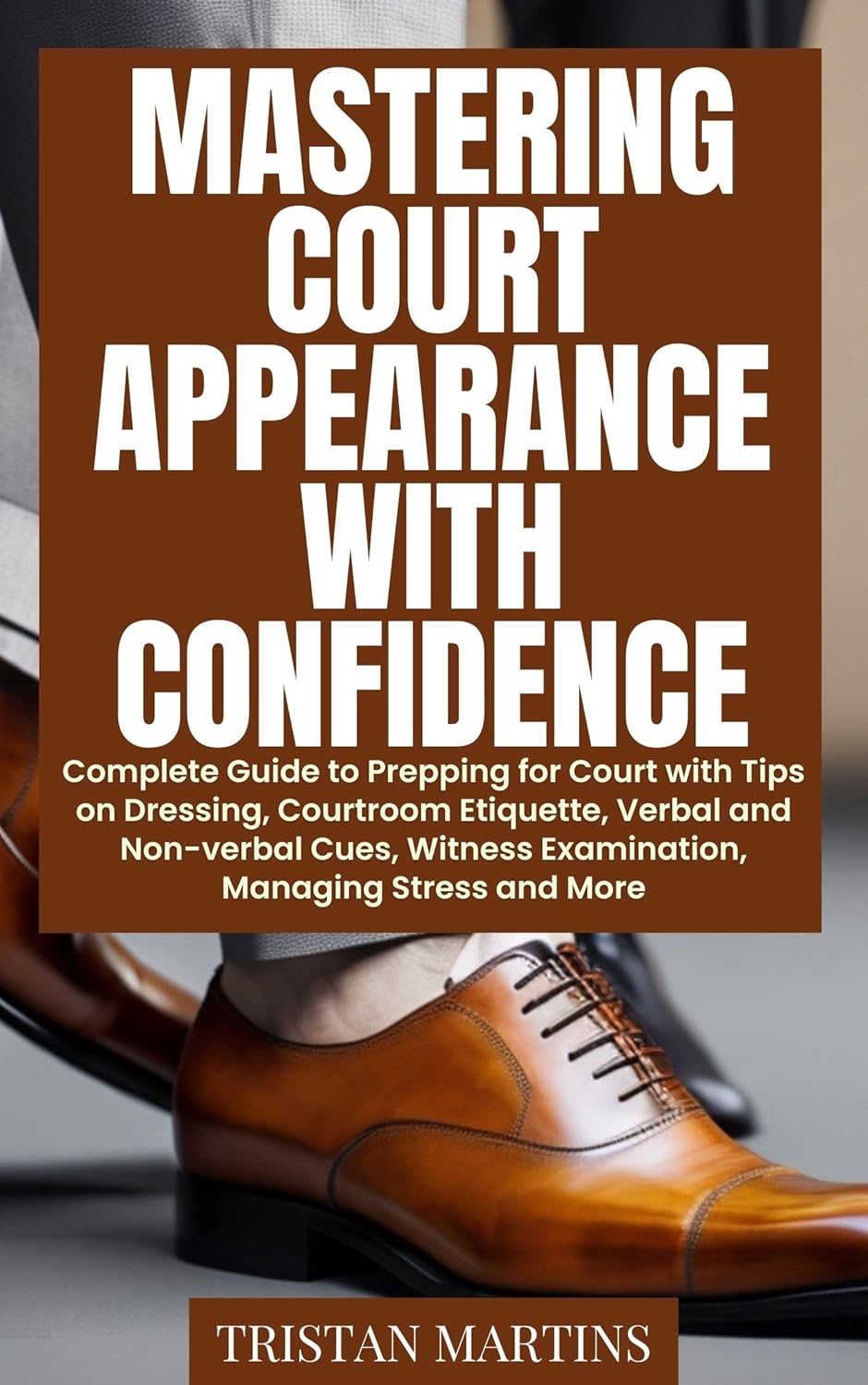
 Grooming is the unsung hero of courtroom attire. A sharp suit won’t save you if your hair is unkempt or your shoes are scuffed. Pay attention to the details: a clean shave, neatly trimmed nails, and polished shoes all contribute to an image of meticulousness. Even your posture plays a role—standing tall with your shoulders back conveys confidence and control. But here’s a challenge: next time you’re getting ready for court, ask yourself, “Does this look like I put in effort, or does it look like I threw something on?” The difference might be the edge you need. Remember, in a setting where every detail is scrutinized, grooming isn’t vanity—it’s strategy.