

Have you ever scrolled through social media and seen someone embrace a hair style that holds deep cultural significance for another group? Or perhaps you’ve noticed debates erupting, questioning whether certain looks are being used respectfully or merely appropriated? These conversations might feel messy or even confusing at times, but they are part of a larger, crucial discussion happening everywhere: the complex intersection of hair, identity, respect, and cultural appropriation. While the term often sparks strong reactions, perhaps approaching it with curiosity and a genuine desire to understand can shift the perspective and help build bridges, rather than just fuel arguments. This exploration into “Cultural Appropriation in Hair: The Conversation We Need to Have” aims to peel back some of the layers, initiating thoughtful dialogue and mutual respect that acknowledges the rich history and cultural value behind every strand.
Origins and Evolving Interpretations
 This image depicts an intricate braid pattern, often deeply significant in many African cultures, used as more than just a decorative element but frequently as a symbol of identity. Originating from specific tribal traditions, braiding often carried profound meaning tied to lineage, status, ceremonies, and cultural heritage. Examining its roots reminds us that many modern hairstyles and hair art forms began in communities with ancient histories and specific contexts, far removed from the Western beauty standards they are sometimes divorced from today.
Roots Beyond Simple Names
 The term “Dutch braid” gained widespread recognition relatively recently, often misnamed or its origins overlooked. While often admired for its intricate weaving technique, delving into where specific braiding styles originated highlights the importance of context. Unpacking misconceptions and giving credit where historical and cultural roots lie is essential. It’s a conversation about distinguishing admiration of a technique from lifting up the entire cultural tapestry from which that technique emerged, moving beyond catchy names to respect the full meaning behind the practice.
Cultural Appropriation Accusations Amidst Everyday Interactions
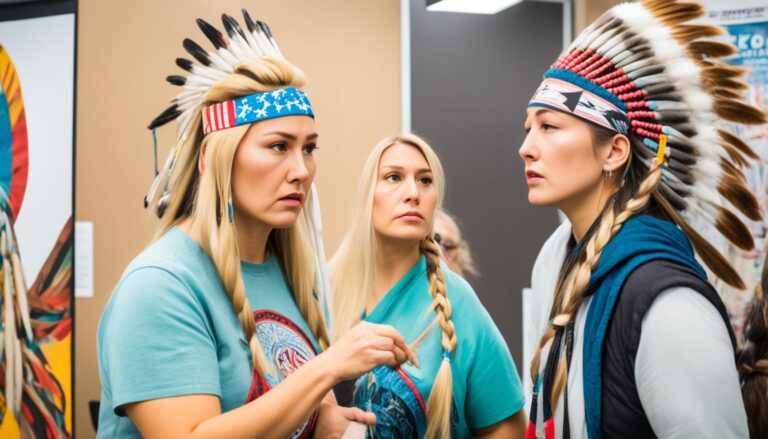
 When discussing cultural appropriation, everyday encounters often serve as catalysts for debate. This example highlights how even seemingly neutral public interactions can become charged with accusations. A situation where hair choices spark discussion underscores how deeply rooted these styles can be and how easily misunderstandings or breaches of cultural context can occur. These scenarios are vital touchpoints because they reflect the real-world consequences of misinterpreting or misusing cultural elements, forcing us to confront our shared understanding and ethical considerations when engaging with others’ cultural heritage in public forums.
Exploring the Debate Around Popular Performances
 High-profile individuals often find themselves central to these complex discussions. Whether addressing hair wigs or extensions in a public forum like an interview or concert performance, celebrities can influence widespread trends. Examining how the conversation unfolds in these contexts reveals a great deal about societal pressures, commercialization, and the difficulty of balancing artistic expression with respectful engagement. These instances force a reckoning, pushing the boundaries of public discourse beyond niche online arguments and demanding accountability for how cultural elements are stylized, marketed, and celebrated or critiqued on a massive scale.
Re-evaluating Common Hair Techniques in Media Contexts
 The way hair is depicted or commented on in media can significantly impact public perception. Reader complaints about “crimping cultural appropriation” associated with public figures, sometimes featured in media outlets, demonstrate the charged nature of hair choices in contemporary society. This intersection between hairstyle, media portrayal, and public response complicates discussions further. Understanding these dynamics requires acknowledging not just the visual representation in prints, but also the language used by journalists and the overall cultural narrative woven around celebrity appearances and choices, which can trivialize or inadvertently disrespect the origins and meaning of specific hair styles.
Navigating “Cultural Appropriation in Hair” requires open dialogue, genuine curiosity, and a willingness to learn from different backgrounds. It’s about understanding the context, respecting the history, and recognizing when something is more than just a ‘pretty style’ – it’s often a vital expression of identity. By fostering a more nuanced conversation, we move beyond surface-level judgments towards a deeper appreciation of diversity in human expression. This is not about policing individual choices, but about ensuring that respect for cultural origins informs our own interpretations and the ways we engage with the hair traditions of others.