

The Deep Roots and Shallow Copies: Hair as a Canvas for Cultural Dialogue
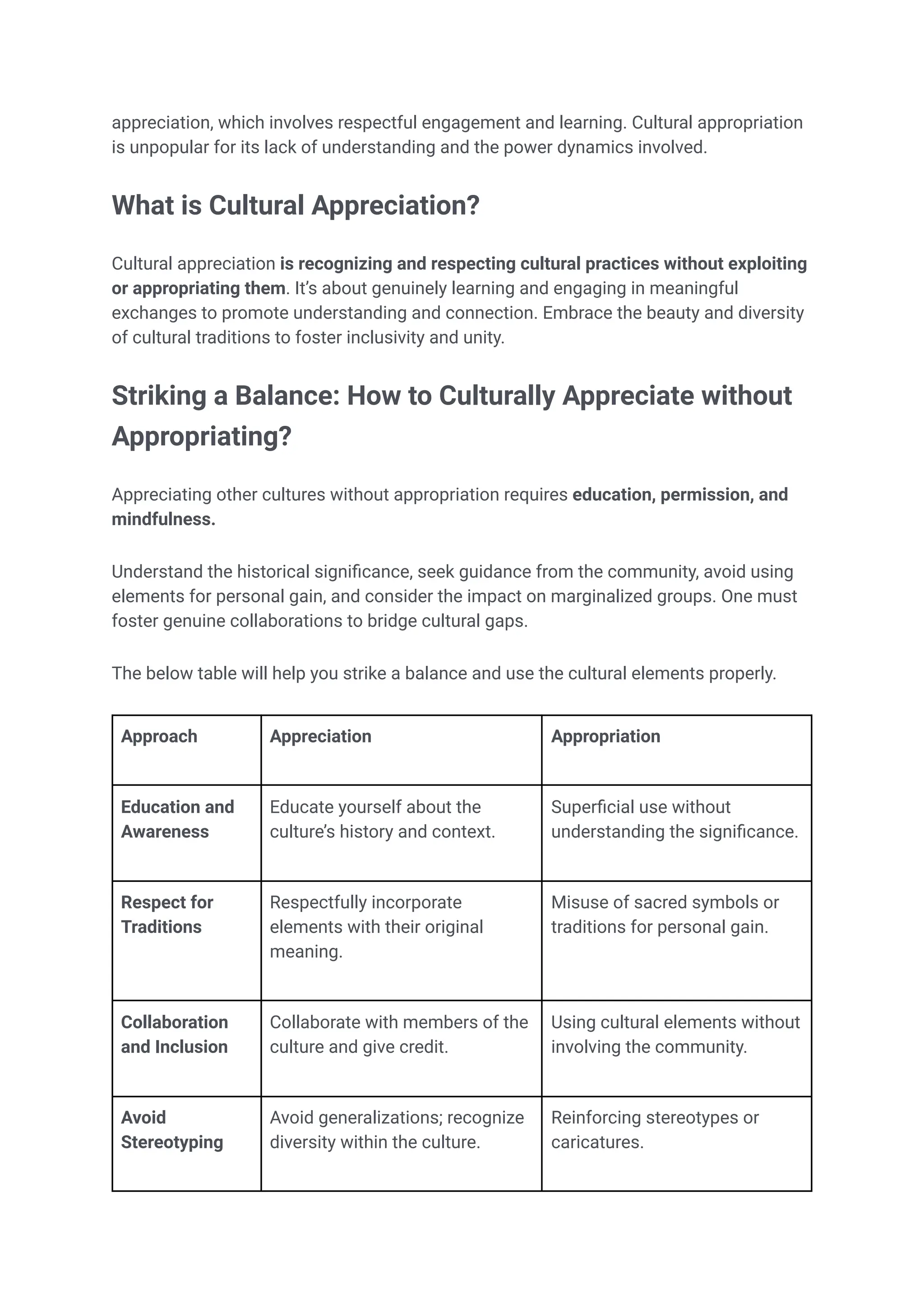
Let’s talk about hair. A complex, personal, and deeply cultural aspect of identity. From braids and twists to dreadlocks and locs, hair styles are not just about aesthetics; they are often woven into the very fabric of history, spirituality, and social expression for countless communities around the world. Seeing a style you love, connecting with the history behind it, and wanting to incorporate it into your own identity – this sounds like a natural, enriching exchange, right? Yet, for too many marginalized communities, the act of adopting elements of their cultural hair traditions without understanding or respect often crosses a line, becoming appropriation instead of appreciation. This complex dance between inspiration, imitation, and misrepresentation is something we need to unpack. It’s a conversation far removed from simple beauty pageants; it delves into issues of power, respect, and historical context. As we explore the world of hair, from the intricate cornrows of West Africa to the sacred dreadlocks of Rastafarianism, we must constantly ask ourselves: What is the story being told? Who benefits from its telling? Who is being left out, misrepresented, or harmed? Our journey begins by recognizing hair not just as a physical attribute, but as a carrier of cultural narratives. Styles aren’t arbitrary; they often have specific meanings, histories, and significance tied to them. When these meanings and histories are honored and respected in dialogue and adoption, we can talk about cultural exchange and appreciation. However, when they are trivialized, extracted without context, or worn without understanding – especially by individuals outside the cultural community – the impact is often detrimental and deeply felt by those whose heritage forms the foundation of these styles. It requires us all, as consumers, creators, and wearers, to move beyond surface-level admiration and enter a space of genuine inquiry and respect.
 Understanding the Line: What Distinguishes Appreciation from Appropriation?

Defining the difference between appreciation and appropriation is crucial. Both involve engaging with another culture’s art, dress, or customs, but the intent, context, and outcome can be vastly different. Appreciation ideally involves a deep dive into the cultural context. It’s about learning *why* a style or practice exists, the historical events that shaped it, and its significance within the culture. It’s about engaging respectfully, often through collaboration or acknowledging the origins. When non-members adopt elements, they do so understanding the weight that carries and often amplify or reinterpret the cultural symbol in dialogue, perhaps even creating new blends or tributes with respect. Appropriation, conversely, often operates on the principle of “taking” without context, permission, or understanding. It frequently bypasses historical and cultural significance, treating another culture’s expressions as exotic novelties or trendy aesthetic additions. For example, adopting a specific, culturally significant hairstyle might be driven purely by its current fashionability, with little thought given to its deeper meaning or the cultural group that originated it. This casual, surface-level engagement when connected to culturally specific hair traditions – whether framing a cultural story without credit, adopting sacred practices without comprehension, or simply mimicking without awareness – can invalidate the experiences of others. True appreciation requires humility, research, and a willingness to listen. It necessitates questioning trends that emerge primarily from one cultural group being admired or replicated by another, especially when the origin culture faces marginalization itself. It invites dialogue and encourages consumers to ask: Does this style simply look cool, or does it carry historical weight? Am I respecting its origin, or is it exploiting it for aesthetic gain? These questions aren’t about policing fashion choices, but about fostering a culture of mindful consumption and genuine respect for the rich tapestry of human expression.
 Unpacking Specific Hair Traditions: More Than Just Braids, Twists, and Locs

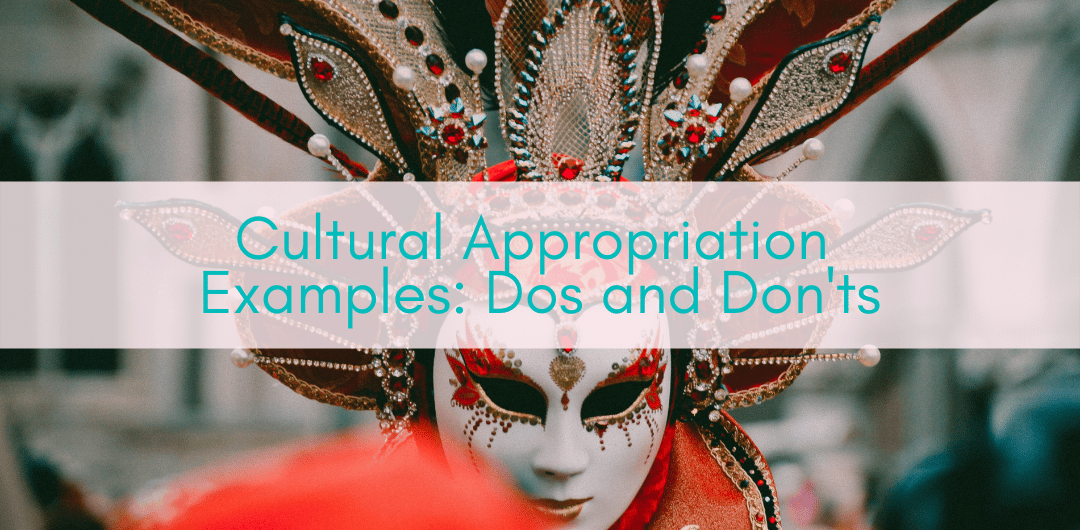
Cultural hair practices span the globe, each carrying unique histories that inform their meaning. Understanding a few key examples helps illuminate the nuances of appropriation: The intricate cornrow braids found in African hair traditions, particularly among West African cultures, are believed to have roots in ancient practices used historically for spiritual protection, communication (especially within Dahomey culture), social status, and even storytelling. When these complex braiding techniques are adopted by non-West Africans or recreated as simplified, often Instagram-famous styles without acknowledging their deeper significance or the skill involved, it represents a form of appropriation. It reduces a potentially sacred or historically potent practice to a trendy aesthetic statement. Similarly, dreadlocks worn by Rastafarians are deeply tied to religious belief, identity, and the spiritual journey towards self-emasculation (a concept of becoming one’s true self). The decision to grow dreadlocks carries significant cultural weight beyond mere fashion. Wearing them casually, especially outside their sacred context or detached from their religious meaning, can be reductive and disrespectful to the beliefs and practices that forged this hairstyle into a powerful symbol. Even seemingly positive examples like “Afro” hairstyles highlight the complex nature of hair appreciation versus appropriation. While celebrating natural hair textures within the African diaspora is empowering and a direct response to historical Eurocentric standards of hair care, it can sometimes overlap with appropriation in different ways – like adopting specific natural textures or styles alongside the dominant narrative framing, or when dominant groups appropriate Black hair (like box braids or twists) purely for aesthetic gain or commercial endorsement, often without acknowledging the systemic history behind the styles they adopt, reinforcing racial hierarchies in subtle ways. Each style, whether braids, dreadlocks, cornrows, locs, hijab styling, or even the way long hair is adorned, carries within it a story. Approaching these stories with curiosity, respect, and a commitment to learning the origins and significance allows for more meaningful engagement. It transforms admiration from a superficial glance to a genuine appreciation, rooted in historical context and cultural understanding.
 Wearing the Weight: The Personal and Community Impact
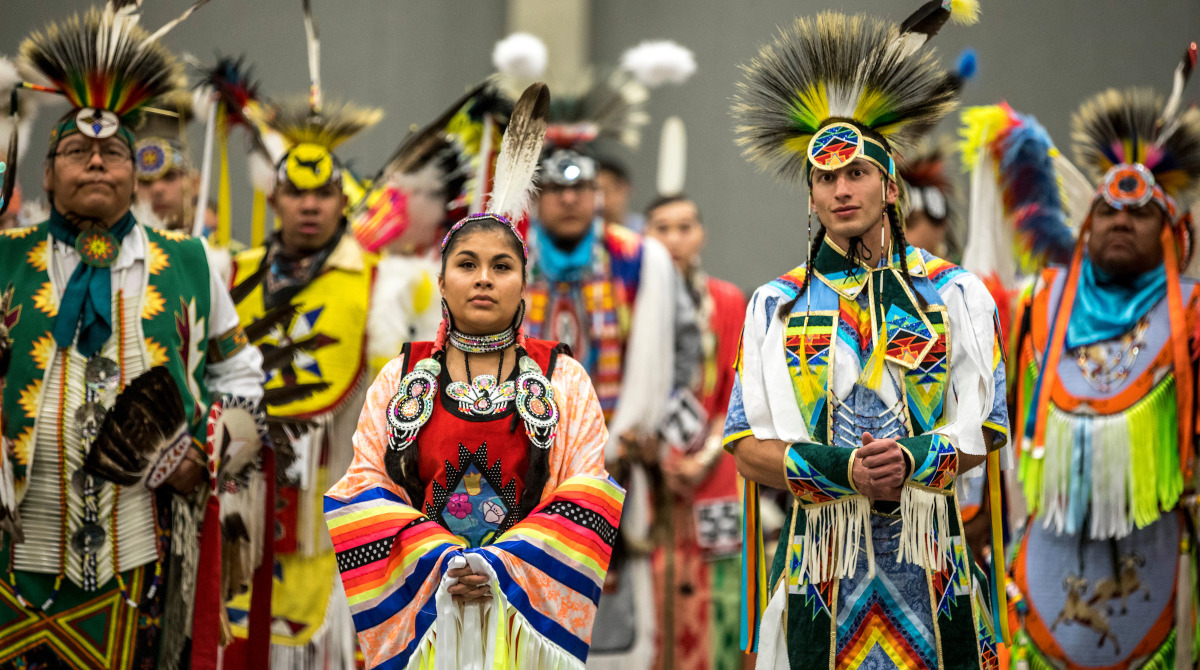
The effects of cultural appropriation in hair can reach deeply into the personal and collective psyche of marginalized groups. Seeing one’s cultural heritage diluted, misused, or commodified by others feels disrespectful and can be disheartening. Hair styles that hold deep cultural and historical significance become trivialized objects of trendiness, which can feel like a loss of cultural pride for the originating community. The essence is diluted, shifting from symbolic representation to mere aesthetic. Furthermore, there are practical and health-related concerns. Styles traditionally maintained using specific techniques, products, or tools (like certain braiding techniques or natural methods for dreadlocks) might be adapted by outsiders who lack the knowledge required to replicate them healthily. This can lead to hair damage or loss, stripping away the skill and care traditionally associated with these practices. It’s not just about aesthetics; it’s about agency and ownership. Cultural hair practices represent knowledge passed down through generations. When they are taken without acknowledgment or context, it denies the communities their right to control their cultural expressions. It perpetuates stereotypes and misrepresentation, where outsiders, often privileged or mainstream groups, get to interpret and display elements of minority culture while often ignoring or dismissing the lived experiences of those within that culture. The most profound impact, however, is the erosion of mutual respect. Cultural exchange built on trust, dialogue, and genuine interest can empower and enrich. Without this ethical foundation, the exchange becomes appropriation, rooted in superficiality and ignorance – a cycle that reinforces power imbalances and marginalization where it already exists. Moving away from appropriation towards respectful dialogue is essential for cross-cultural understanding.
 Moving Forward: Respect, Education, and Conscious Consumption

The path forward lies not in policing expressions but in fostering education and conscious dialogue about how we approach other cultures’ contributions to our world today. It requires us to: * **Educate Themselves:** Before embracing elements from another culture, understanding their history and significance is paramount. Research the origin, meaning, and cultural context. * **Check Their Egos:** Is the desire to wear or use the style genuine, or is it primarily driven by its aesthetic appeal or trendiness? Is there an intention to honor the culture, or to enhance personal image sometimes inappropriately? * **Acknowledge the Origin:** When sharing a style inspired by another culture, does credit get given? Does the story told include the community whose heritage it draws upon? Amplifying marginalized voices where relevant is crucial. * **Listen to Critics:** If members of the originating community express discomfort or call something appropriation, it warrants serious consideration. Centering their voices over personal style choices is a vital step towards respect. Respecting cultural boundaries isn’t about stopping creativity or self-expression. Instead, it’s about building upon existing wisdom with awareness and gratitude, ensuring that the stories and symbols we engage with are treated with the depth and respect they deserve, transforming fleeting trends into meaningful appreciation for the richness of human heritage preserved and expressed through hair.