
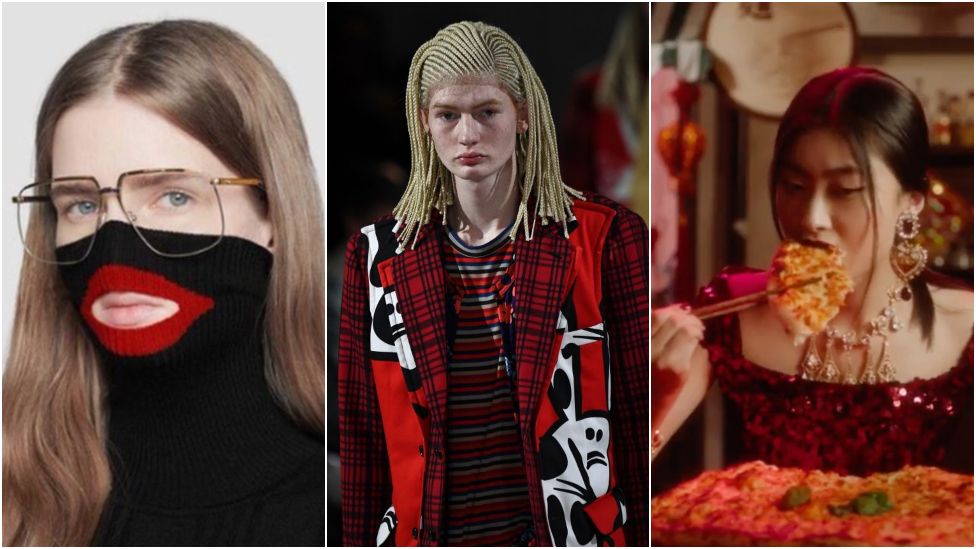
Is there a line between admiration and appropriation when it comes to hairstyles? As trends rip through the fashion industry, hair has become a minefield of cultural ownership, authenticity, and imitation. What’s cool? What’s borrowed? And who gets credited? This post dives into some of the most controversial examples, asking if we’re playing fair in the wig department.
K-Pop Appropriation: Do They Do It Right?
 Controversies often arise in the music industry, and the world of K-pop is no exception. This source suggests there’s a conversation about how these artists incorporate diverse cultural elements, sometimes drawing scrutiny over styles that echo those traditionally worn by other communities, especially when the connection isn’t clearly recognized or credited. Specific examples in the article link certain looks and stage performances to broader cultural references.
This Korean YouTuber Just Educated Herself And Her Audience On Cultural Appropriation In Hair
 Understanding the roots and significance behind various hairstyles is key to navigating appropriation debates. This resource positions itself as a guide. The YouTuber details her own learning journey about cultural complexities, especially when hair styles, often rich with history and personal meaning, are adopted or worn differently, potentially diluting their original significance or failing to acknowledge the cultural source.
Lana Del Rey’s Most Controversial Moments: Hairstyles Included?

Is Hair Crimping, Dreads in Twists, or Box Braids Taking Black Culture Uncredited?
 Caucasian individuals sporting locs, afros, cornrows, or dreads has become increasingly common, often sparking discussion. This image, likely representative of the content available online, speaks to the visual reality of this phenomenon, raising viewers’ awareness. Such imagery is central to debates about whether these traditionally Black hairstyles are being adopted respectfully or if their rich context, history, and cultural meaning is being forgotten in the process.