

 Curly hair is defined by its lack of a straight lying pattern. It has natural bends and curves, often resulting in unique textures and individual strands that stand out from the skin. The structure of curly hair differs significantly from straight hair – each strand tends to have a rounder, tighter cross-section, which affects how it absorbs products and maintains shape.
One of the biggest perceived pros of curly hair is its versatility. From beachy waves to tight ringlets, kinky coils, or gentle spirals, the same hair can create an array of stunning styles. The unique texture often bounces back beautifully, maintaining volume and shape throughout the day. Curly hair is also well-suited for braiding techniques that create intricate temporary styles, a feat that can take much longer to achieve with straight hair alone. Furthermore, some find curly hair more resistant to high-heat styling and dryness compared to straight hair, though this varies greatly by curl type and moisture levels.
But Curly Hair Presents Its Own Hurdles
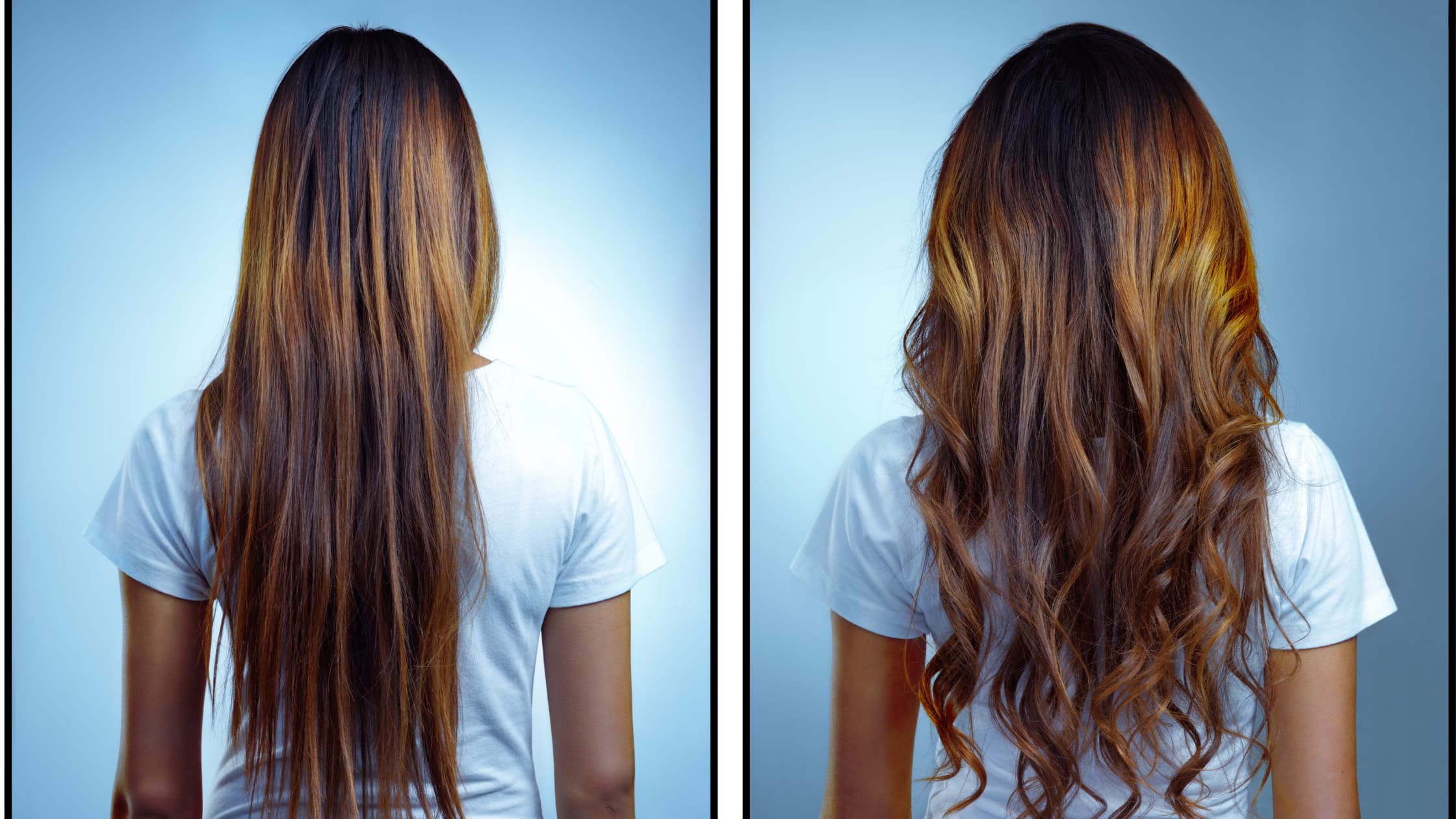 Despite its natural charm, curly hair requires dedicated care and attention. Achieving and maintaining that signature curl definition can be a daily battle against frizz, humidity, and product buildup. Product can sometimes weigh down delicate curls or feel greasy, leaving the hair looking oily quickly. Finding the right products (and not using the wrong ones) is crucial, often requiring more trial and error than with straight hair products. Curl time – the time it takes for hair to dry, set, or rebraid – can be significant, occasionally cutting into your morning routine. Even with the best products and techniques, achieving that salon-groomed look requires skill, which many don’t possess naturally.
Embracing curly hair often means navigating a different world of beauty and product recommendations. There tends to be a vast array of specific products designed for different curl types, from defining creams and gels to leave-in conditioners and curl-enhancing oils. While this abundance is a positive for many, it can sometimes feel overwhelming or confusing for those new to the journey. Managing the unique way curly hair interacts with water and heat is another learning curve, requiring a good understanding of proper hydration and gentle handling to preserve definition and health.
The Case for Straight Hair: The Power of Simplicity
 Often considered the epitome of sleekness and manageability, straight hair is defined by strands that rest flat against the head and lie in one direction. This uniformity offers distinct advantages, particularly in terms of maintenance and styling speed. A quick blow-dry can deliver a smooth, polished look that might take much longer to achieve with more textured hair. The ability to lay flat against the scalp makes it excellent for keeping the skin cool and dry, especially during warmer months.
Straight hair generally absorbs oil much slower than most curly types because it lacks the grooves and valleys that can trap sebum, the scalp’s natural oil. This can mean your hair remains looking fresh and less greasy for longer periods. Achieving a completely sleek, straight finish is usually easier, making styles like a sharp bob or a chin-length cut appear more streamlined quickly. The uniformity also makes it simpler to select clothing and headwear without worrying about unpredictable hair behaviour or bulkiness. The learning curve for basic styling (like brushing or using a flat iron) is generally gentler, making it feel more forgiving to many who previously struggled with high-maintenance textures.
However, Straight Hair Has Drawbacks
 Unfortunately, the dream of effortlessly perfect straight hair often comes with its own set of cons. Perhaps the most significant challenge is the lack of natural volume. Straight hair, especially finer varieties, tends to lie flat and can sometimes appear less full-bodied or thicker than curly or wavy hair. It’s more susceptible to becoming weighed down by improper products, humidity, or even heavy bangs that can obscure vision. Frizz is a constant enemy; straight hair is prone to looking unruly when exposed to humidity, static electricity, or rough brushing.
In addition, straight hair can dry out faster than other textures, particularly if it’s coarse or porous, leading to increased need for moisturizing treatments. Curly hair often benefits from curl-defining products that also provide hydration, but those benefits aren’t always desirable in straight hair, where smoothness and light reflection might be more important. Furthermore, achieving permanent changes to the texture, like keratin treatments, while common, requires frequent touch-ups (often every few months) because the bonds in straight hair aren’t naturally designed for curling.
The best hair type isn’t necessarily the “best” hair type; it’s the hair type you feel confident embracing, whatever its defining characteristics might be. Understanding your hair’s unique needs, committing to proper care and styling, regardless of texture, is the key to unlocking its full potential. Both curly and straight hair types have much to admire, and with the right knowledge and tools, anyone can learn to love their hair with all its distinctiveness, in all its natural glory.