
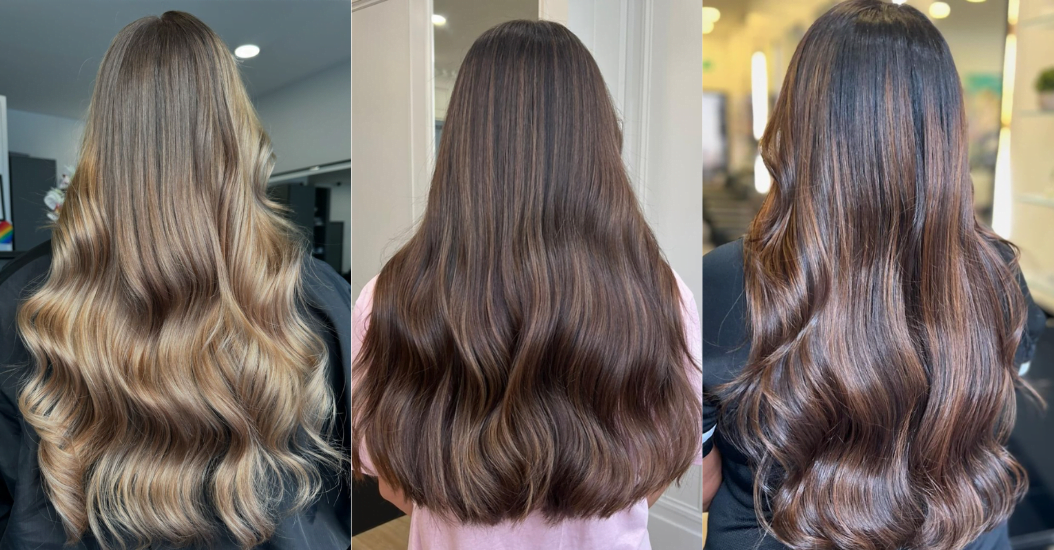
Have you ever heard the old saying that cutting your hair makes it grow faster? It’s a belief that’s been passed down through generations, whispered in salons, and debated online. The idea seems almost magical—like a quick trim could somehow supercharge your hair’s growth. But is there any truth to it? The short answer is no. Hair growth happens from the roots, not the ends, and trimming doesn’t speed up the process. So why does this myth persist? Let’s explore the science behind hair growth and why this persistent belief might be more about human fascination than actual biology.
Does Cutting Hair Really Make It Grow Faster?
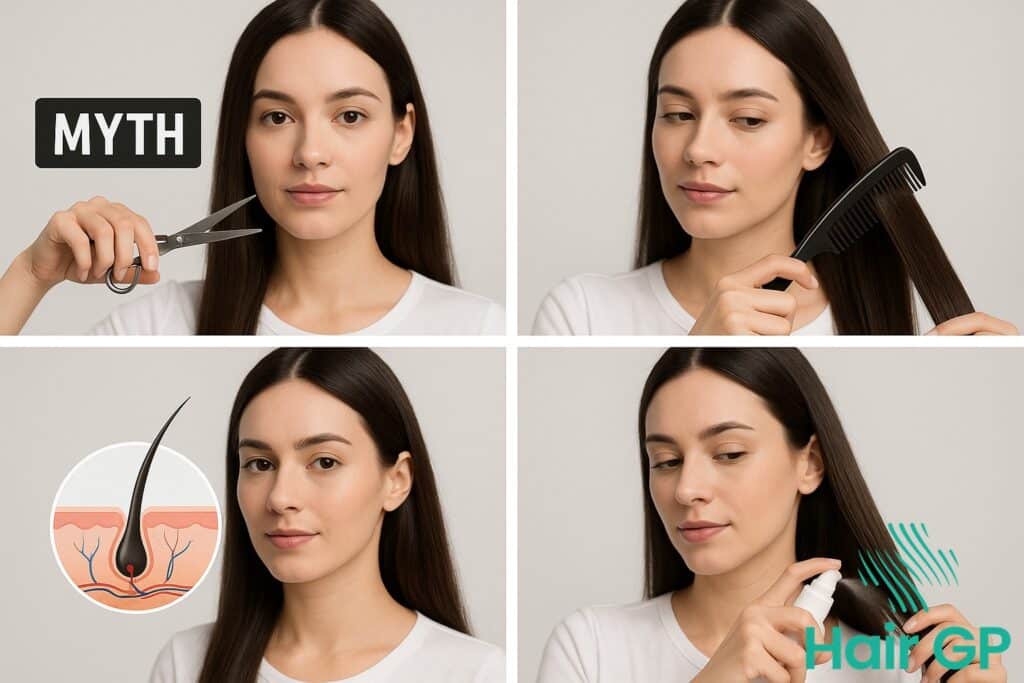 At first glance, the idea that cutting hair makes it grow faster seems plausible. After all, if you trim split ends, your hair might look healthier and feel less brittle. But growth happens at the scalp, where hair follicles are constantly producing new cells. The ends of your hair are simply the oldest part—they don’t influence how fast new strands emerge. Trimming removes damaged sections, which can improve the appearance of your hair, but it doesn’t change the rate at which your hair grows. The confusion likely stems from the fact that trimmed hair often looks fuller and more vibrant, making it seem like it’s growing faster when, in reality, it’s just healthier.
The Science of Hair Growth: What Really Matters
 To understand why trimming doesn’t affect growth speed, it’s important to look at how hair actually grows. Each strand is made up of a protein called keratin, produced in the hair follicle. These follicles go through cycles of growth (anagen), transition (catagen), and rest (telogen). The anagen phase, where active growth occurs, can last anywhere from two to seven years, depending on genetics and overall health. The length of this phase determines how long your hair can grow before it sheds and is replaced. Trimming the ends doesn’t extend this phase or make new hair grow faster—it just removes the oldest, most damaged part of the strand. Factors like diet, genetics, and overall health have a much bigger impact on growth than a simple trim.
Why Do People Still Believe Trimming Speeds Up Growth?
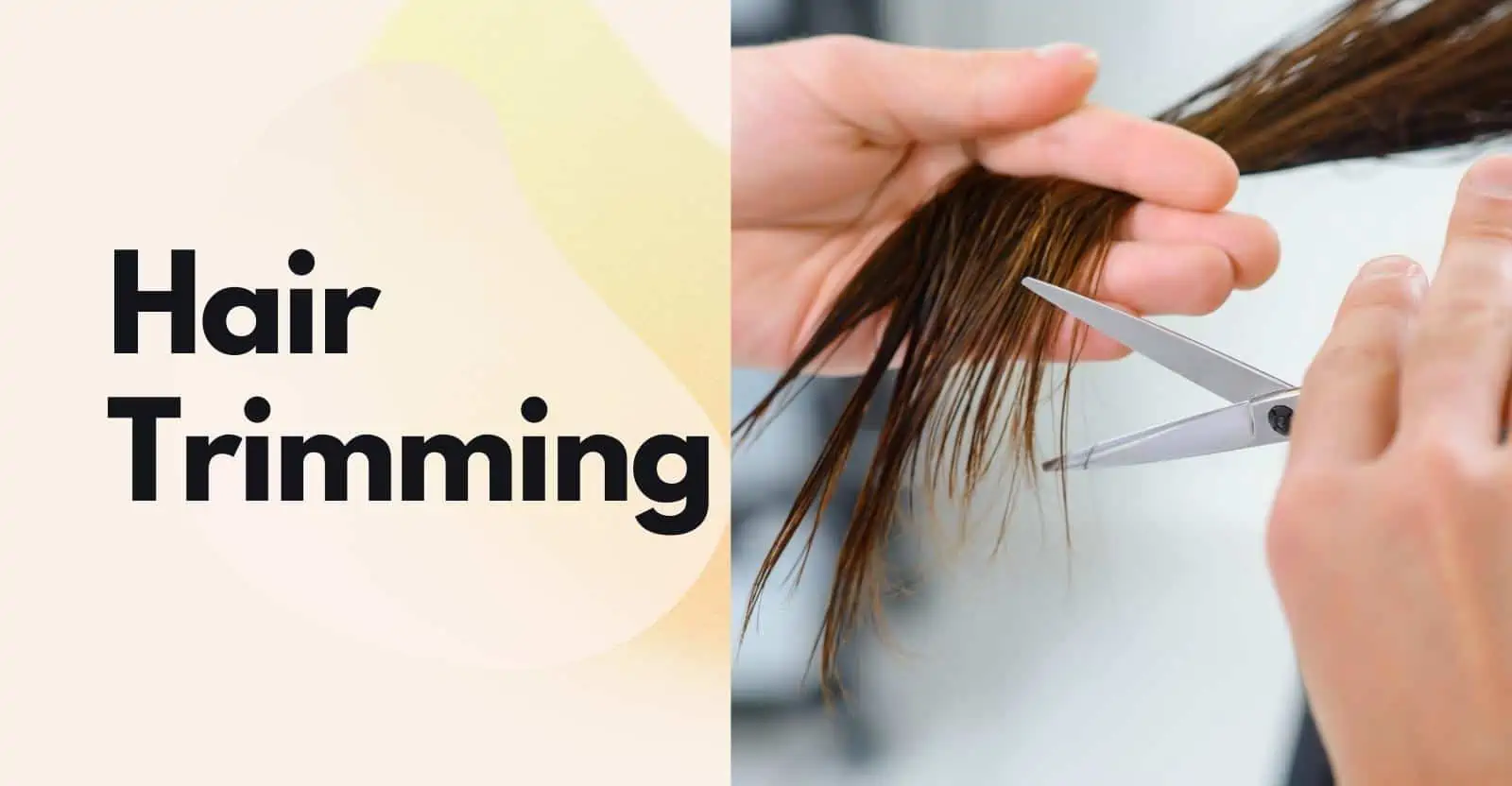 The persistence of this myth likely comes from a mix of psychological and practical reasons. When you trim split ends, your hair feels lighter and looks shinier, which can create the illusion of faster growth. Additionally, people often notice their hair seems to grow quicker after a trim because they’re paying more attention to its condition. There’s also a placebo effect—if you believe a trim will help, you might subconsciously take better care of your hair, leading to improved appearance. Over time, this belief gets reinforced, even though the science doesn’t support it. It’s a reminder of how easily misinformation can spread, especially when it aligns with something people desperately want to be true.
The Real Benefits of Regular Trims
 While trimming doesn’t make hair grow faster, it still plays a crucial role in maintaining healthy hair. Regular trims help prevent split ends from traveling up the hair shaft, which can lead to breakage and frizz. They also shape your hairstyle, keeping it looking fresh and well-maintained. Think of trimming as maintenance rather than a growth accelerator. By removing damaged ends, you’re preserving the length you’ve worked so hard to grow. It’s a small but important step in a hair care routine, even if it doesn’t live up to the myth of speeding up growth. The key takeaway? Focus on nourishing your hair from the inside out—through a balanced diet, proper hydration, and gentle care—rather than relying on trims to do the heavy lifting.
Breaking Free from the Myth
 It’s time to let go of the idea that cutting your hair will make it grow faster. The next time someone suggests a trim for growth, you can confidently explain that hair growth is determined by factors like genetics, health, and lifestyle—not the scissors. Instead of chasing quick fixes, embrace a holistic approach to hair care. Eat foods rich in vitamins and minerals, stay hydrated, and protect your hair from heat and environmental damage. And yes, keep getting those regular trims—but for the right reasons. After all, healthy hair isn’t just about length; it’s about strength, shine, and resilience. By understanding the truth behind the myth, you can focus on what really matters: nurturing your hair from root to tip.