
Have you ever been told that frequent hair trims are the secret to stopping hair loss? It’s a common belief—one that’s been passed down like a well-worn haircare myth. But what if we told you that trimming your hair has little to no impact on slowing down hair loss? The truth might surprise you. While regular trims keep your ends healthy and prevent split ends, they don’t address the root causes of hair thinning or loss. Let’s dive into why this misconception persists and what actually works to keep your locks lush and strong.
Why Frequent Trims Won’t Stop Hair Loss
 Hair loss is primarily driven by factors like genetics, hormonal imbalances, stress, nutritional deficiencies, or medical conditions—not by the length of your hair. Trimming your ends every few weeks might give the illusion of healthier hair by removing damage, but it doesn’t stimulate new growth or prevent follicles from weakening. Think of it this way: cutting your hair is like pruning a plant—it keeps the ends tidy, but it doesn’t make the roots grow faster or stronger. If your goal is to reduce shedding or thinning, focusing solely on trims is like trying to fix a leaky roof by painting the walls.
The Real Role of Trims in Hair Health
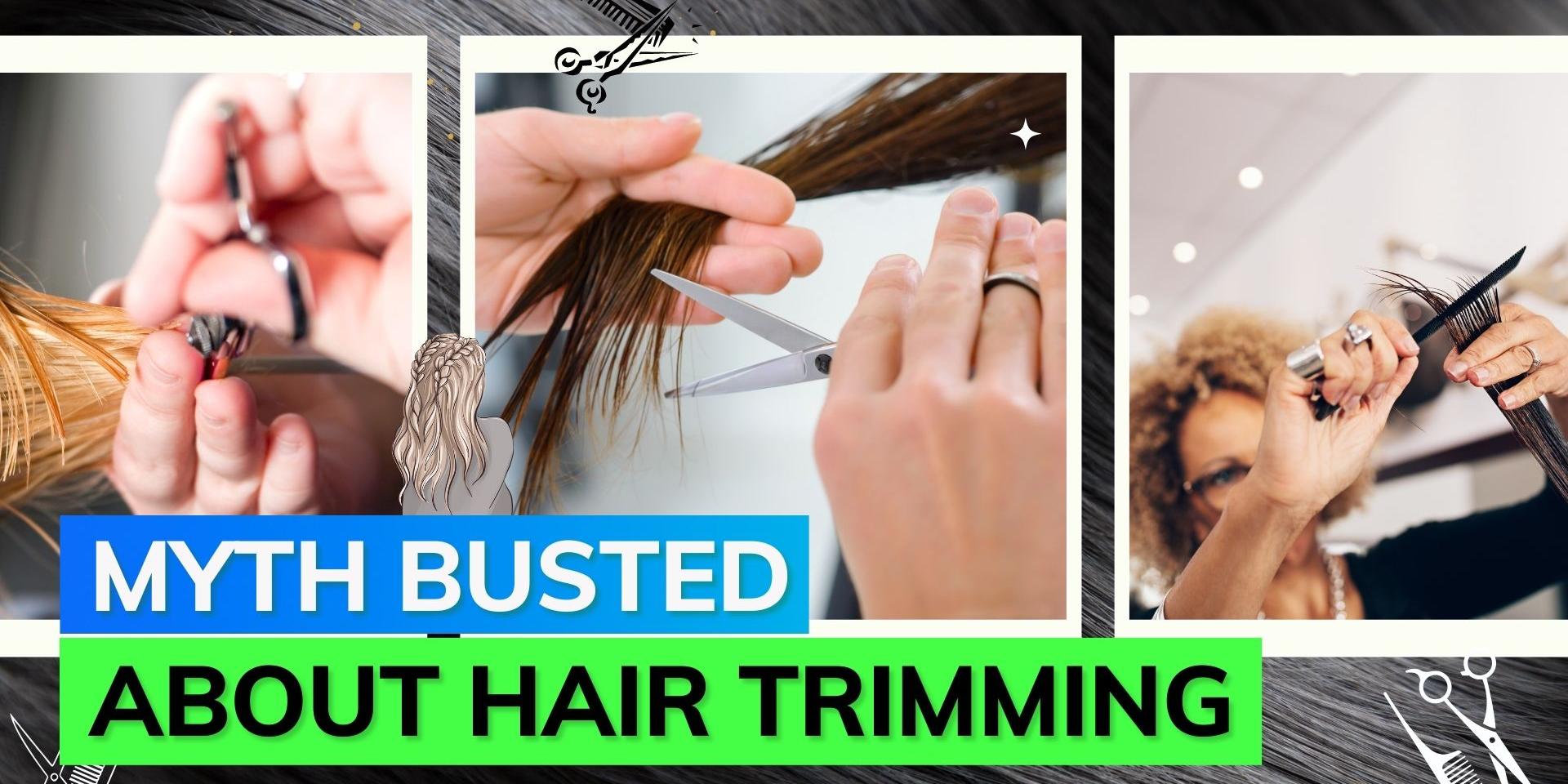 While trims don’t prevent hair loss, they play a crucial role in maintaining the appearance and integrity of your hair. Split ends, for example, can travel up the hair shaft, causing breakage and making hair look dull and lifeless. Regular trims (every 8–12 weeks) snip off these damaged ends, preserving your hair’s overall health and preventing further deterioration. However, this is more about damage control than growth stimulation. If you’re dealing with hair loss, trims won’t address the underlying issue—whether it’s stress-induced shedding, thyroid dysfunction, or nutritional gaps—but they can help keep the hair you do have in better condition.
What Actually Helps Prevent Hair Loss?
 If you’re serious about combating hair loss, the solution lies in addressing its root causes. Start by evaluating your diet—are you getting enough protein, iron, zinc, and vitamins like B12 and D? Nutritional deficiencies are a leading culprit behind thinning hair. Next, consider your stress levels; chronic stress can push hair follicles into a resting phase, leading to noticeable shedding. Hormonal imbalances, particularly in thyroid or androgen levels, also play a significant role and may require medical intervention. Additionally, over-styling with heat tools, tight hairstyles, or harsh chemicals can weaken hair and contribute to breakage. Instead of relying on trims alone, focus on a holistic approach: nourish your body, manage stress, and protect your hair from unnecessary damage.
Myths vs. Facts: Separating Haircare Truths from Tall Tales
 One of the biggest myths in haircare is the idea that frequent trims make hair grow faster. In reality, hair grows at a fixed rate (about half an inch per month) regardless of how often you cut it. Trims don’t speed up this process—they simply maintain the health of the hair you already have. Another persistent myth is that shampooing causes hair loss. While harsh shampoos can strip moisture and lead to breakage, they don’t affect the follicles where hair loss originates. Similarly, brushing your hair 100 times a day won’t stimulate growth—it’ll just cause friction and damage. The key is to debunk these myths and replace them with science-backed practices that actually work.
Your Haircare Routine: What to Do Instead of Over-Trimming
 So, if trims aren’t the answer to hair loss, what should you prioritize in your haircare routine? First, invest in a gentle, sulfate-free shampoo and a moisturizing conditioner to keep your scalp and strands healthy. Incorporate scalp massages to boost circulation, which can encourage healthier follicles. If you’re experiencing significant shedding, consider supplements like biotin, collagen, or saw palmetto (after consulting a healthcare provider). Avoid tight hairstyles that pull on the roots, and limit heat styling to prevent further damage. Lastly, be patient—hair growth is a slow process, and results take time. Instead of chasing quick fixes like frequent trims, focus on long-term habits that support your hair from the inside out.