
![Does [Product Name] Really Work? A 30-Day Review](https://engagedly.com/wp-content/uploads/2024/04/30-Day-Performance-Review-Template.jpg)
Does a 30-day employee review really work? It sounds intensive, focused, and potentially powerful. The premise suggests a concentrated period to gauge new hires, to assess their fit, their readiness, and their immediate value to the organization. In modern workplaces, talent acquisition and onboarding are critical. Speed to proficiency, employee engagement from day one, and identifying the right cultural fit quickly are all desirable outcomes. The idea of a dedicated review within the first month paints a picture of proactive management and a commitment to getting things right. But does this concentrated assessment live up to its promise? Or is there something more nuanced about why this specific timeframe might capture attention or, conversely, might have limitations?
The Crucial First Month: Assessing the New Hire’s Foundation
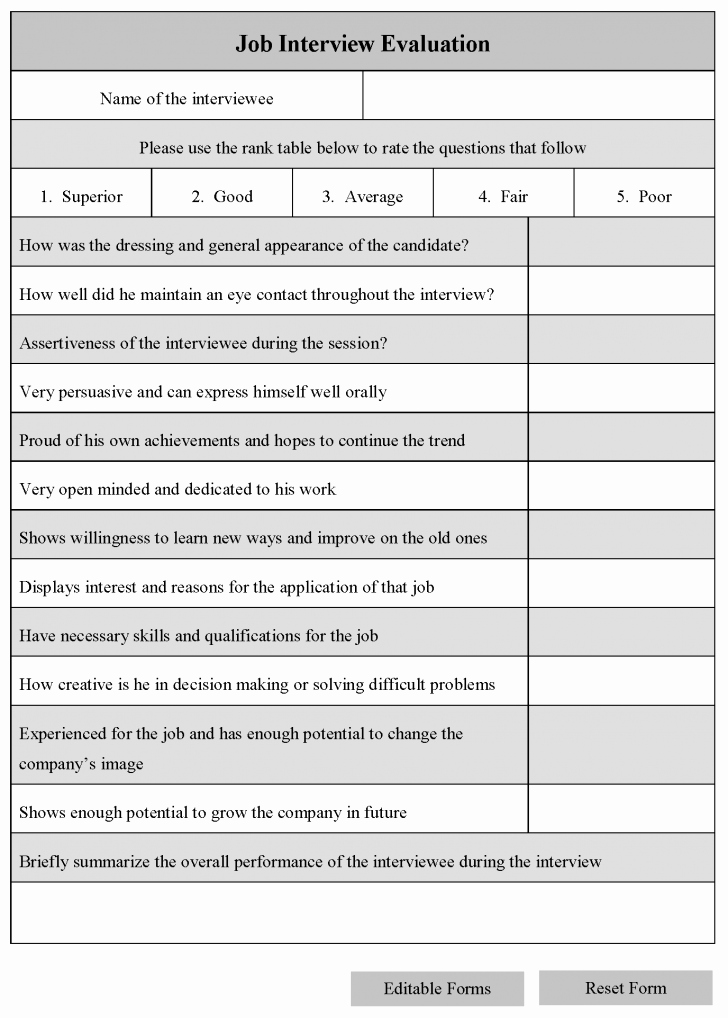 This review focuses on laying the groundwork. The first month is a critical period – a time for acclimatizing to a new role, understanding company culture, and demonstrating foundational skills. This assessment likely evaluates initial performance, the clarity of role definition, goal alignment, and the effectiveness of the onboarding process itself. It’s a foundational check, ensuring the new employee is set up for success and properly integrated into the team.
Beyond the Starting Blocks: A Deeper Dive into Immediate Impact
 (1).webp)While helpful, a 30-day review captures an immediate snapshot. A new hire might not have completed complex projects yet, or their impact might not be fully realized. The review helps understand *how* they learn, how quickly they grasp expectations, and their basic proficiency. It serves as a quick litmus test for potential, ensuring the initial investment in hiring and onboarding yields a promising return, potentially highlighting misalignments early if the fit isn’t correct.
30 Days: AssessTEAM’s Formula for Success?
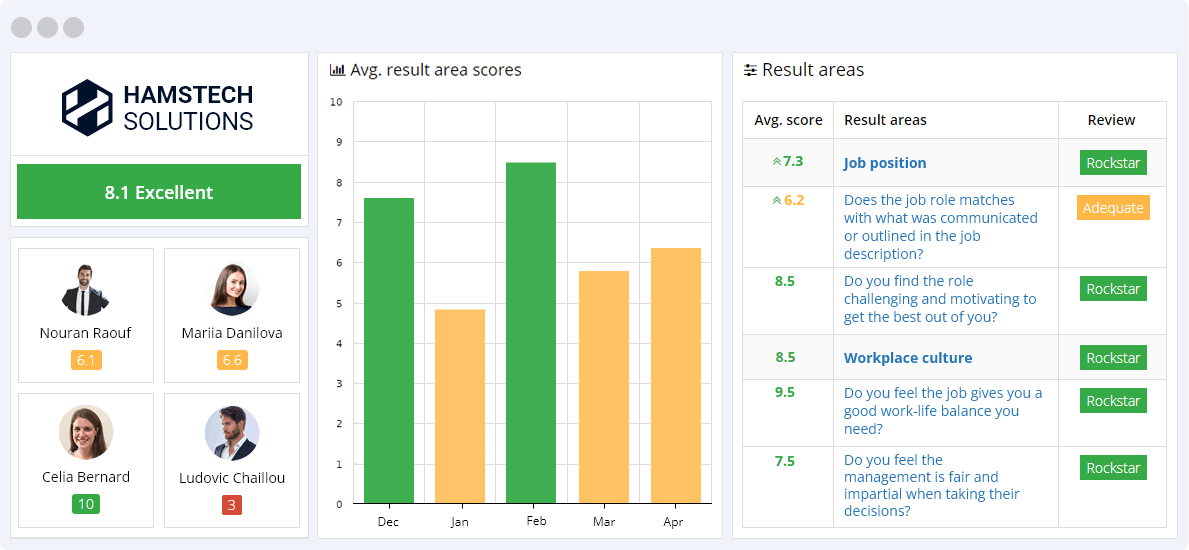 Structured around specific questions relevant to a role, this type of review helps new hires understand what’s expected of them and provides valuable feedback early. It’s a targeted approach, aiming to ensure new hires hit the ground running by mapping their initial performance against predefined success indicators specific to their new position. It’s often framed as an asset to guide early career development within the company structure.
30 Minute Review: Concise Check-in for Vital Signs
 Efficiency is crucial. A brief 30-minute review promises a quick pulse check. Less comprehensive than a longer assessment but more frequent, it’s designed to gauge progress, offer immediate feedback, and ensure the integration into the team feels manageable within the early stages of employment. While not replacing deeper analysis, it might provide quick insights for the manager to check if support or adjustment is needed sooner.
Review & Feedback: The 30 Minute Session Advantage
 Simultaneously focused on performance and feedback, this short session is positioned as a tool for managers to quickly evaluate a new hire’s adaptation and provide targeted support or recognition in a practical timeframe. It aims to offer actionable insights quickly, preventing potential early roadblocks and reinforcing positive momentum from day one.
Whether the 30-day review delivers lasting value is debatable, and a single snapshot only reveals so much. However, there’s a certain fascination, or perhaps a need, for such a concentrated approach. It offers a semblance of structure and measurability during a highly fluid period of integration and adjustment. It attempts to quantify the often subjective experience of onboarding and early performance. As organizations seek more ways to assess talent agility and improve retention from the outset, the focus on the first 30 days using dedicated review processes reflects a desire for faster, more frequent feedback loops – an inherent appeal in its very design.