
Fine hair often feels like a double-edged sword—it’s light, easy to style, and gives that enviable volume at the roots. But when it comes to razor cutting, many people hesitate, fearing that the technique might leave their delicate strands looking even thinner or worse, damaged. The truth is more nuanced than a simple yes or no. Razor cutting can be a game-changer for fine hair, but like any haircutting method, it requires the right approach, technique, and aftercare to avoid unintended consequences. Let’s explore why razor cutting might be the secret weapon your fine hair needs—or why it could backfire if not done carefully.
What Is Razor Cutting? The Technique Behind the Trend
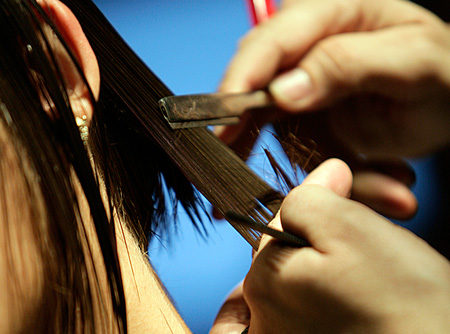 Razor cutting isn’t just about using a sharp blade—it’s an art form that relies on precision, angle, and understanding of hair texture. Unlike scissors, which snip hair straight across, a razor creates soft, feathery ends by slicing through strands at an angle. This method is particularly popular for fine hair because it removes bulk without sacrificing length, adding movement and dimension. The key lies in the stylist’s skill: a well-executed razor cut can enhance your hair’s natural flow, while a poorly done one might leave it looking frayed or uneven. For fine hair, which often lacks body, a razor cut can introduce subtle layers that create the illusion of fullness, making it appear thicker and healthier.
Does Razor Cutting Damage Fine Hair? Separating Myth from Reality
 One of the biggest concerns with razor cutting fine hair is the risk of damage. Fine strands are already more prone to breakage, and a razor’s sharp edge can exacerbate this if used incorrectly. The blade can weaken the hair shaft, leading to split ends, frizz, or even noticeable thinning over time. However, damage isn’t an inevitable outcome—it’s often a result of poor technique or overuse. When done by a skilled stylist who understands the nuances of fine hair, a razor cut can actually *prevent* damage by removing weak, split ends before they travel up the hair shaft. The trick is to opt for a razor cut only when your hair is in good condition and to follow up with a robust haircare routine to maintain its health.
Why Fine Hair Loves (and Hates) Razor Cuts: The Science Behind the Strands
 Fine hair’s structure is its Achilles’ heel. Each strand has a smaller diameter than coarse hair, making it more susceptible to environmental stressors like heat, humidity, and chemical treatments. When a razor is used, it doesn’t just cut the hair—it can also disrupt the cuticle layer, the hair’s protective outer shield. This disruption is why fine hair might appear more porous and prone to frizz after a razor cut. On the flip side, the technique can also create *surface area* by texturizing the ends, which can make fine hair appear fuller. The science here is all about balance: a razor cut should be a strategic tool, not a routine habit. For those with fine, straight hair, a razor cut every 8–12 weeks can help maintain shape and prevent split ends without over-stressing the strands.
Razor Cutting vs. Scissor Cutting: Which Is Better for Fine Hair?
 Choosing between a razor cut and a scissor cut for fine hair often comes down to your hair’s current state and your desired outcome. Scissor cuts are gentler on the hair shaft and better suited for maintaining length or creating blunt cuts. They’re ideal for fine hair that’s already fragile or prone to breakage. Razor cuts, meanwhile, excel at adding texture and movement, which can be a blessing for fine hair that lacks body. However, they’re not a one-size-fits-all solution. If your fine hair is already damaged or chemically treated, a razor cut might do more harm than good. In such cases, a stylist might recommend a *point cutting* technique (using scissors) to achieve similar texturizing effects without the risk. The bottom line? Fine hair thrives on precision—whether that’s achieved with a razor or scissors depends on your hair’s unique needs.
Aftercare Essentials: How to Keep Fine Hair Healthy Post-Razor Cut
 Even the best razor cut won’t last if your hair care routine isn’t up to par. Fine hair post-razor cut demands extra TLC to prevent damage and maintain that fresh, voluminous look. Start with a sulfate-free shampoo to avoid stripping your hair of its natural oils, which are crucial for keeping fine strands supple. Follow up with a lightweight conditioner, focusing only on the mid-lengths and ends to avoid weighing down the roots. Deep conditioning treatments, like masks or leave-in serums, can help repair any minor damage and add a protective barrier against environmental stressors. Heat styling should be minimized, but if you must use hot tools, always apply a heat protectant first. Finally, regular trims every 8–12 weeks will keep those razor-cut ends looking sharp and prevent split ends from creeping up the hair shaft. With the right care, a razor cut can be a transformative experience for fine hair, turning limp locks into a cascade of healthy, bouncy strands.