

Short hair is often praised for its effortless appeal, but the reality is more nuanced. While it’s true that some short styles require minimal upkeep, others demand just as much—or even more—attention than their longer counterparts. The perception that short hair is universally low-maintenance stems from a few well-known styles, like the pixie cut or a sleek bob, which can indeed simplify your routine. However, the truth is that the maintenance level of short hair depends entirely on the cut, your hair type, and how you style it. Let’s explore why short hair can sometimes be more demanding than you’d expect.
Short Hair Isn’t Always Effortless: The Hidden Work Behind the Look
 Many people assume that short haircuts like the pixie or undercut are maintenance-free because they’re short. While it’s true that these styles don’t require daily brushing or lengthy blowouts, they often need frequent trims to keep their shape. A pixie cut, for example, can start to look messy or grow out unevenly within just a few weeks. Without regular salon visits—sometimes as often as every four to six weeks—the edges can become jagged, and the overall silhouette may lose its sharpness. Even styles that are designed to look undone, like a shag or a textured crop, require occasional styling to maintain their effortless vibe. The key takeaway? Short hair isn’t inherently low-maintenance; it’s about choosing the right cut for your lifestyle and committing to upkeep.
Texture and Styling: Why Some Short Cuts Demand More Attention
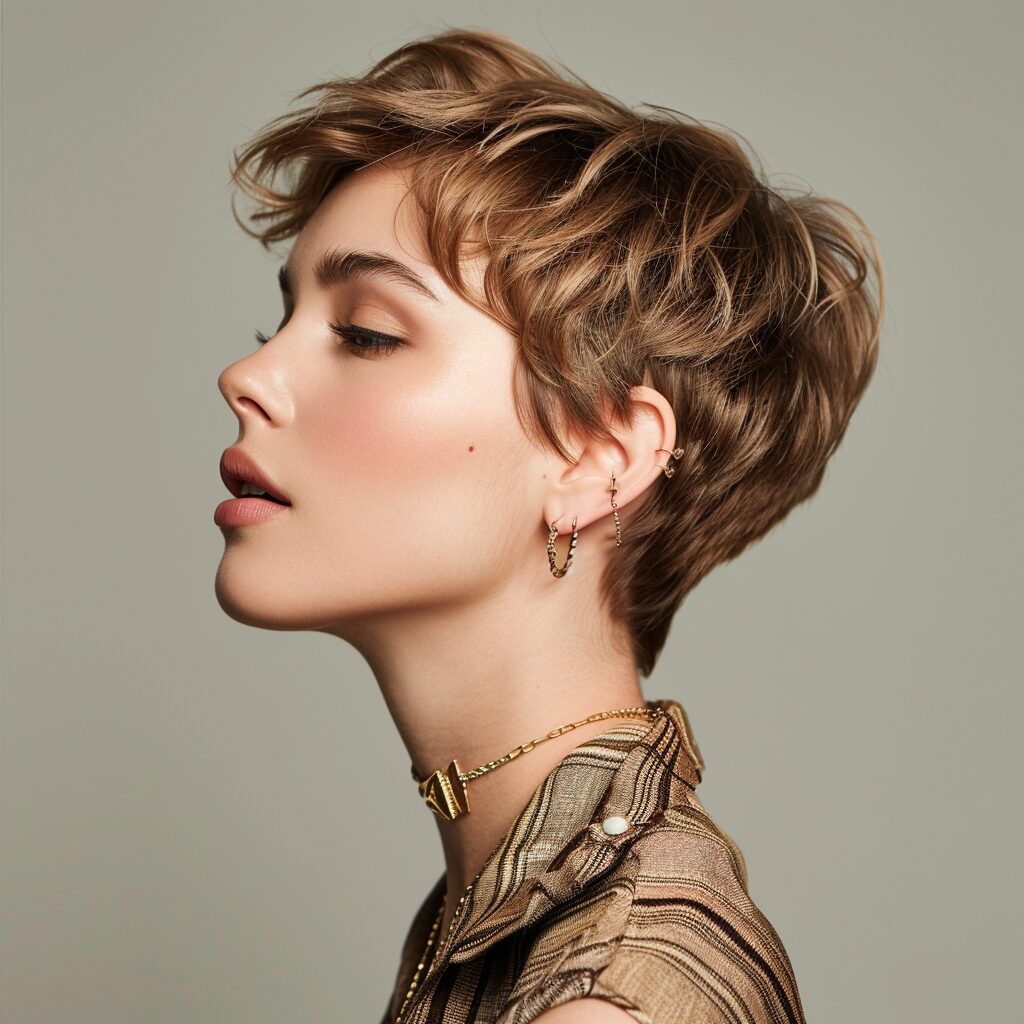 Not all short haircuts are created equal, and your hair’s natural texture plays a huge role in how much work they require. Fine, straight hair might look sleek with minimal effort, but it can also appear flat or lifeless without regular trims to prevent split ends. On the other hand, thick or curly hair often needs more frequent styling to keep frizz at bay or to encourage the curls to hold their shape. For example, a short curly bob might look stunning when freshly cut, but without proper moisturizing treatments and styling products, it can quickly turn into a frizzy mess. Even a simple short bob can become high-maintenance if you’re aiming for a polished, salon-worthy finish. The takeaway? The shorter the hair, the more critical it is to match the cut to your hair type and texture to avoid constant styling battles.
The Illusion of Simplicity: Why Short Hair Can Feel Like More Work
 There’s a psychological aspect to short hair that makes it feel more high-maintenance than it actually is. When your hair is short, every little change—whether it’s a new growth spurt, a slight curl, or a missed styling session—becomes more noticeable. A long mane can hide a multitude of sins, but short hair exposes every imperfection. This visibility can make short styles feel like they require more attention, even if the upkeep is minimal. Additionally, short hair often demands more frequent washing to keep it looking fresh, especially if you have an oily scalp. Unlike longer hair, which can go a few days between washes without looking greasy, short styles tend to show dirt and oil more quickly. The result? More frequent hair washing, which can lead to dryness or damage over time if not balanced with proper care.
When Short Hair Truly Is Low-Maintenance (And When It’s Not)
 Despite the challenges, there are plenty of short haircuts that genuinely require very little upkeep. Styles like the buzz cut, a well-blended fade, or a low-maintenance crop are designed to grow out gracefully without constant styling. These cuts often work best for people with straight or wavy hair and those who prefer a no-fuss routine. However, even these styles aren’t entirely hands-off. A buzz cut, for instance, needs regular trims to maintain its clean lines, and a fade requires precise blending to avoid awkward growth patterns. The difference is that these cuts are built to be forgiving, allowing for natural texture and movement without demanding perfection. The key to making short hair work for you is choosing a style that aligns with your hair type, lifestyle, and willingness to commit to upkeep.
Final Thoughts: Short Hair’s Maintenance Myth
 Short hair isn’t inherently more or less maintenance than long hair—it all comes down to the specifics of the cut and your personal hair needs. While some styles are designed to be effortless, others require just as much care as longer hair, if not more. The myth that short hair is always low-maintenance can lead to frustration when a style doesn’t live up to expectations. The best approach is to consult with a stylist who understands your hair type and lifestyle before committing to a short cut. With the right choice, short hair can be a liberating and stylish option that fits seamlessly into your routine. But if you’re not prepared for the upkeep, you might find yourself longing for the days when a quick ponytail was all it took to look put-together.