
Hair is more than just strands of keratin; it’s a living extension of our identity, a canvas reflecting our history and experiences. We tie it up in countless styles, let it flow freely, and we wash it, seeking cleanliness and a sense of renewal with each lather. But the very act that seems so essential – washing your hair every single day – often becomes a point of contention and fear. Is that daily ritual, that cascade of shampoo and water, really a gentle rinse, or is it whispering the secrets of unseen damage? We wear our hair like armor sometimes, and the persistent question lingers: Could our daily cleansing be, paradoxically, taking a toll? Scalp Symphony: Debris vs. Defiance
](https://images.squarespace-cdn.com/content/v1/65affba9cffbe5407b79f389/41ddfa4a-c8e5-4260-b2d4-986bc1d519b5/does-washing-your-hair-every-day-really-cause-damage.jpg)
 Think of your scalp not as a battleground, but as a vibrant, bustling ecosystem, much like a rainforest teeming with microscopic life. Daily washing acts like a gentle rain shower upon this forest floor. The concern arises not about deliberate destruction, but about the constant, heavy downpour potentially washing away the balance and exposing the undergrowth to harsh conditions. Overzealous cleansing, we worry, could strip away not just the day’s dust and product residue, but also the scalp’s valuable natural oils – its vital rainforest nutrients. These oils, produced by the scalp, are crucial players in maintaining hair hydration, elasticity, and overall health, keeping the strands supple and the roots happy. But is this natural ecosystem resilient enough to bounce back from repeated cleansing, or does the daily deluge leave behind a tell-tale sign of depletion and imbalance, setting the stage for dryness and potential distress? Wool Tangled: Hydration Conundrums
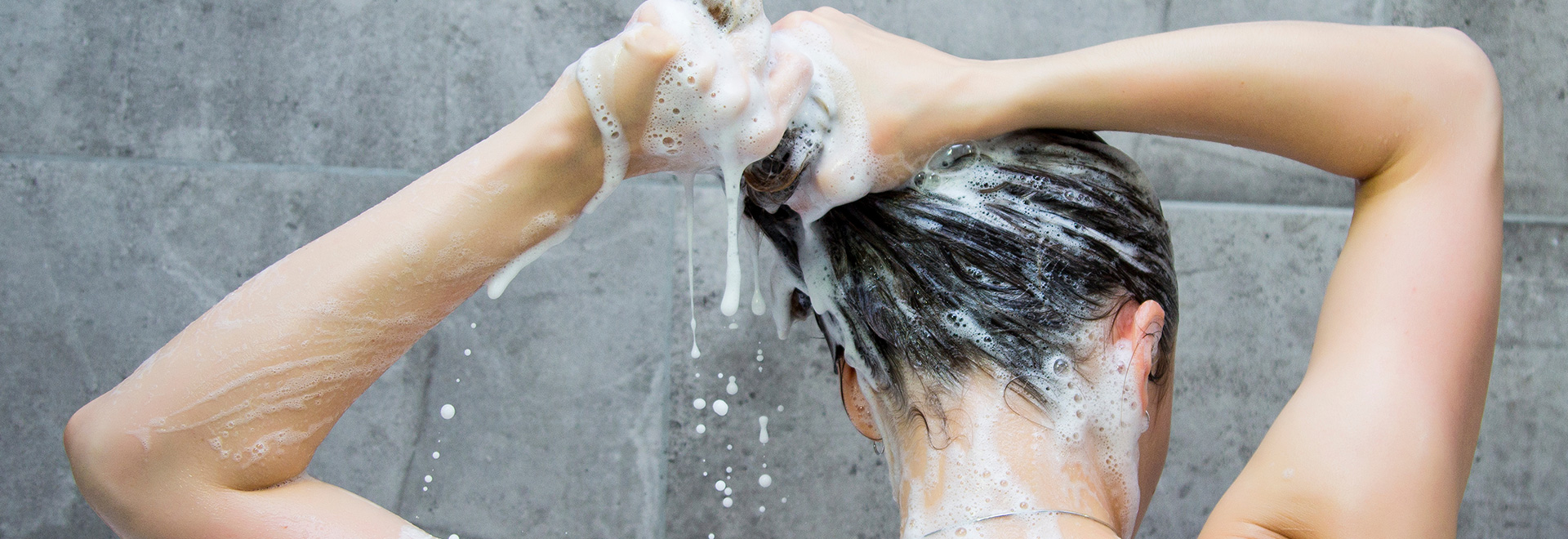 Hair, much like a delicate silk fabric, thrives on equilibrium. Imagine hair fibers as individual, slightly thirsty sponges, uniquely designed to absorb and release moisture. When submerged in water during washing, these fibers can sometimes become overwhelmed. Think of it like trying to wring out a super-saturated sponge – the water clings. Excessive daily washing and vigorous drying can lead to a phenomenon often termed “hydrostatic shock” or simply, dryness. The hair’s natural moisture is stripped away, leaving it feeling stripped bare, brittle, and prone to breakage rather than becoming softer and healthier. It’s a counter-intuitive paradox: the water seeks the path of least resistance, sometimes taking the direct route outwards, leaving the hair’s inner core feeling parched and vulnerable, weakened by the process designed to clean it. Reflections of Friction: Product & Process Worries
 Often, the daily hair care routine involves more than just water; it’s a complex orchestra of shampoos, conditioners, styling gels, and heat. Each product introduces its own elements. Some ingredients can be harsh, disrupting the hair’s protective cuticle layer, leading to roughness and split ends. Furthermore, the meticulous act of washing, involving vigorous scrubbing and perhaps tight hairstyles, coupled with the use of heat styling tools for the rest of the day, creates a cumulative effect. Every single day, the hair endures friction, chemical interaction, and thermal stress, washing away dirt but also, potentially, adding cumulative wear and tear. It’s a cycle: clean hair invites dirt to return, but the constant friction and chemical exposure might be pushing the resilient strands closer to fatigue and fragility than necessary. Predicting the Pour: Hair Loss Speculations
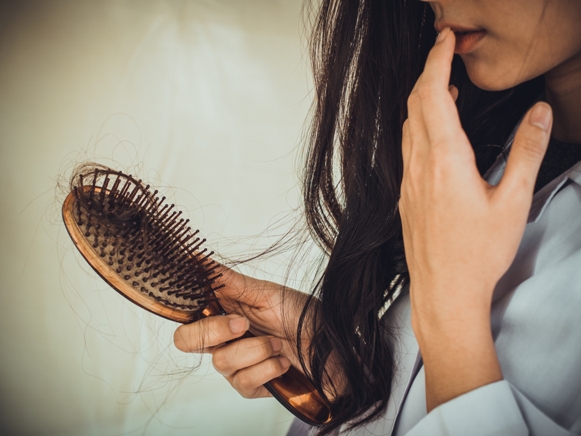 For some, the fear extends beyond simple dryness or breakage to the dreaded specter of hair loss. While daily washing itself doesn’t inherently “pull out” hair follicles in a permanent sense, it can sometimes act like a stagehand spotlight revealing existing issues. Rough washing techniques, harsh shampoos lacking gentle sulfates, or conditions stripping the scalp can potentially aggravate sensitivity or inflammation. The scalp is the foundation; if it becomes overly sensitive or malnourished due to disrupted oil balance, hair health can falter. The visible fallout during washing – more strands than usual – isn’t necessarily a sign of the shampoo’s direct causation, but could be a barometer indicating an underlying imbalance or stress induced by the daily routine’s environmental impact. It’s not the washing itself, but perhaps the cumulative effect and the scalp’s reaction to it, that might warrant closer attention. Conclusion The daily hair washing ritual, cherished for its cleansing virtues, stands at the precipice of a different interpretation – a potential double-edged sword. While essential for hygiene, understanding its interaction with our delicate hair and scalp is paramount. It’s about finding the right melody, not the volume. Perhaps the key lies in adapting the routine to individual hair types, using appropriate gentle cleansers and moisturizing treatments, minimizing harsh friction and heat styling outside the wash, and listening to our own hair’s unique needs. Is daily washing the cause, or merely an effect of other lifestyle elements? There’s no universal rulebook. The proof lies in the dialogue between its look in the mirror and how it feels to touch, care for, and ultimately, understand its journey through the world, cleansed perhaps daily, but needing a personalized approach to truly thrive and flourish.