
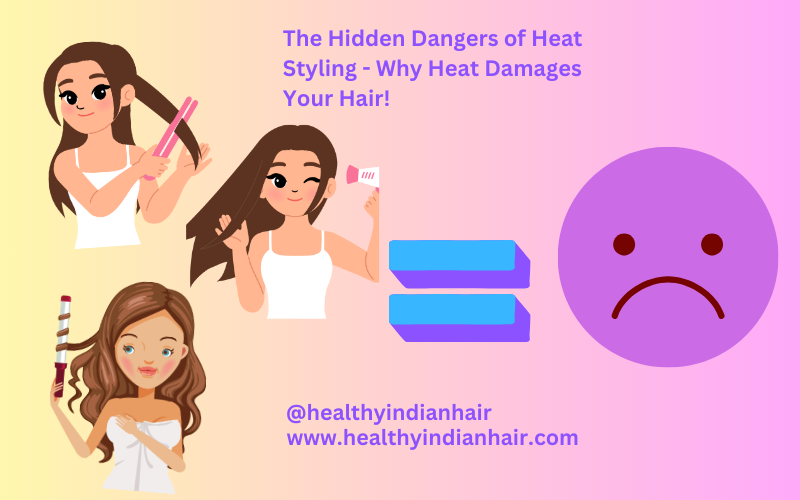
Heat styling is a go-to for so many of us, but how often do we pause to really consider the impact on our hair? While we’re chasing that perfect curl or sleek straight style, it’s easy to forget that intense heat isn’t kind to our strands. Whether you’re dealing with thinning locks or just noticed your hair looking drier and more brittle, heat damage might be a silent culprit. It’s a common observation among hair enthusiasts – the split ends, the unpredictable bounce in curly hair, or the general lack of shine – often linked simply to too much heat. But before you worry, let’s explore how you can protect your hair and perhaps even reverse some of the damage, keeping your locks healthy and vibrant.
Damaged Curl Recovery
 Curly hair, beautiful and full of potential, can sometimes suffer immensely from the high temperatures of styling tools. This particular damage case highlights a common scenario where repeated heat exposure has stripped moisture and caused dryness, leaving curls prone to breakage and losing their natural bounce. The journey to restoration isn’t just about saying “sorry”; it’s about proactive care.
Heat Protectants & Flat Irons
 The golden ticket to significantly less heat damage starts with something simple: heat protectant. Think of it like sunscreen for your hair, creating a barrier against the high temperatures from your flat iron or curling wand. Just like the best byrdie-replace-update-heat-protectants-for-thick-hair-tout-d1cb331e9a2d4fcfbbc91608ff17c01b.jpg article suggests, applying this isn’t optional, especially for thick or porous hair types. Follow it with smart flat ironing – lower temperatures than you think is necessary, using a ceramic or tourmaline plate for even heat distribution, and targeting areas you know you typically over-process.
Daily Heat Damage Tips
 Protecting your hair from heat damage isn’t just a special occasion thing; it’s a daily practice we should embrace. The Protecting Your Hair from Heat Damage guide from UzuriLife offers invaluable insights for building sustainable healthy hair habits. This includes mastering lower heat settings on styling tools, incorporating cooling phases into your routine (like applying a cool-toned serum or letting your hair air dry partially even after straightening), and understanding your hair’s unique needs and tolerance levels. Consistency is key to preventing cumulative damage.
Avoiding Heat Damage When Drying Relaxed Hair
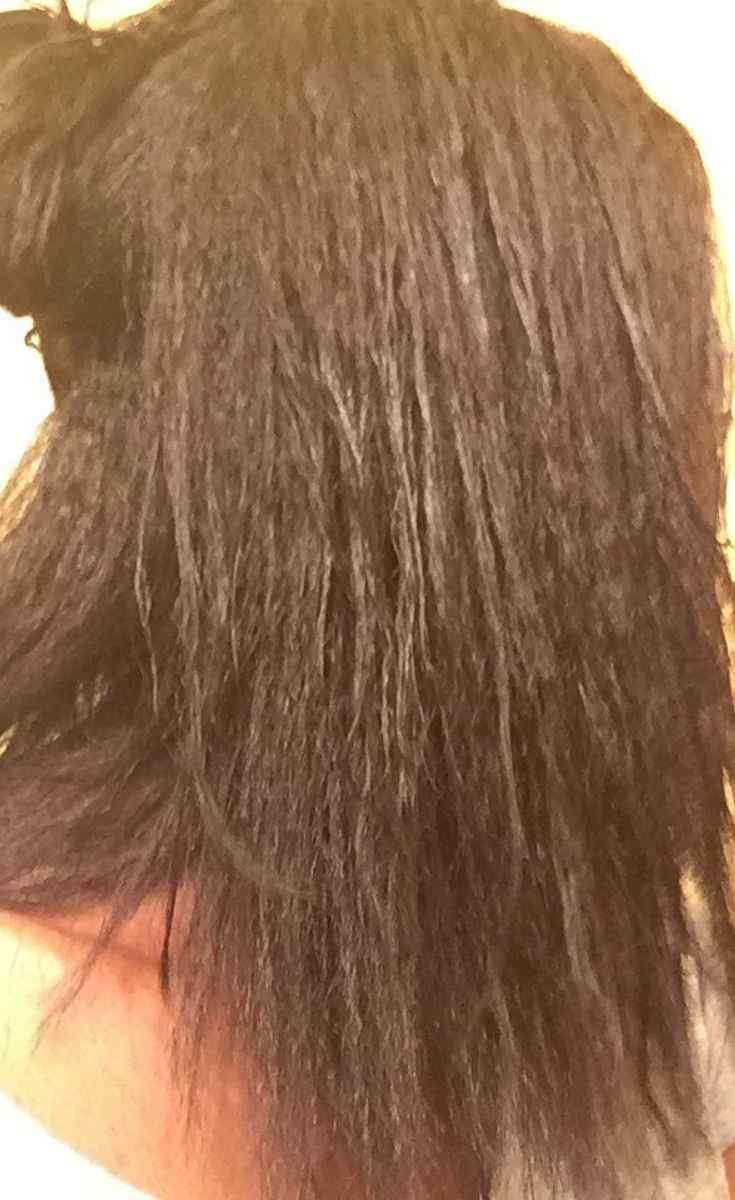 Even the most relaxed hair styles aren’t immune to heat damage, especially when drying is involved. The “How To Avoid Heat Damage When Drying Relaxed Hair” advice is particularly crucial for those with chemically processed or relaxed hair, which can sometimes be more heat-sensitive. Learning gentle drying techniques, like micro-exfoliating to remove buildup that can trap heat, allowing your hair to air dry as much as possible before finishing, and using a diffuser on lower settings, can make a significant difference in maintaining the integrity and elasticity of relaxed strands.
Reversing Heat Damage
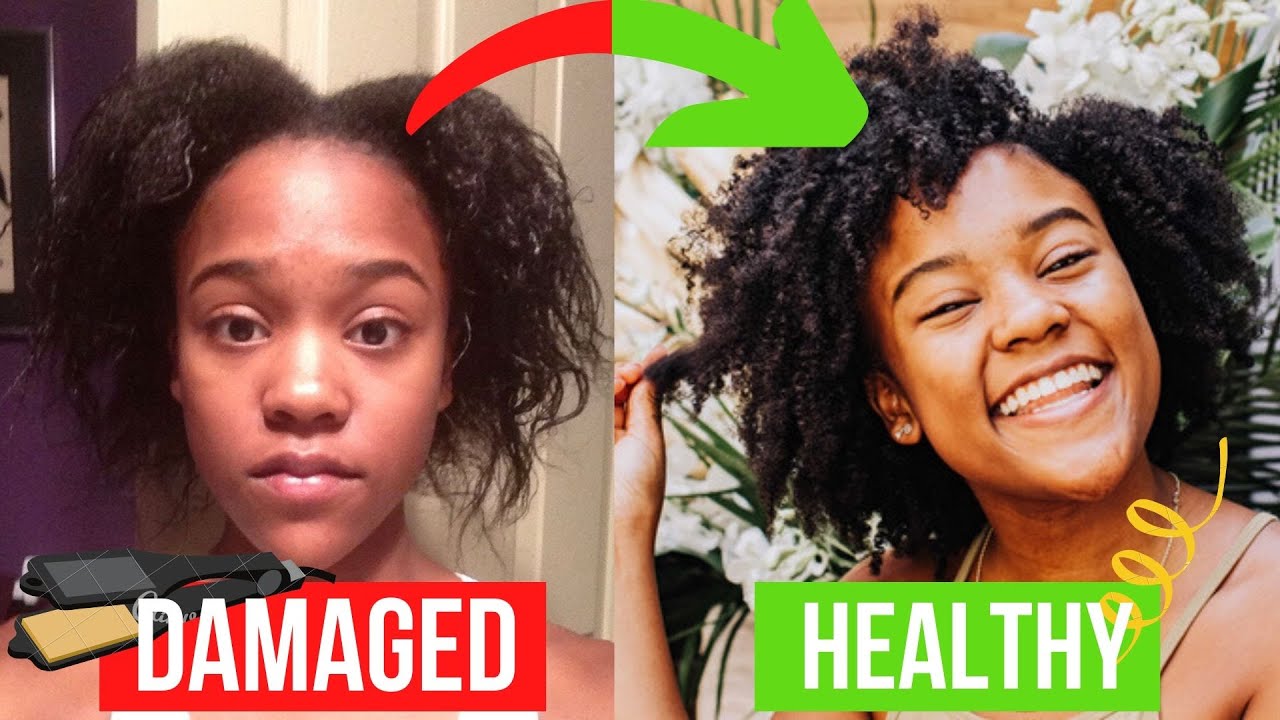 Is it possible to reverse some degrees of heat damage? The YouTube video “How to Reverse Heat Damage: Tips and Tricks” explores this fascinating possibility, moving beyond just prevention. Techniques might include incorporating deep conditioning treatments regularly, perhaps using protein treatments carefully to rebuild structure rather than weigh it down, and embracing hairstyles that don’t require manipulation. Reversing damage takes time and patience, but focusing on hydration, gentle handling, and nutrient-rich treatments can help mend broken bonds and revitalize dry, brittle strands.