

Fine hair is a blessing in many ways—it dries quickly, holds styles effortlessly, and often looks sleek with minimal effort. But when it comes to haircuts, fine hair can be a double-edged sword. While some styles enhance its natural grace, others can leave it looking limp, flat, or even worse, damaged. The problem isn’t the hair itself; it’s the cut. Certain styles are simply not built to support the delicate structure of fine strands, leading to frustration and wasted salon visits. Understanding which cuts to avoid can save you time, money, and a lot of styling headaches. Let’s dive into the five haircuts that fine-haired individuals should steer clear of—and why.
Overly Layered Cuts That Create Bulk Instead of Volume
 Layers are often marketed as the holy grail for fine hair, promising movement and dimension. But when taken to an extreme, layers can do more harm than good. Too many layers on fine hair can create bulk at the ends, making the hair appear straw-like and lifeless. The issue lies in the weight distribution—fine strands lack the density to support heavy layers, leading to a top-heavy look that flops forward. Instead of adding volume, excessive layers can weigh down the hair, making it look flat and stringy. Opt for subtle, face-framing layers that start below the chin, allowing the hair to maintain its natural lift without losing its delicate texture.
The Bob That’s Too Short or Too Heavy
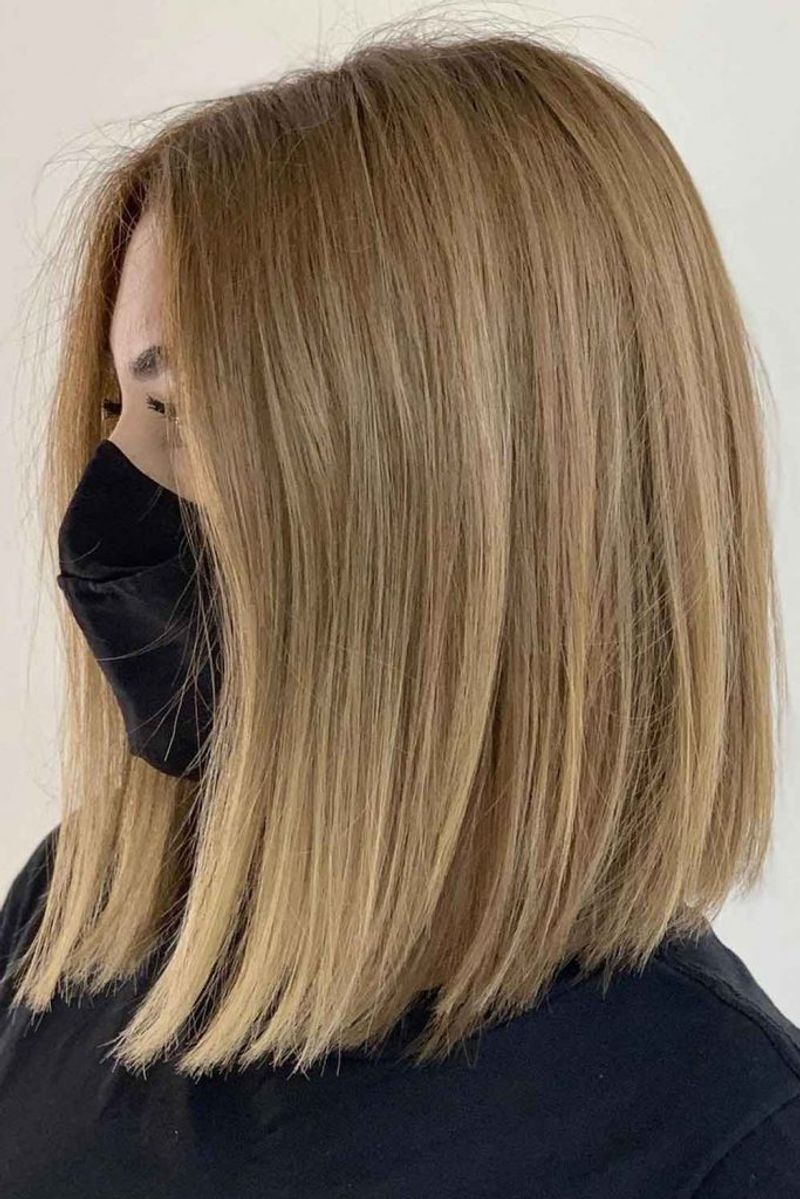 A bob is a timeless choice, but not all bobs are created equal—especially for fine hair. A chin-length bob with blunt edges can make fine hair look like it’s been ironed flat, lacking the bounce and body that fine strands naturally lack. The problem intensifies if the bob is cut too short, as the ends lose their ability to hold shape. Additionally, a heavy, blunt bob can drag fine hair downward, emphasizing its lack of volume. For fine hair, a slightly longer bob (just past the chin) with soft, rounded ends works best. This length allows the hair to maintain its natural movement while adding the illusion of fullness. Avoid sharp, angular cuts that emphasize thinness.
Asymmetrical Cuts That Highlight Thinness
 Asymmetrical cuts are bold and edgy, but they can be unforgiving for fine hair. The uneven lengths and sharp angles often draw attention to the hair’s lack of density, making thin spots more noticeable. Fine hair tends to cling to the scalp, and asymmetrical cuts can exaggerate this effect by creating uneven distribution of weight. Instead of adding dimension, these cuts can make the hair appear patchy or unbalanced. If you love the asymmetrical look, opt for a version with softer, blended edges. This approach maintains the style’s edge while preventing the hair from looking sparse. Always consult with a stylist who understands fine hair’s unique needs.
Pixie Cuts with Too Much Short Length
 Pixie cuts are undeniably chic, but they’re not always the best choice for fine hair. A pixie with too much short length on top can emphasize the scalp, making fine hair look even thinner. The lack of length at the crown can also flatten the hair, reducing its natural volume. However, a pixie cut can work wonders if tailored correctly. The key is to incorporate longer layers on top that can be styled with texture or volume-boosting products. Avoid a uniform, buzzed look—opt for a tapered or side-swept pixie that adds height and movement. Fine hair thrives when given strategic length to play with, so don’t be afraid to ask your stylist for a cut that plays to your hair’s strengths.
Heavy, Blunt Bangs That Suffocate Fine Hair
 Bangs can transform a look, but heavy, blunt bangs are a common pitfall for fine hair. Thick, straight-across bangs can weigh down the hairline, making fine hair look even more sparse. The lack of movement in blunt bangs can also create a harsh line that emphasizes thinness. Instead, opt for wispy, side-swept, or curtain bangs that blend seamlessly with the rest of your hair. These styles add softness and dimension without overwhelming the hair’s delicate structure. If you love the idea of bangs, work with a stylist to create a version that frames your face without sacrificing volume. Fine hair deserves bangs that enhance, not suffocate.