

Freehand cutting, particularly the dry cut method, is often misunderstood and underestimated in the world of garment making. Unlike traditional cutting with patterns and measurements, freehand cutting promises a fresh approach that unlocks creativity and precision, transforming how we perceive tailoring and dressmaking. This technique is not merely a skill but a shift in perspective—where intuition meets expertise. If you’ve ever felt constrained by rigid patterns or hesitant to explore more fluid methods, freehand cutting offers a liberating alternative that invites curiosity and innovation.
Mastering the Basic Bodice Block with Freehand Cutting
 The foundation of any garment begins with the bodice, and mastering a basic bodice block through freehand cutting sets the stage for endless design possibilities. This step-by-step method breaks away from strict templates, allowing the tailor to intuitively shape the bodice directly on the fabric or paper. The dry cut approach here means no pins, no baselines—just a keen eye, confident hands, and an understanding of body proportions. By feeling the fabric’s potential and evolving the outline in real time, you gain greater control over fit and silhouette right from the start.
Freehand Cutting: Embracing Freedom in Fabric
 The core appeal of freehand cutting lies in its embrace of spontaneity and skill. This method removes the limitations posed by templates and rulers, encouraging the cutter to rely on experience and intuition instead. The dry cut method eliminates wetting or temporarily pinning fabric, focusing purely on clean lines and swift scissor work. This process challenges the norm and invites tailors to develop a tactile, almost artistic connection with their materials. It is a delicate dance between planning and improvisation, one that widens the horizon of what’s possible in design and fit.
Cutting Sleeves with the Freehand Dry Method
 Sleeves can be one of the trickiest components to perfect, given their need for structure and mobility. Utilizing the freehand dry cut method for sleeves offers a new perspective on achieving both these qualities effortlessly. Without relying on rigid patterns, the tailor adapts the sleeve shape on the fly, sculpting fabric with swift, confident cuts. The dry cutting approach keeps the fabric in its natural state, emphasizing precision and the tailor’s ability to envision the finished piece before any stitching begins. This results in sleeves that not only fit well but flow naturally with the garment’s overall design.
The Pros and Cons of Freehand Cutting Techniques
 While freehand cutting captivates with its fluidity and freedom, it is essential to recognize the balance of its advantages and challenges. The pros include enhanced creativity, faster cutting time, and a personalized fit tailored to individual measurements without the hassle of pattern drafting. However, the technique demands confidence and practice; mistakes can be less forgiving without the safety of guidelines. Understanding these dynamics can prepare aspiring tailors to embrace the method while developing the skill and patience required to master it fully.
Learning to Cut Accurately with Freehand Dry Cutting
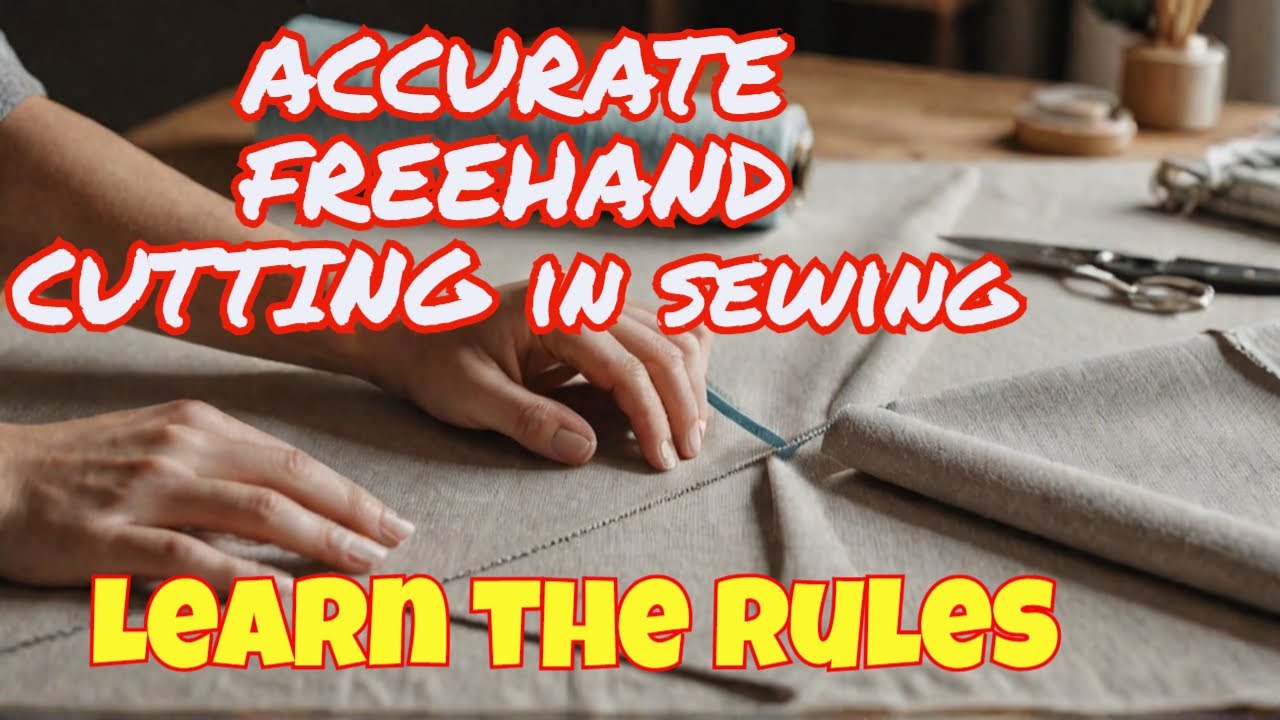 The journey to accuracy in freehand cutting begins with patient, deliberate practice focused on steady hands and sharp observation. This lesson demonstrates how even the most intricate cuts can be achieved without a single line drawn beforehand. Accuracy here is not about conformity but about refining intuition to let form emerge naturally. With continual guidance and hands-on experience, freehand dry cutting can become not just a method, but an empowering skill—turning raw fabric into tailored works of art with every decisive snip.