
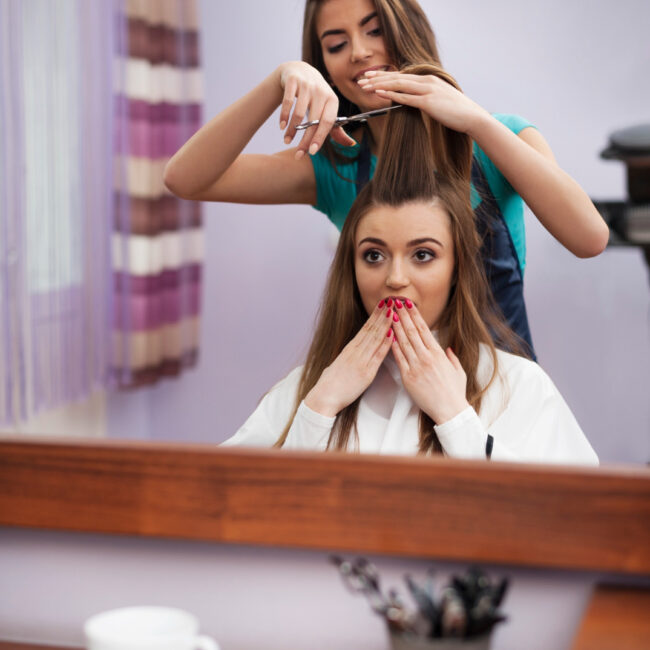
Stepping into the chair, often feels like embarking on a journey of self-discovery. That’s because every haircut, carefully considered by a skilled stylist or meticulously done yourself, represents more than just trimming or shaping – it’s a powerful expression, a statement about who you are and the vibe you’re cultivating. A haircut isn’t merely hair on your head; it’s a sculpted part of your identity, an art form captured in fleeting moments through iconic images reflecting evolving styles. These frames are our collective language – our visual code for understanding different approaches to transforming hair, each seemingly whispering its own unique essence. As you explore, remember that while trends come and go, the fundamental techniques remain the building blocks – timeless skills waiting to be admired.
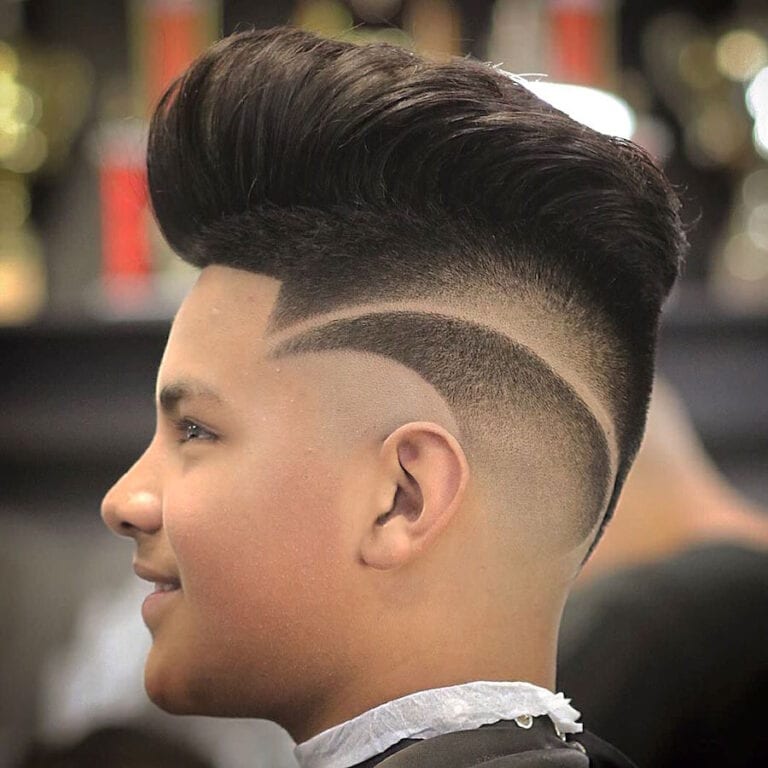 Frictionless Precision: Embracing Effortless Style
This image beautifully encapsulates the allure of techniques focused on clean lines and non-committal shapes. Think of styles that fall somewhere between structured and loose – avoiding sharp corners but maintaining distinct separation. The ‘frictionless’ aspect here represents the lack of resistance these styles offer; they glide through the day, adapting to your movements without constant reformation. It’s about effortless elegance, a hair-do that looks intentionally chic without demanding constant maintenance. This technique capitalizes on modern lifestyles, offering a polished look that feels fresh and carefree, perhaps even a touch rebellious in its simplicity against tightly bound updos.
 Dynamic Texturizing: Sculpting with Weight and Movement
Observe the interplay of strands and layers in this image – a perfect visual reminder of the transformative power of texturizing. This technique isn’t about precise cuts but about strategically introducing weight and volume using scissors, razors, or texturizing products. Imagine the hair cutting as less about defining every inch and more about releasing the potential volume trapped within the strands. It adds depth and dimension, softening the face and allowing the hair to move in beautiful, gravity-defying ways. Think of it like shaping driftwood – distinct but never too rigid, allowing the piece to find its own unique form and flow under the dynamic influence of technique.
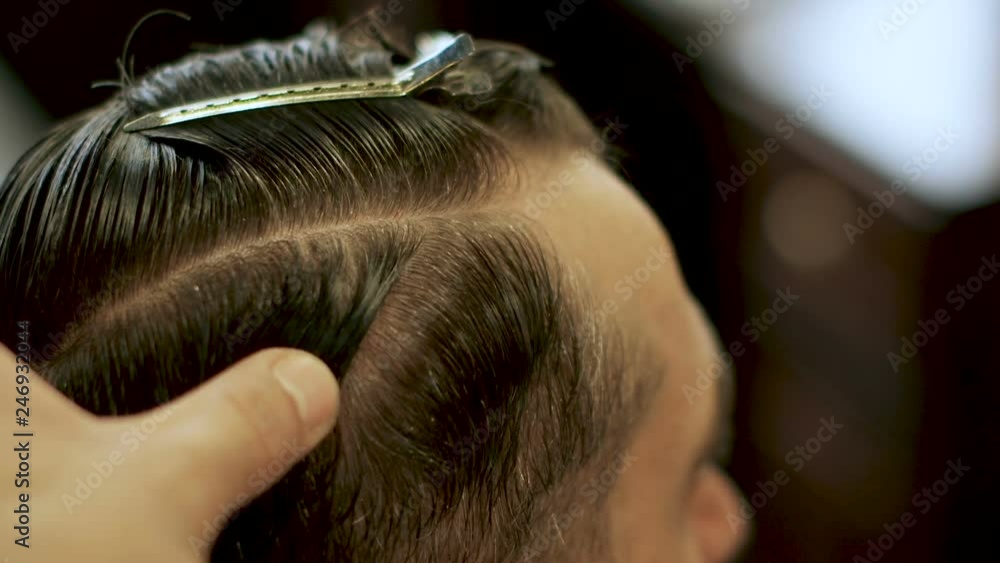 Bold Precision Blending: Meticulous Detail for Harmonious Style
This shot exemplifies the enduring power of the scissors technique – where the tool itself becomes an extension of the artist’s vision. Moving away from the blunt force of razors, this style creates smooth transitions between hair lengths by meticulously cutting the hair progressively shorter towards the perimeter. It’s like sculpting with painstaking care, ensuring that every strand flows seamlessly and respectfully against the skin and other elements of your hairstyle. The result is a look of sophisticated harmony, built layer by layer, edge feathered with incredible finesse. It speaks to classicism blended with the modern understanding of hair physics – a commitment to precision that defines a refined aesthetic.
 Fluid Layered Cuts: Empowering Natural Volume and Shape
Gazing at this image showcasing beautifully defined curls, we witness the cruciality of understanding natural hair textures. Cutting hair that naturally holds its own shape, like curls or wavy locks, requires a different approach – one that celebrates, rather than fights, the hair’s innate momentum. Fluid layers are often the key, defining sections while retaining the bounce and movement inherent to these textures. It’s less about uniformity under a shear and more about working *with* the hair – creating strategic lengths and enhancing its natural volumetric power. This technique embodies a form of empowerment, respecting the hair’s personality and amplifying its unique character.
 The Razor Edge: Crafting Clean Lines and Soft Features
Finally, this visual serves as a reminder of the specialized techniques used to achieve haircuts with sharp, seemingly infinite edges. Razor cutting isn’t just trimming; it’s a sculpting tool used to create a specific separation – typically removing a small amount of length close to the head on the perimeter. This precision allows hair that might be layered elsewhere to behave almost independently, floating freely. It’s about defining shape against the face and neck with crisp, clean separation, often used to reduce bulk or create a distinct silhouette. Using a razor strips away the old, building the new with the fluidity only this sharp edge provides. It represents a sculpting method focused on edge definition rather than sheer bulk removal.