
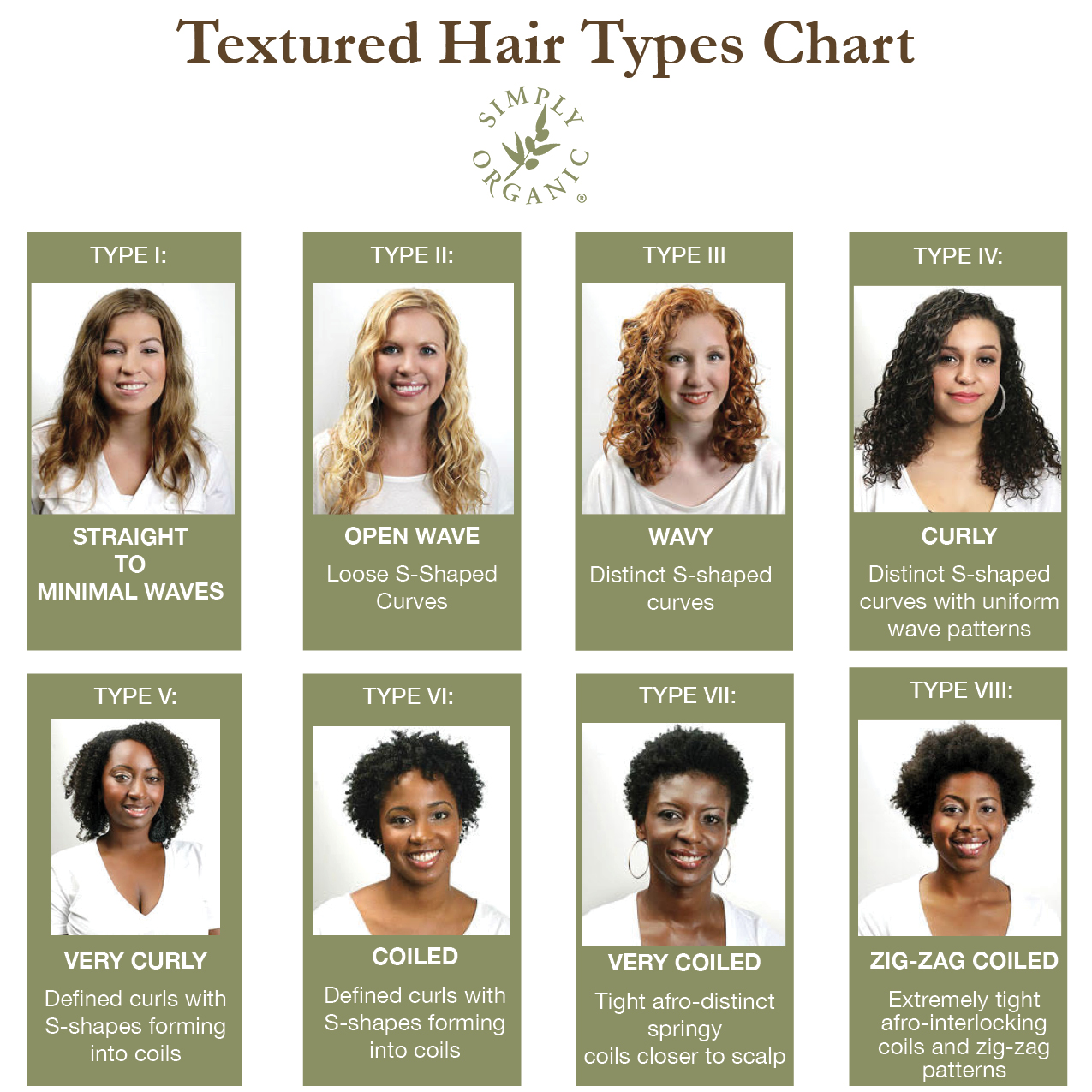
Ever been staring at your shampoo bottle, wondering if that ‘volumizing’ one would actually make your hair look the way it does right now? Maybe your stylist asks you something about defining or sleeking, and you get tongue-tied trying to describe what you’ve got under those layers. Sound familiar? It’s a conundrum many of us face, especially when hair types differ so wildly! Identifying your hair’s unique textures isn’t just about getting the right shampoo and conditioner; it’s truly the foundation for a personalized hair care journey to happier, healthier locks.
Navigating the Waves: Straight, Fine, and Silky Textures
 Think your hair lays down smooth, maybe even reflecting your surroundings faithfully without much effort? You’re likely dealing with a **Straight** or **Fine** texture. These types generally lie flat against the scalp and along the hair shaft, resulting in a sleek appearance. Typically fine straight hair also absorbs less oil, leading some experts to believe it ages slower than coarser textures.
The Curves of Confidence: Wavy to Curl Textures
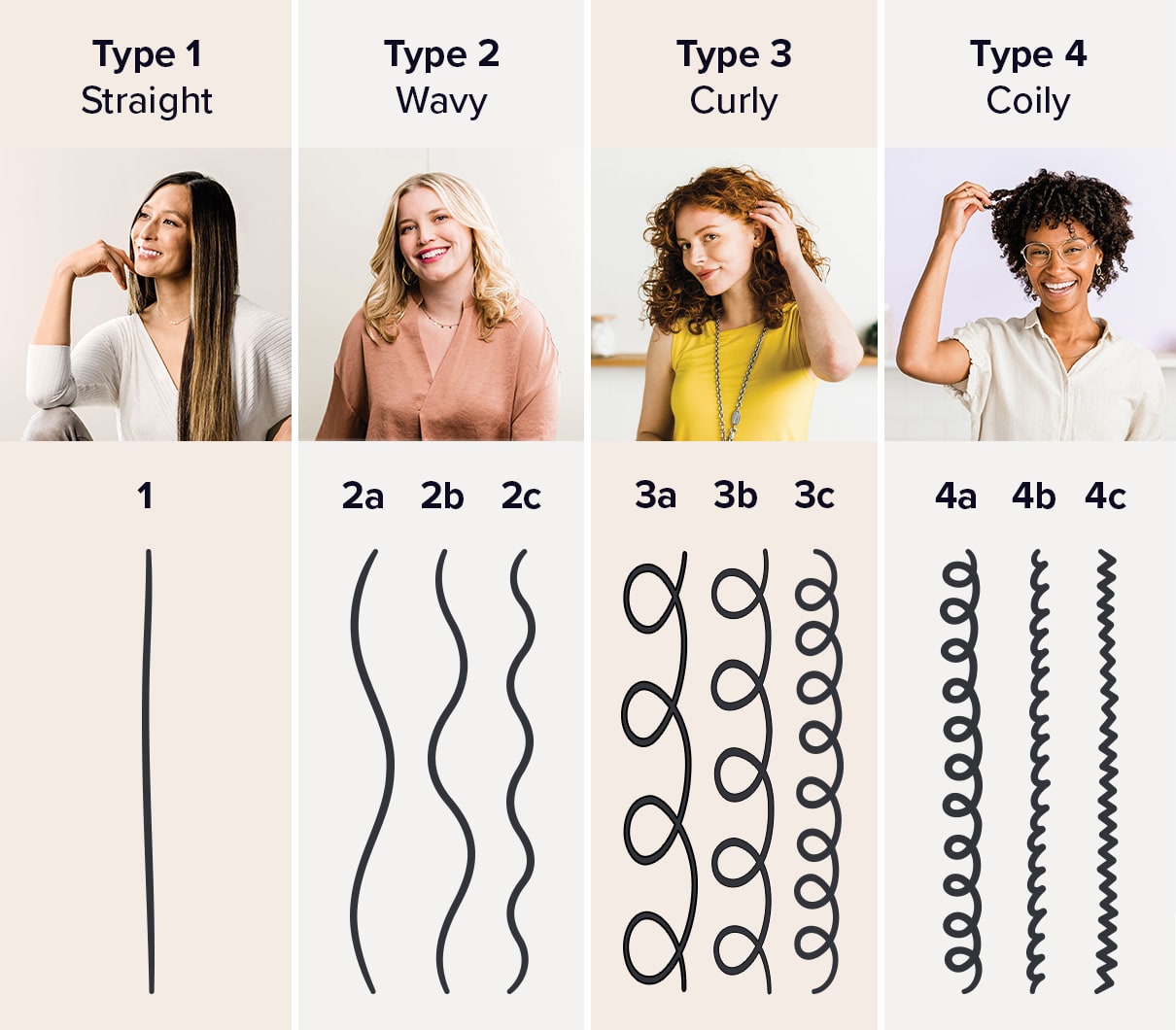 The world of hair introduces bends and curves! Wavy hair, often categorized from Type 2 (very fine, minimal body) to Type 3B (denser, more defined waves), sits beautifully between straight and curly. But what about that coveted curl? Are you searching for that perfect curl definition? Curly hair text textures range significantly too—this is where you might hear terms like permanent wave, loose curl, or tight ringlet curl. Shampooing and drying these textures requires gentle handling to prevent dryness, breakage, and the dreaded “Mop.”
Oh, the Curves! Exploring Curly and Coily Textures
 Have you ever looked in the mirror and marveled at the intricate patterns forming on your hair strands? That’s the domain of Curly or Coily hair. Coily textures are often described as kinky, tightly wound springs. Kinky curls (Type 4 hair) are among the densest and most tightly coiled, demanding specialized care to retain their unique integrity. In the middle, 3A, 3B, or 3C curls offer a spectrum of bend, each requiring its own approach to hydration and styling. Understanding these differences – the tightness, the pattern, the body – is absolutely crucial for finding the right products and routines.
Textural Diversity: Fine, Medium, and Coarse Explained
Beyond the curl vs. strand, another dimension exists: **Coarsety**. Imagine three imaginary scales for straight hair texture: Fine, Medium, and Coarse. Fine hair feels soft and delicate, prone to dryness as oil doesn’t hold up well. Medium hair offers more body and resilience, a happy medium, perhaps. Coarse hair is thick and robust, demanding heavier products and tools to glide through properly, as lightweight formulas might simply vanish without a trace. Knowing your hair’s coarseness level helps tailor the perfect regimen from deep conditioning treatments to the right comb or brush.
Moving Beyond Misperceptions: Finding Your True Texture
 Sometimes, the journey to understanding our hair type starts with a friend gently pointing out something we hadn’t noticed. My own realization stuck like a burr, especially wondering, *did I ever actually use hair products correctly before?* It’s a revelation – knowing whether your strands prefer volume or lie down in gentle S-curves, whether they absorb water like a sponge or repel moisture significantly, whether your defining feature is straight vs curly etc. That moment of understanding when you can accurately place your hair type isn’t just a cosmetic exercise. It’s enlightenment for your routine. That final section? That’s where you finish your hair care journey, armed with the confidence of precise understanding and ready to embrace the unique capabilities of your own magnificent tresses.