

As we cast our gaze towards 2026, the world of style inevitably begins to shift, evolving currents and emerging trends setting the stage for a new era of self-expression. And nowhere is this more palpable than in the world of hair, where cutting-edge styles become statements, showcasing personality and confidence. Forget yesterday’s fads; the year ahead promises a fresh perspective, a bold evolution in how we wear our hair. From sleek, innovative cuts to dynamic layers and versatile textures, the landscape promises transformation. Prepare to embrace the future, where longer locks become sculpted works of art, short hairstyles dazzle with unique angles, and medium cuts find new forms that defy convention. This isn’t just about following trends – it’s about anticipating them and owning the look. Join us as we explore some of the most anticipated and talked-about hairstyles heading into 2026, styles that are set to define a new decade.
Unveiling Clean Structures: The Tapered Teen Edge
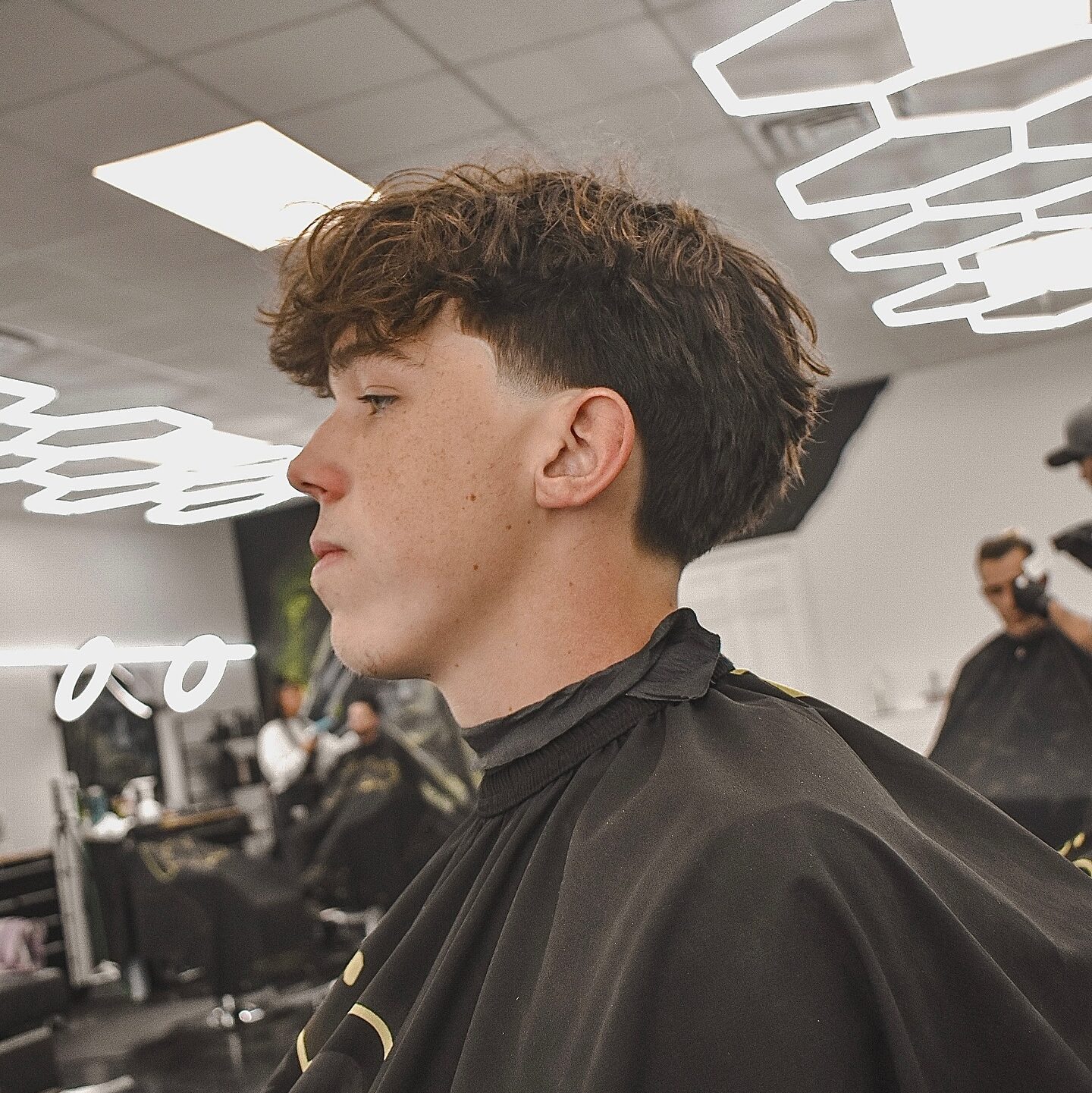 The sleek taper promises longevity, blending seamlessly from the longer top towards the perfectly defined, short sides. This isn’t just a fade; it’s a sophisticated reduction, emphasizing a clean canvas and structured volume. For the style-conscious youth, expect variations where the taper is tighter, almost a blank slate, ready for creative detailing or styling products. In 2026, this refined edge moves beyond the basic – think tapered undercut combinations with intricate fades, side partings, or texturizing cuts designed to look immaculate while allowing for texture underneath. It remains the go-to style for a sharp, modern look with inherent versatility.
Pin-Tastic Potential: Elevating Retro Cuteness
 But alongside the precision, retro vibes are staging a powerful comeback. The pin hairstyle, adored for its effortless length and natural volume, appears poised for its moment in the spotlight, set to influence the core styles for the upcoming year. While perhaps softer in its initial presentation, even its variations draw inspiration from this iconic ’80s and ’50s silhouette. Expect to see these influences subtly woven into modern takes, perhaps through sharper, asymmetric collar designs for men, or texturized top lengths for women that borrow the silhouette but with current styling techniques. It’s about achieving that effortless cool factor with pieces naturally framing the face, moving away from high-volume poufs towards a more relaxed, contemporary version that enhances confidence.
Modern Minimalism: The Short Hair Statement
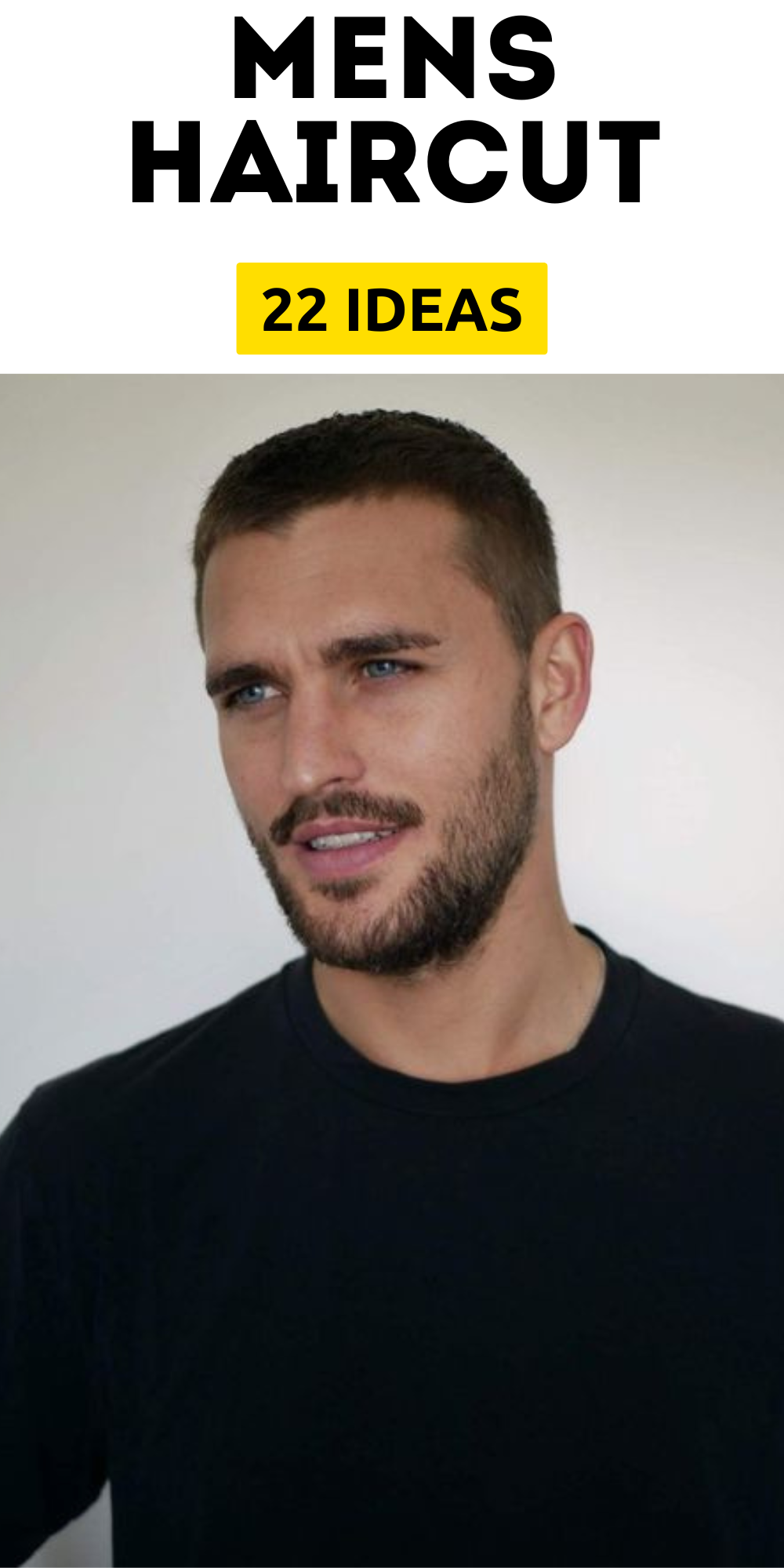 As the year progresses, the enduring allure of the short hairstyle isn’t fading; it’s evolving into something uniquely potent for 2026. Long gone are the days of simple buzz cuts; the modern short hair is about complex layers, dynamic shapes, and precision details. Styles like undercut geometries incorporating sharp lines or asymmetrical patterns offer visual intrigue. The high fade and undercut combinations, often designed with intricate lengths and textured heights, provide a canvas for precision barbering. Expect experimental fringe variations, such as asymmetrical parts or graduated curtain bangs. Texture reigns supreme here – embracing choppy layers, point layers, or geometrically defined sections for a short style that’s not just short, but smart and sharp.
Textural Titans: The Power of Bangs (Without Bobbing)
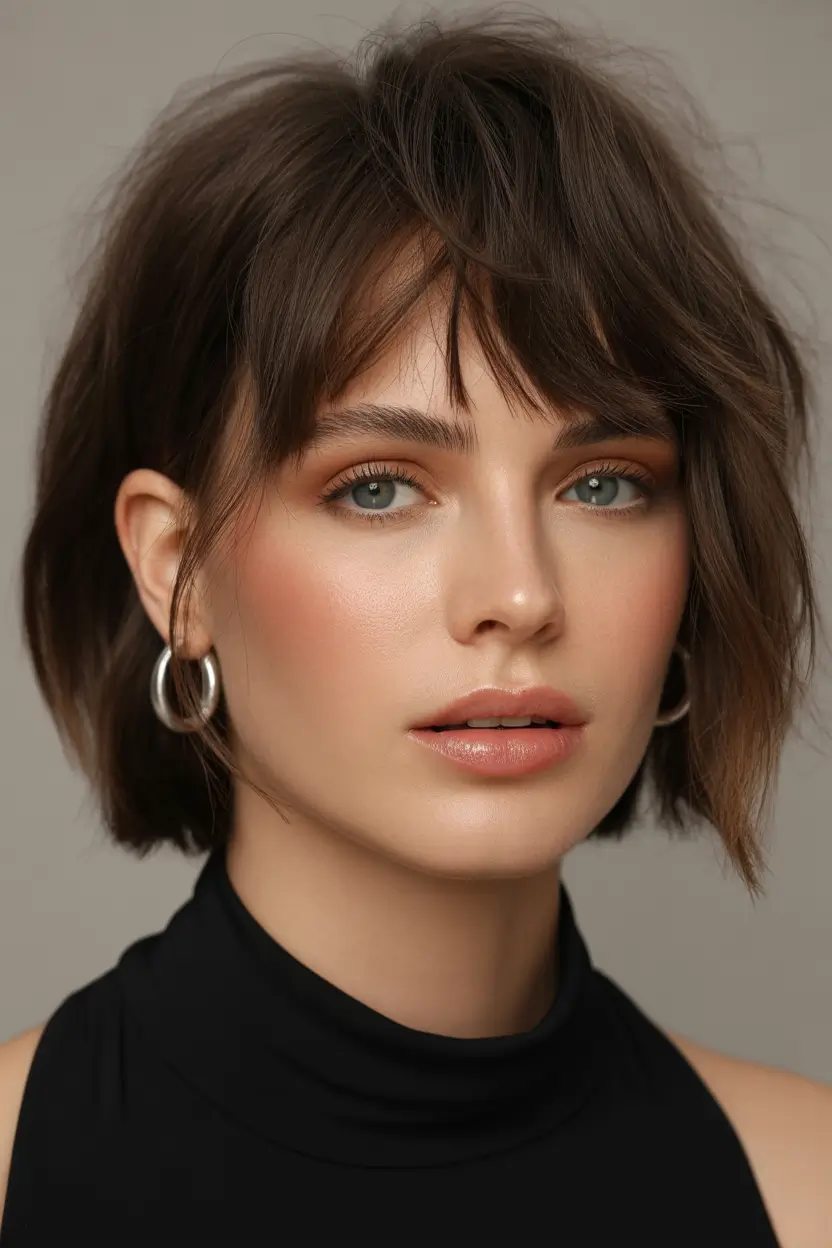 The bob, eternally versatile, is central to 2026’s popularity charts. But look beyond the simple trim – layered bobs, textural bobs, and shaggy bobs dominate, refusing to be static. These aren’t simple straight cuts. They feature dynamic layering within the fall, creating movement and softening the overall shape. Texturized elements, often achieved through techniques like razor cuts or point layers, add depth and avoid looking flat. The shag, far from being forgotten, makes a strong comeback, but not as a retro copy. Expect a modern shag – perhaps a medium to longer length cut, utilizing soft, blurred layering for volume at the roots and texture throughout. Key to many these styles is bangs – not the classic side part, but curtain bangs, graduated bangs, or undercut bangs offering variety. Crucially, the undercut offers a bold way to contrast bobs and layered cuts, emphasizing the fall through bold side contours.
Layer Dynamics: The Art of Shagging Through 2026
 From minimalist precision to retro-inspired pieces, one common element thrives: the dynamic layer. Shag cuts aren’t a fleeting comeback; they are a stylistic powerhouse for 2026, reinterpreted with modern sensibilities. The ’true shag’ concept gains traction – characterized by its soft, blended lower layers, a longer top section often with point layers underneath for body, and strategic texturization. Texture is paramount, achieved through techniques like razor cuts, fades within fades, and point layers adding dimension. Fade-to-bangs or fade-to-bowl transitions create striking, textural interfaces. Shorter layer-based styles, even those below shoulder length, emphasize the movement and dimension created by careful layer placement, ensuring no style is static, each unique in its construction yet unified by the underlying principle of layer dynamics.