
Introduction
Long hair, particularly in the wavy, romantic styles reminiscent of the early and mid-20th century, possesses a captivating power. There are countless ways to wear hair long, but few cuts capture that timeless Old Hollywood glamour as effortlessly as certain types of layers. One such technique, highly popular among stylists today yet tracing its roots through hairstyling history, is the skillful use of graduated layers. Understanding what graduated layers in long hair are, how they function, and the versatility they offer is key to unlocking that desired blend of volume, movement, and that signature Old World charm often seen on red carpets both past and present.
What Are Graduated Layers? A Foundation for Volume
Graduated layers are not just lines cut along the perimeter; they are calculated transitions in hair density. Imagine your hair falling away from your face and crown, allowing the mid-lengths and longer lengths to cascade in gentle, fluid masses. The core concept involves systematically removing more weight through cutting as you move down the hairshaft, from about the temples and crown area down towards the nape. This strategic thinning creates more volume above the ears and on top, while building weight through the mid-back and nape sections.
Understanding the weight dynamics is crucial. In a graduated cut, the layers aren’t necessarily shorter cuts at specific lengths, but rather a density gradient. Each layer represents a point where the hair density is slightly less than the preceding shorter section. The stylist maps a “road map” of density changes, often corresponding to natural weight sections or stylistically chosen zones for volume. This is particularly effective on hair that tends to be heavy or fine, allowing the graduated effect to reshape the weight, lift the top, and create that beautiful, cascading effect you’ll see in many iconic long hairstyles.
Taming the Fall with Strategic Thin Slices
While density is paramount, graduated layers also often incorporate texturizing techniques. This involves taking very small slices (typically 1% or less) out of a targeted slice of hair texture, usually focusing on the mid-lengths down towards the nape. The purpose here isn’t just adding volume from below; it’s to break up the hair’s weight visually, creating movement, texture, and preventing a flat or predictable look.
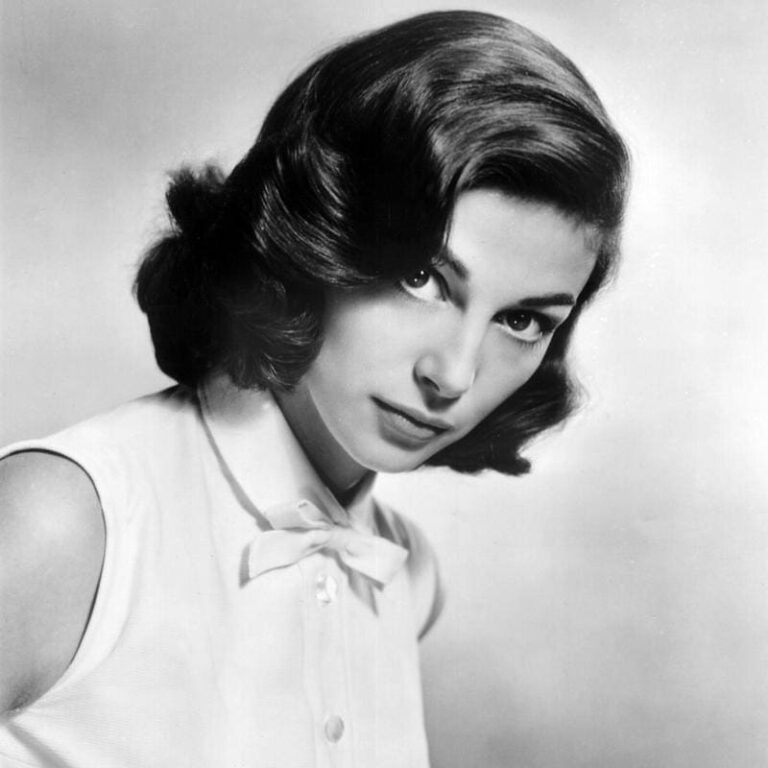
In the spirit of Old Hollywood, think about how layers might soften harshness, creating gentle transitions and fluid movement. Texturizing layers allow the long hair to lie in pleasing, non-uniform waves and strands, rather than falling in predictable, straight lines along the face or shoulders. This added dimension is essential for achieving a look that feels soft, luxurious, and full of life, reminiscent of the draped silks and flowing dresses celebrated in vintage Hollywood. It adds the necessary depth that transforms a potentially stiff long cut into something remarkably sculptural yet natural-looking.
The Sculpted Cascade: Defining Weight Distribution

Building upon density and texturizing is the art of sculpted layers. This involves cutting small, sharp transitions, usually concentrated in the lower back or nape area. By strategically removing just enough hair to lighten that specific zone, the overall shape and silhouette of the long hair is dramatically altered. Sculpted layers work like a contour, defining where the hair feels lighter and falls away more freely.
This precision shaping is where you might see echoes of more structured silhouettes from the past. While Old Hollywood often favoured overall volume and silhouette, skilled layering was used within the cut to define shape and movement. The sculpted aspect, though perhaps with more modern techniques, still deals with how weight dictates form. It sculpts the hair into a more controlled, defined length below the ear-to-temple line, creating a beautiful focal point and ensuring the weight isn’t overwhelmingly concentrated, allowing the hair to find balance. This balance is key to the elegant, somewhat polished yet still natural look that remains a staple in contemporary fashion and Old Hollywood inspired styles.
Flowing Silhouettes: Blending with the Head and Face Long, Flowing Silhouette: Integrating Hair Density with Head and Face
The true magic of graduated layers lies in their seamless integration with the head and face. The density transitions (weight and texture) are often meticulously planned to align or slightly vary from the hair’s natural lying pattern, or “fall.” For instance, a light density section above the ear and temple aligns with the hair’s natural fall away from the face, enhancing volume without pulling or straining.
Conversely, the more heavily layered or sculpted areas down the back follow the intended fall, allowing the hair to move with the body’s posture. This thoughtful consideration ensures the layers don’t clash; instead, they blend harmoniously with the overall form. This holistic approach prevents the hair from feeling cut in isolation; it becomes an extension of the movement, achieving the fluid, elegant draped quality so characteristic of iconic long hairstyles in fashion history, including those celebrated by Old Hollywood stars, whether adorned with ruffles, sequins, or luxurious long layers themselves.
The Enduring Elegance of Thoughtful Variation
In essence, graduated layers encompass more than just cutting techniques; they represent a philosophy of sculpting hair through calculated density transitions, texturizing for weight and dimension, and integrating layers with the overall head and face structure. Understanding these elements allows stylists and clients to move beyond simple ’long hair’ to create truly distinctive, voluminous, and beautifully flowing looks that possess that underlying elegance reminiscent of timeless style.