

Ever stand in the hair care aisle, overwhelmed not by product choices, but by labels you can’t decipher? Or maybe you’ve heard terms like “hydrolyzed keratin” or “amino acids” buzzing around the beauty community and wondered what they actually do? It’s time to decode that hair care ingredient rabbit hole! Understanding what goes into your shampoo, conditioner, serum, and mask transforms your routine from guesswork to informed care. This guide serves as your essential glossary and primer—helping you identify the power ingredients to actively include and the potential pitfalls to expertly avoid, building a healthier, happier relationship with your hair, one bottle at a time.
The Science of Shine: Decoding Castor Oil Benefits for Texture
 While often romanticized in creams and serums, ingredients like castor oil offer specific, science-backed benefits. Often praised for its thick consistency, castor oil (derived from the African lantana plant) is rich in omega-6 fatty acids and triglycerides. It doesn’t just glide onto the scalp; it sinks in, providing intense hydration and promoting scalp health. Its viscosity can help deliver other beneficial ingredients deeper into the hair shaft, adding slip and manageability while working to restore shine and strength, particularly beneficial for textured hair types seeking enhanced definition and bounce.
Navigating Labels: Essential Guide to Low Porosity Hair Ingredients
 Understanding your hair’s porosity is the first step, but knowing which ingredients speak directly to that unique structure is the game-changer. For low porosity hair, which can be dense and resistant, the key is to avoid overly stripping agents. Harsh sulfates aggressively cleanse but can damage the natural barrier for dense hair, leading to dryness. Instead, seek out gentler cleansers. On the flip side, deeply penetrating ingredients are crucial. Hydrators like hyaluronic acid can bind water, hydrating from within. Proteins, such as silk or hydrolyzed keratin, can help fill the dense cuticle without damaging it, adding strength and defining waves or curls. Think penetration over stripping for hair that craves resilience.
Asian Skin Deep Secrets: Demystifying Korean Hair Care Ingredients
 The popularity of East Asian skincare and haircare isn’t just aesthetic; it’s rooted in potent, science-driven ingredients tailored for the skin and hair. Ingredients like panthenol (pro-vitamin B5) are staples, known for both deep hydration and scalp soothing properties. Centella asiatica, the star ingredient in products like Artofit, is celebrated for its regenerative and anti-inflammatory effects, promoting overall scalp health and accelerated repair. Ginseng might be used to stimulate circulation and add shine, while fermented filtrates can enhance absorption. These specialized formulations offer a unique approach, often incorporating powerful antioxidants and restorative elements that address specific hair textures and concerns with a holistic mind-set.
Transparency in Bottles: Natural Oils & Clean Label Hype
 The term “natural” has become a powerful (and sometimes overused) buzzword in hair care. Often used as a marketing tactic, the key is understanding what it truly means. A truly natural product lists plant-derived oils, butters, waxes, or minerals alongside the source. But understanding extends beyond marketing speak. Carrier oils like jojoba, argan, and coconut provide foundational moisture, while butters like shea and mango offer intense emollient protection. However, the term “clean” implies more than just natural—it often signifies a focus on biodegradability, responsible sourcing, and the absence of parabens, sulfates, and synthetic fragrances (unless via essential oils). Be mindful, read labels carefully, looking for substantiated claims over fluffy marketing, distinguishing genuine natural formulations from simply natural sounding promises.
Modern Miracles: The Skincare Standard for Hair Vitality
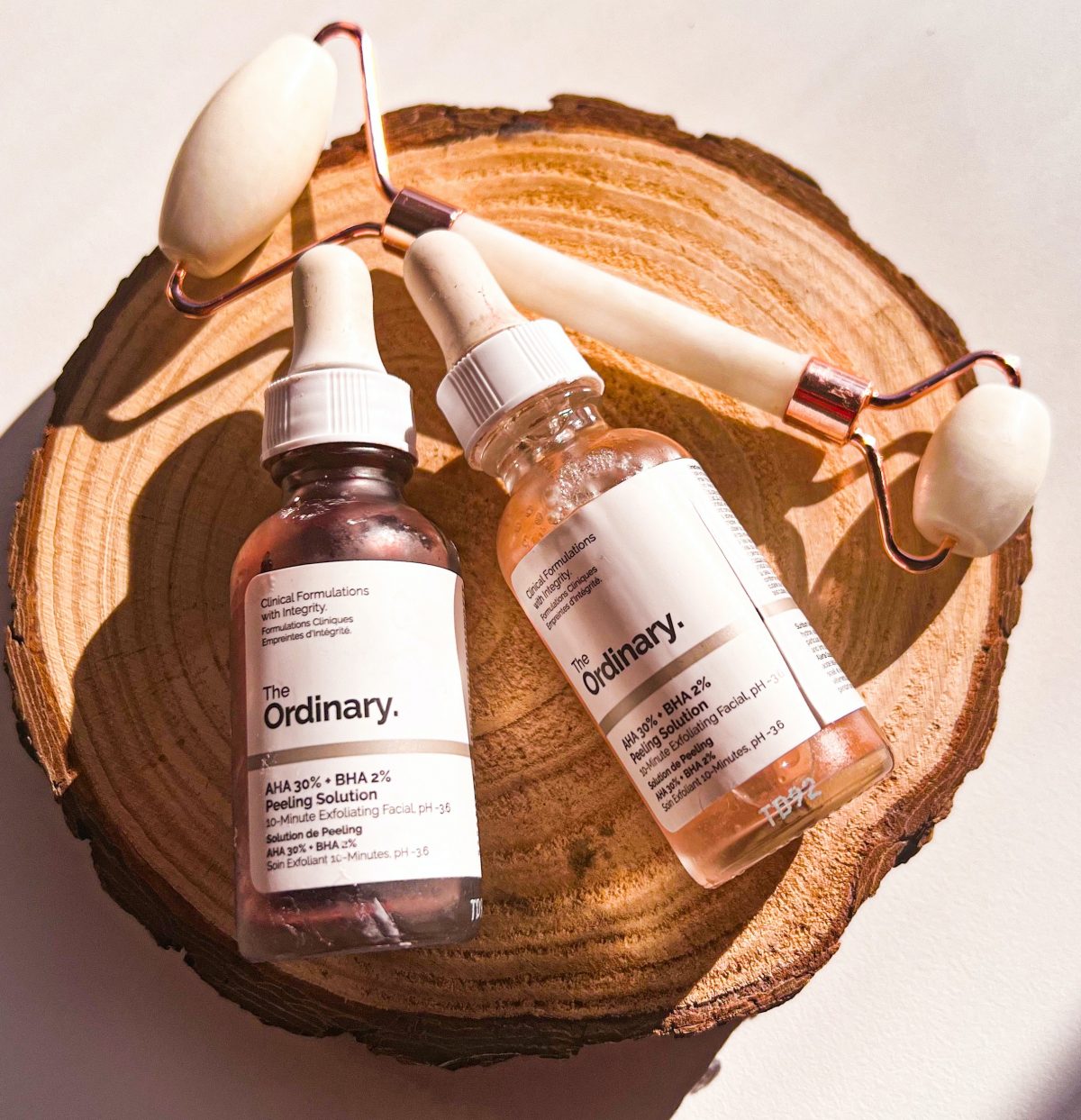 The world of high-performance hair ingredients borrows heavily from proven skincare standards. Antioxidants such as green tea extract or pomegranate protect against environmental stressors that can lead to dullness and breakage. Acids like hyaluronic acid or ceramides penetrate the hair shaft, delivering hydration and plumping the cuticle for visibly fuller, healthier-looking hair. Vitamin E is a potent ally, fighting free radicals and protecting the hair’s integrity from heat and chemical damage. The success lies in understanding that the best ingredients are those that actively support the hair’s natural structure and resilience, bringing the precision and efficacy of skincare principles to bear on achieving truly vibrant, strong, and defined locks.
Building your hair care literacy isn’t about memorizing endless lists; it’s about becoming fluent in the language of care. By focusing on beneficial hydrators, respectful cleansers, and strengthening agents while being conscious of potentially damaging or overly stripping elements, you arm yourself with the knowledge to navigate the marketplace and tailor your routine with confidence. The journey to understanding ingredients empowers you to unlock the potential within every strand, fostering a deeper connection with your hair’s unique needs. Start reading those labels; your strands will thank you.