

The allure of hair, that cascade of locks framing our faces, has long captivated our collective imagination. We find fascination in its texture, colour, and movement, but perhaps there’s more to this admiration than meets the eye. Is it just about styling prowess or achieving a certain look? While aesthetics are certainly part of it, the enduring interest in hair, its health, and its vulnerabilities might speak to a deeper, more primal connection. Hair isn’t just hair; it’s a visible sign of vitality, a marker of health tied to our overall well-being, and a tangible consequence of how we treat our bodies internally and externally.
The Hydrolipidic Film: Nature’s Protective Sealant
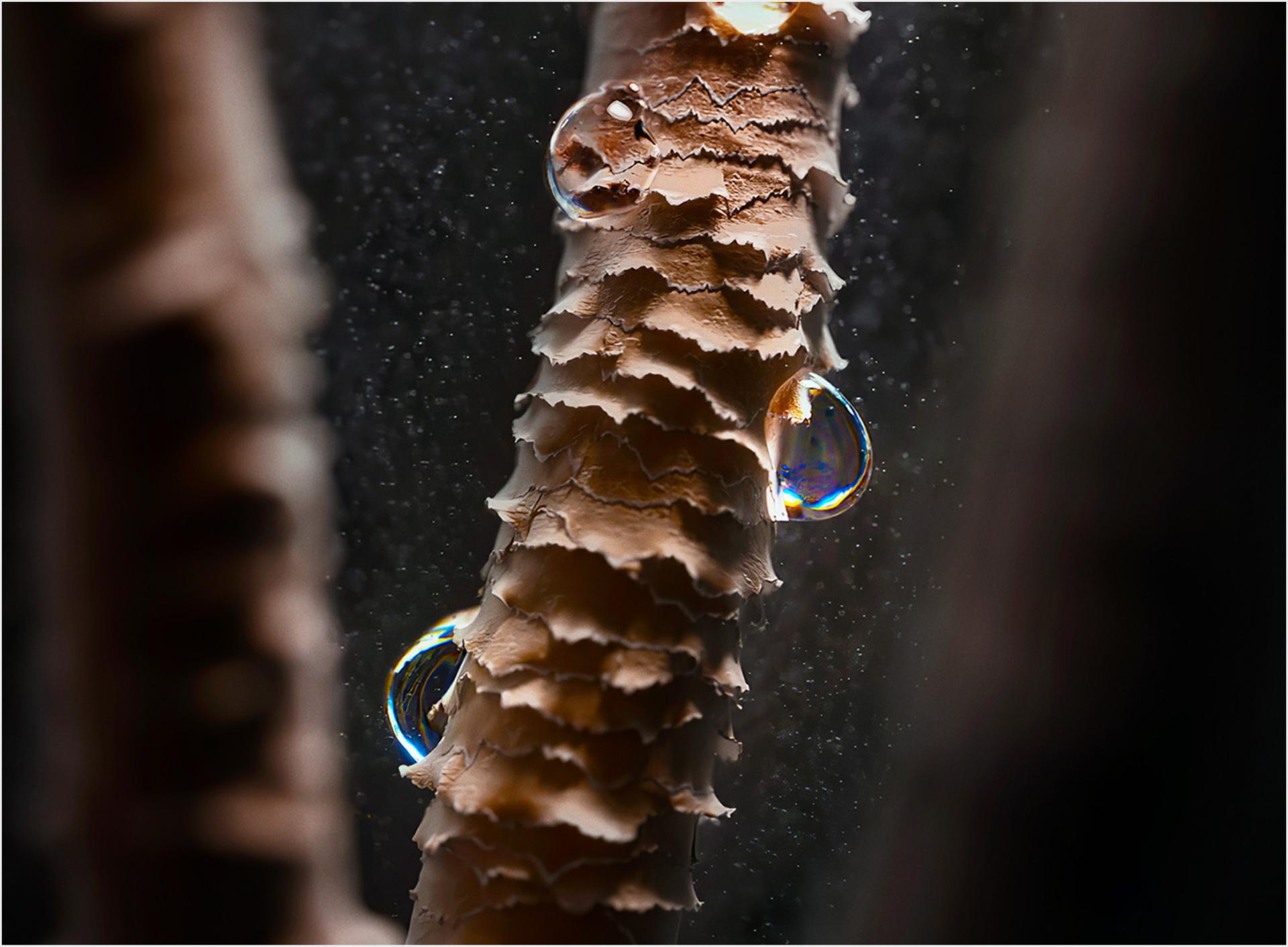 Almost as instinctively as we understand blood or heart health, we’re now familiar with the hydrolipidic film – that thin, protective layer composed of sebum (skin oil) and sweat on our hair shafts and scalp. It creates a natural barrier against environmental aggressors, locking in moisture, and maintaining the hair’s pH balance. Damage to this vital outer layer – whether through harsh shampoos, environmental stressors, or heat styling – is where much of our fascination begins. It’s the first line of defence, a microscopic shield whose integrity dictates whether our hair strands remain resilient or brittle, sleek or frizzy.
Ampere’s Role: Charge Matters
 Ever wonder why some styles last longer with less product? Enter the ampere – a fundamental unit measuring electric current, and crucially, it relates to the science behind static electricity. This isn’t mere folklore. Ionic technology in hair dryers and styling tools (like many flat irons seen in salons today) utilizes negative ions (negatively charged particles). Their role is twofold: they help to neutralise positive ions (positively charged particles) generated by heat, which can lift the cuticle (hair’s outer layer). This smoothing effect reduces frizz significantly but also aids in drying time by attracting moisture molecules to the negative charge. Understanding that manipulating even something as subtle as electric charge can dramatically alter hair’s appearance and manageability adds another layer to our appreciation of hair care science.
Beyond Hydration: Taming Hydrolysis
 Healthy hair requires more than just looking full of volume and shine; it requires internal strength. At the microscopic level, within each medullary, cortex, and cuticle lies a complex protein structure. Keratin, the primary protein, provides the hair shaft’s resilience. Yet, like our muscles and skin, hair can be weakened. Constant heat exposure, harsh chemical treatments, and even environmental damage can lead to a chemical reaction similar to hydrolysis within the hair’s cortex. Think water mixing with fabric, causing it to break down. In hair, excessive water or chemical activity can lead to the breakdown of keratin proteins, resulting in weak bonds, brittleness, split ends, and dullness. This process explains why damaged hair feels rough and lacks its natural bounce – the structural integrity compromised by microscopic breakdown over time.
Antioxidant Allies: The Science of Protection
 Just as our bodies fight internal battles with antioxidants to combat free radicals (unstable molecules that cause cellular damage), the science extends to our hair. Environmental pollution, UV radiation, and even harsh shampoos can introduce oxidative stress, triggering molecules to become free radicals within the hair structure. These unstable entities can damage the hair’s proteins and lipids, leading to colour fading, weakening of the structure, and increased dryness. Conditioners and even certain heat protectant serums often contain ingredients designed to neutralize free radicals – acting as antioxidants – thereby protecting the hair’s internal machinery from external threats and slowing down premature aging, as indicated by their ingredients like panthenol or hydrolyzed proteins.
Mechanics of Styling: Reducing Friction Naturally
 Friction, that invisible enemy during brushing or towel-drying, can be a significant cause of hair breakage, especially for dry or fragile strands. This leads us to another fascinating aspect: the science of slipperiness. Ionic technology, discussed earlier, helps by smoothing the cuticle and making the hair surface less friction-prone due to its negative charge repelling other negative charges. But it also involves something known as slip technology or friction-reducing agents in some styling products. These agents work by providing lubrication at a microscopic level, reducing the drag on the hair strand during movement. Whether naturally occurring ions or externally added conditioning agents, understanding the mechanics of reducing friction helps us grasp why some treatments feel effortlessly slippery, gently detangling without pulling or breaking vulnerable hair fibres.
Preventing Premature Aging: The Haircare Continuum
Maintaining healthy hair is often seen as a preventative measure against perceived aging. And the science backs this up. By protecting the natural hydrolipidic film, supporting the structural integrity of keratin through smart styling and conditioning, neutralizing damaging free radicals, and minimizing friction-induced breakage, we are essentially nurturing the hair’s cellular structure and delaying the outward signs of wear and tear. Healthy hair contributes to an overall sense of vibrancy and well-being. This intricate blend of biology, chemistry, and even physics underpins the simple desire for beautiful, strong hair, transforming a common hair care question into a fascinating journey through the science of ourselves reflected in our strands.