

Dive into the vibrant world of hair color, where boundless possibilities await every aspiring stylist and color enthusiast. But before you reach for that bottle of dazzling blonde or dreamy pastel, pause and consider—hair dyeing isn’t just about achieving a new look; it’s a transformative process that demands thoughtful preparation. As someone who cherishes the power of hair to enhance our confidence and express our individuality, I’ve learned that understanding the depths of color transformation is just as crucial as the artistry involved. With a mix of excitement and a healthy dose of realism, let’s explore the essential truths about hair dyeing, moving beyond the glossy magazines to uncover the real story behind that perfect pigment.
The Science Behind the Shine: Hair Structure and Condition
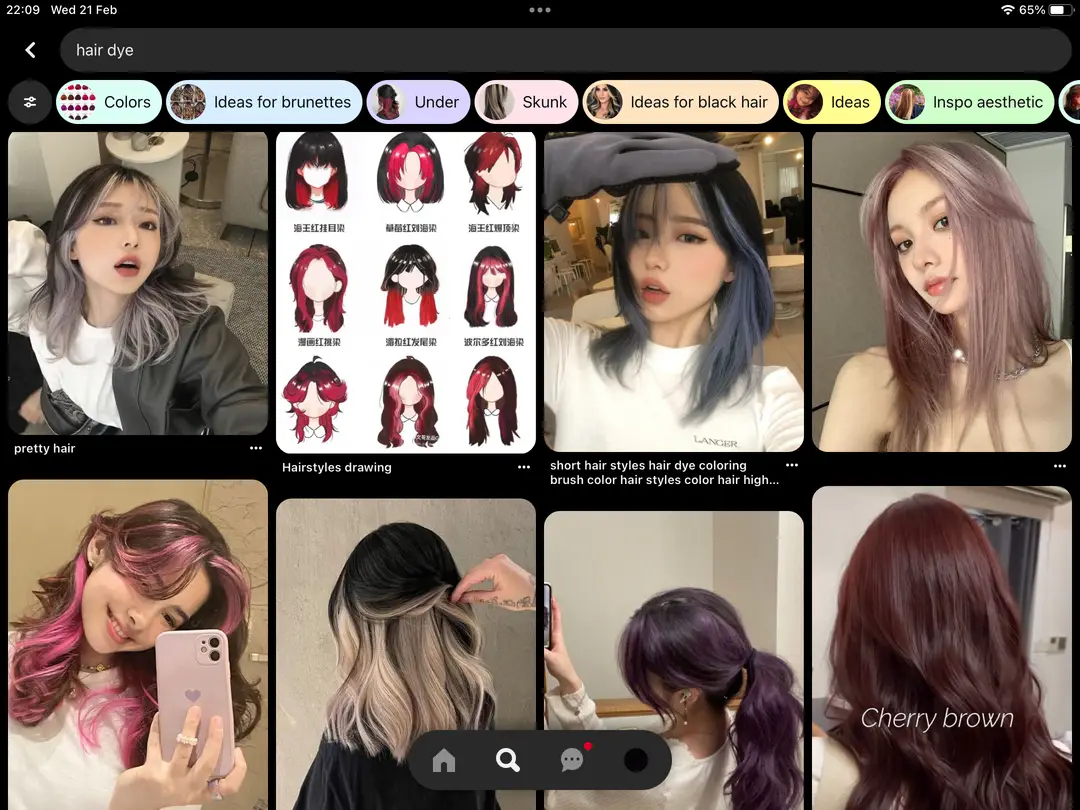 Every hair on your head tells a story, especially its structure. The journey into color begins with understanding hair anatomy—more specifically, the porosity and elasticity of your strands. Hair is a three-dimensional structure composed of the cuticle (outer layer), cortex (middle layer where pigment resides), and medulla (inner core). Think of the cuticle like the scales of a fish; its health directly affects how color molecules penetrate and adhere. A damaged cuticle will resist dye, leading to patchy or faded results, while a healthy cuticle allows for vibrant, long-lasting color. Before applying any formula, assess your hair’s health. Is it porous? Resistant? Understanding these attributes helps you choose the right technique and product.
Eyes Wide Open in the Styling Stylist: Compatibility with Skin Tone
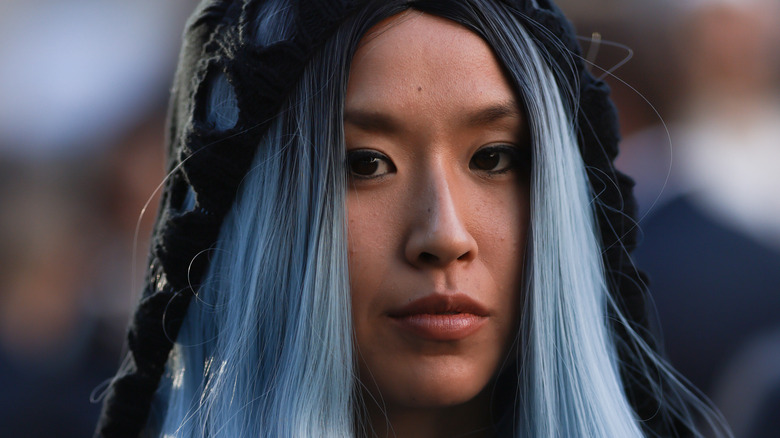 Picture this: you’ve finally found that dreamy pastel blonde or a striking ombre shade, but when the stylist runs the sample by your skin tone, it looks dramatically different in real life. Hair color isn’t a one-size-fits-all endeavor. Your skin tone plays a pivotal role in determining which shades complement your unique features. Remember the golden rule: colors look best when they harmonize with your skin, eyes, and natural undertones. A radiant copper red might flatter one complexion but clash with another, turning your vibrant change into a temporary frustration. Exploring swatches and understanding undertones (warm, cool, neutral) can bridge the gap between digital pigment chart and your natural canvas.
From Bottle to Bloom: Color Families and Their Personalities
 The hair color aisle can feel like a bewildering kaleidoscope of tones, textures, and names. Beyond the basic terminology, color families offer a framework to navigate this chromatic challenge. Think beyond brunettes, blondes, and redheads. Consider the nuances—vintage browns, sun-kissed golds, icy blues, even neon electric hues! When looking to go blonde, whether it’s a subtle lightening or a dramatic platinum, understanding the level of lift needed (the number of shade levels to cover natural pigment) is essential. Too dramatic a change requires conditioning steps to protect against dryness, while root retreats demand specific formula consistency for patchy-free regrowth. Choosing the right family ensures you’re building the foundation for that perfect shade.
The Price of Pigment: Beyond Beauty into Investment
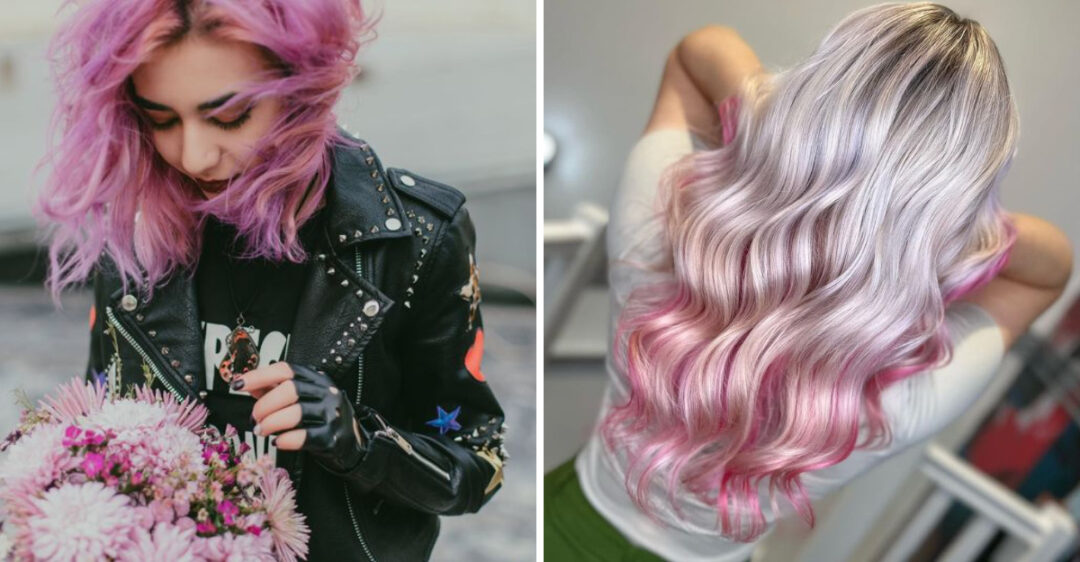 “That box says ‘ammonia-free’? Does that make the color cheaper?” Many assume hair color is a uniform commodity, but the truth is far more complex. The world of hair dyeing splits into a spectrum of formulas: temporary, semi-permanent, demi-permanent, and permanent. Each promises varying longevity, coverage capabilities, and health implications. While cheaper store-bought colors offer initial spark, investing in higher-quality salon products often translates to better adherence, less root regrowth, and healthier strand-to-string integration. Don’t be surprised when premium brands command a price premium; this often signifies better penetrating power, less harsh chemicals for your strands, and superior overall results. Sometimes, an investment in pigment means longevity beyond your wildest dreams, or at least preventing an early salon redo.
Your Hair’s New Chapter: The Commitment to Care
 Imagine achieving the perfect, vibrant cascade of color only to have it fade like magic smoke over weeks. What breaks down your hair’s bond? Color treatments work by altering the natural cuticle, making your hair temporarily porous. This isn’t a permanent scar, but without dedicated aftercare, your vibrant investment starts to degrade. Sun exposure bleaches out pigment faster, leaving unpredictable streaks. Certain shampoos, conditioners, or styling tools can strip the color layer by layer. Your commitment extends beyond the initial salon visit. Armed with sulfate-free shampoos, color-depositing conditioners, and perhaps home color-refreshing treatments, you must act as an ambassador for your hue. Remember, choosing to dye your hair is an act of self-expression, and maintaining that chosen expression requires a parallel commitment to nurturing your colored strands back to their best.