
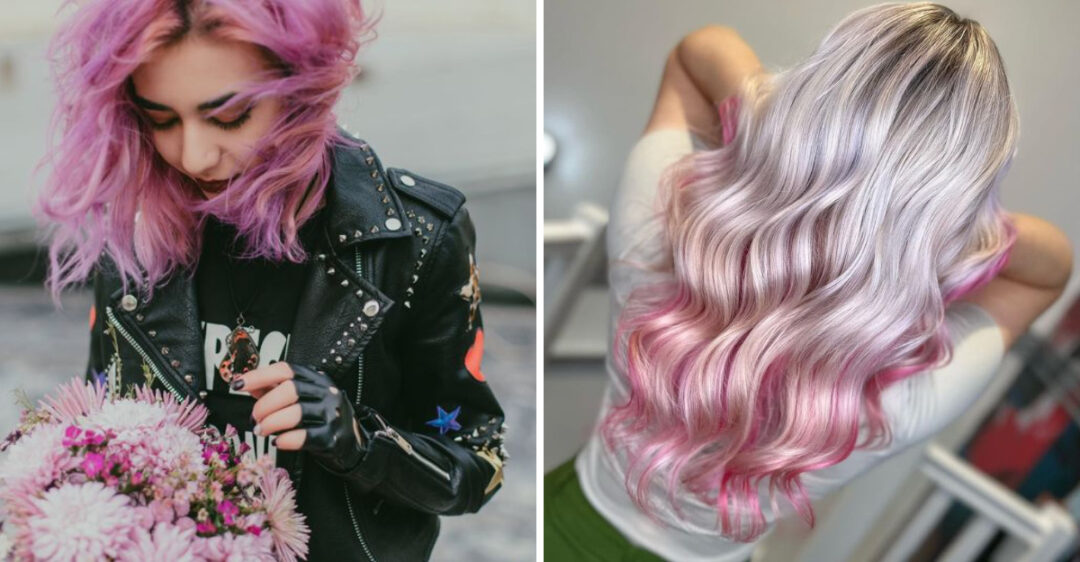
There’s a glitzy allure to that perfect hair color – a vibrant shade, a seamless blend, a new look that feels like a fresh start. But what if I told you that beneath the excitement lies a web of persistent myths and outdated ideas? We’ve all heard whispers, maybe even succumbed to misconceptions, thinking certain hair coloring scenarios were off-limits or guaranteed to spell disaster. As someone passionate about unlocking your hair’s best color potential, it’s time to cut through the noise and establish some undeniable truths.
Here are crucial insights you might not have considered, especially when thinking about transformative colors like pastels or coloring relaxed hair textures: Let’s Dab, Don’t Dye—Understanding Pastel Precision
Those ethereal pastel whispers seem almost magical, like clouds blooming on your hair. But diving into that soft peach or dreamy lilac requires more finesse than a simple application. The biggest hurdle isn’t just finding the perfect hue, but achieving that desirable ‘dabbed’ or ‘stained’ effect rather than a harsh, opaque dye job. This approach respects your natural color base, blending the dye subtly for a ghostly glow rather than a flat, bright overlay. The key players here are quality, buildable color products specifically formulated for deposit-only application, and meticulous execution. This is where technique becomes paramount – working in thin, translucent layers is non-negotiable. It allows the color to breathe and reflect the light beautifully. This precision requires a skilled hand, focusing on soft, even strokes rather than full saturation. It’s not about maximum pigment lift; it’s about the delicate dance of deposit to achieve that coveted, hauntingly beautiful pastel effect.
Persistence Pays: Bleaching Is Non-Negotiable for True Pastels
Imagine reaching for that stunning sky blue or that neon mint green you’ve dreamed of – but hold on, maybe you think you can skip the bleach step because your base color seems close enough? Thinking this way can be a trap woven with the fine threads of disappointment. Achieving those striking, light-as-air pastel shades often demands a foundation of near-white hair. The vibrant core of true pastels relies on lifting your natural pigment to a very high level, which allows the minute, light-reflecting particles of these unique mica-based pigments to capture the light freely. Skipping or rushing the lightening process short-circuits this effect. The resulting color will likely be muddy, dull, or uneven – a flat disaster rather than a fantasy fulfilled. Bleaching, when done correctly (and always with precision and care by a skilled stylist), is the foundational step that unlocks the door to those truly luminous pastels. It might seem counterintuitive – removing pigment to add such light, ethereal color – but it’s a crucial, non-negotiable part of the journey towards that dream shade.
The Relaxed Hair Conundrum: Color Potential is Real
Relaxed hair, whether silkily straight or gently waved, possesses undeniable color potential. The common misconception that you somehow cannot color relaxed hair seems almost stubborn. While you might have heard about potential issues unique to certain chemical textures (like permanent chemical relaxers, not the temporary, heat-based treatments some brands offer), this shouldn’t discourage you from exploring new shades. The key lies in understanding that relaxed hair, once colored, undergoes the same fate as any dyed hair – the color will fade, requiring touch-ups. The texture of the hair doesn’t fundamentally prevent color penetration or adhesion *unless* the hair has been permanently altered, in which case treatments should be approached with extra care specifically suited for that hair type. So, yes, you can absolutely dye relaxed hair. It just requires informed choices about product type, processing time, and understanding the post-color care specific to both your new color and potentially, your unique relaxed texture.
Mastering the Art: Things You Need to Know Before Dyeing
The internet is saturated with lists of the “things you need to know before dyeing your hair.” While these are helpful resources, their sheer volume can be overwhelming, and crucial details can get lost or repeated ad nauseam. Amidst all the advice, the truly essential factors stand out: strand test, accurate strand swatch (not just a quick peek in the mirror), understanding your hair’s current condition (especially porosity and elasticity), and selecting the right products for your hair’s specific needs and desired outcome. Don’t just skim the articles – absorb the key points tailored to your hair situation. Are you aiming for a subtle change or an extreme color shift? Hair type (porous, resistant, relaxed, textured) dictates processing times and product choices. Proactive consideration, informed by these core elements, transforms a potentially stressful experience into a more controlled and satisfying one.
The Confidence Makeover: Why Knowing Beats Worrying
Walking into a salon for a hair color transformation involves vulnerability. Will the stylist truly understand your vision? Will the color be flattering? Will my hair survive the process? Worrying about these elements can be paralyzing. However, shifting your perspective towards prepared knowledge significantly boosts confidence. Do your research. Understand the difference between temporary and permanent color, oxidative and permanent processes, and the specific ingredients (like ammonia-free vs. ammonia) that suit different needs. Knowing what questions to ask a stylist (“Are you noticing any porosity issues here?”, “Based on my natural color and desired result, what level of processing would you anticipate?”, “Do you recommend this specific product line for my hair’s sensitivity?”) empowers you. Informed questions also ensure proper strand swatches. When you arrive armed with this understanding and evidence (your swatches), the conversation becomes collaborative, less anxiety-inducing, and far more effective in achieving the stunning, healthy hair color transformation you desire.