

Hair is more than just strands of keratin; it’s a symbol of vitality, style, and self-image. We spend a lifetime watching it grow, change, and transform. It’s no wonder, then, that we seek ways to make it longer, stronger, and healthier. The world is flooded with products, treatments, and secrets promised to cure hair woes and unlock unimaginable growth. But navigating the sea of information about “hair growth myths” can be overwhelming. Many claims are captivating precisely because they tap into a deep-seated desire: to effortlessly achieve the long, lustrous locks admired in magazines and celebrity sightings. Our fascination often stems from vanity, a desire for youth, or perhaps the allure of a simple solution to complex biological processes. Understanding the facts requires looking beyond the hype and separating evidence-based advice from pure fantasy.
The Magic Potion Myth: What Really Works
 The idea of a single serum, oil, or tonica that can magically make you go from collarbone-length to waist-length overnight is intoxicating. We’re bombarded with celebrity endorsements, “clinical results,” and seemingly miraculous transformations, breeding immense hope. This myth might capture a part of our collective desire for a quick fix. Our fast-paced society often favers convenience, and hair, despite its biological nature, is no exception. Yet, for most people, hair growth is primarily determined by genetics, age, hormones, and overall health. It proceeds at a relatively consistent rate for our individual hair type. While targeted treatments might improve scalp health, prevent breakage, or address nutritional deficiencies that *hinder* natural growth, no single product will dramatically accelerate hair growth for everyone. Real transformation takes time, consistency with a balanced diet, proper hair care, and understanding one’s specific hair needs.
The “Cutting Makes It Grow Faster” Fallacy
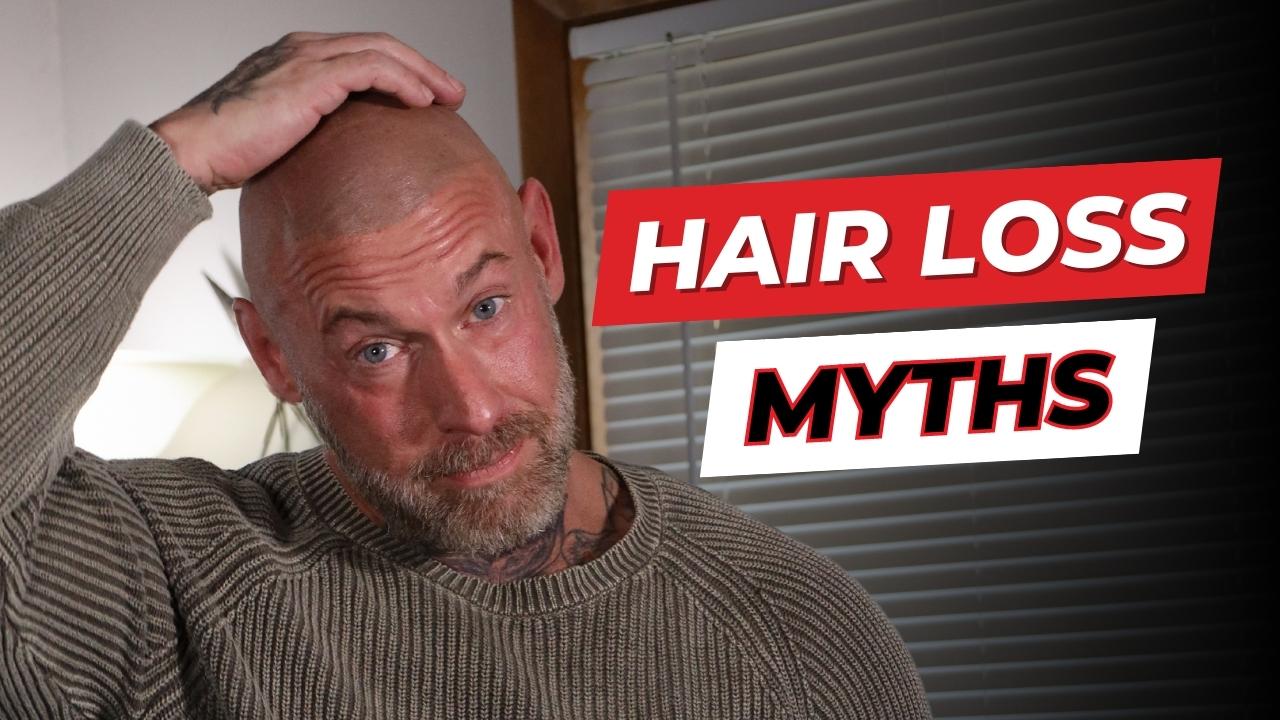 Have you ever heard the advice, “Use a sharp pair of scissors and cut off the damaged ends to let your hair grow faster?” Or perhaps the sentiment behind regular trims being essential for hair health, despite not directly speeding growth? This myth likely arises from a desire to maintain hair in perfect condition, ensuring every single strand is contributing optimally to that long desired length. Damaged hair is fragile and prone to breakage, which is the enemy of length, not slow growth. Trimming removes split ends, preventing breaks further up the shaft. A break here doesn’t mean the hair *regrows* faster elsewhere; it simply means that one unfortunate strand doesn’t derail the overall growth process. Keeping hair healthy by preventing breakage allows the natural growth rate to be achieved more effectively, showing up as more length over time. However, a haircut itself makes no physiological change to the hair follicle that will magically increase the growth rate of the new hair that grows in. Your natural hair, underneath the faded ends, grows at its predetermined pace regardless of a trim.
If You’re Not Spending, You’re Not Gaining: The Price Myth
 We live in a world saturated with branding and consumerism, where the highest price often signals the best quality. Applied to hair care, this can mean equating a steep price tag with guaranteed superior results or even accelerated growth. The allure is understandable – if splurging money leads to the desired outcome of long hair, isn’t that the ultimate return on investment? This myth stems from effective marketing, which focuses heavily on premium pricing without always conveying the lack of proven direct growth acceleration for most high-end products beyond luxurious feel and advanced scalp care features. While splurging on quality products and treatments might prevent damage or nourish the scalp, leading to healthier-looking hair (which we might misinterpret as faster growth), it’s not a surefire method to defy genetics. Furthermore, many expensive treatments, like scalp microneedling or laser hair growth devices, do have some scientific basis and can work for some individuals, but results aren’t universal and can vary greatly, sometimes requiring significant expense without guaranteed outcomes. Value isn’t solely determined by price; research, gentleness, and suitability for your hair type matter more.
Genetics Are Destiny: The Fixed Potential Myth
 It’s easy to define ourselves, at least in part, by our appearance. Our hair type and perceived potential for length are often viewed through the lens of genetics passed down from our parents, creating a sense of unchangeable destiny. This myth suggests that our maximum viable hair length is predetermined, making the pursuit of longer hair seem biologically futile. This perspective might stem from a desire to understand the world in absolute, deterministic terms, or perhaps from feeling constrained by physical limitations. However, while genetics do play a significant role in determining hair texture (fine, medium, coarse), hair color, and the general hair type (scalp environment, oil production), they usually do *not* set a hard cap on length. These factors influence how easily hair responds to environmental stressors or becomes damaged by heat or styling, which can impede growth *if* damage occurs. Furthermore, hair growth rate is more commonly influenced by age and individual health than a strict genetic limit. People defy expectations every day by achieving lengths that seem improbable. Proper care, patience, and avoiding damage can unlock lengths often closer to what many believe their *genetic potential*, rather than a fixed limitation.
The Wig Interferes Myth
 For many, natural hair, particularly textured curls or kinky hair types, can be challenging to manage and grow out without breakage. Protective styles, including wigs, become a crucial tool not only for managing texture and trauma but also for preserving length achieved over time. This leads to a tempting question: are wigs ultimately hindering, or is it simply a strategic pause in the growth narrative? A common myth suggests that wearing a wig traps heat or humidity, or puts constant pressure on the scalp, somehow inhibiting the growth cycle of the underlying natural hair. While ill-fitting wigs or excessively heavy styles can cause temporary traction alopecia or discomfort, the claim that a well-worn, comfortable wig universally impedes the *natural* growth cycle of the scalp and follicles underneath it is not supported by fact. The hair follicle, the cellular engine deep within the skin, is located beneath the scalp surface and isn’t directly affected by the external weight or presence of hairpieces, unless pulled too tightly. Taking breaks from wearing your own hair, including protecting it at night, is often recommended to let it breathe and maximize growth, but wearing a wig during the day doesn’t inherently stop your natural hair from growing. The goal should be minimal, gentle wear with breaks to allow the hair to reach its full potential, like any other beneficial hair practice.