
Hair growth has long been a subject of fascination, drawing attention from those who notice early grays or thinning strands, to individuals simply curious about enhancing volume and health. We’ve all seen the advertisements promising miraculous results or read testimonials claiming a “secret” to perfect locks. But why does this topic capture our collective interest so profoundly? Beyond vanity – the desire for that perfect, flowing mane – there’s often an underlying layer of concern about aging, health, or the subtle communication non-verbal cues our hair sends about our well-being. Observations about hair health statistics, perhaps seeing family members dealing with hair thinning or reading about rising rates of diagnosed hair loss conditions, can fuel this widespread interest. It’s this blend of aesthetic desire, genuine health worry, and statistical trends in hair concerns that makes the search for the “most effective” treatments both common and deeply compelling.
The Science Behind Nutrient-Based Hair Treatments
 Our own hair is a protein structure, primarily composed of keratin. Given this, treatments focused on delivering key proteins and building blocks directly to the hair follicle or systemically through the bloodstream gain significant traction. Nutrients like biotin, niacin, B vitamins, and certain minerals are often highlighted, sparking interest in “hair vitamins” and targeted supplements. The hypothesis that providing the building blocks might support healthier, fuller hair addresses a fundamental aspect of biology, perhaps hinting at why deficiency states, even mild, might contribute to poor hair health, despite the complex interplay of genetics and scalp environment. This nutritional angle offers a seemingly natural path to understanding and ameliorating hair concerns.
Treating Hair Loss: From Clinics to Counter
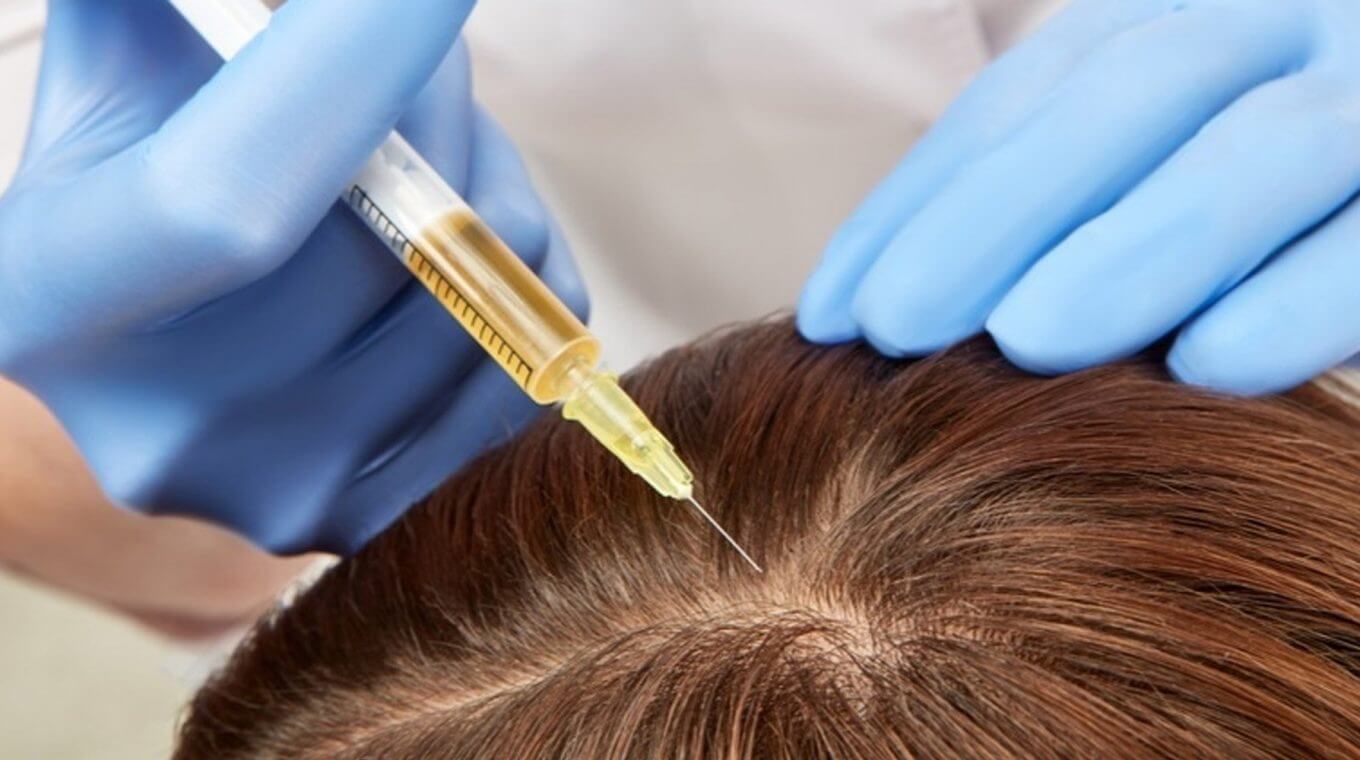 The distinction between “hair loss” and “hair thinning” is often blurred in public discourse, but treatments are typically geared towards both. Vera Clinic, among others, addresses “The 3 Most Effective Hair Loss Treatments,” shifting the focus from potential myths to proven approaches often found in medical aesthetics. This includes FDA-approved treatments like minoxidil and finasteride, low-level laser therapy, and sophisticated hair analysis. The “clinic” aspect lends credibility, addressing a deep-seated fear – permanent baldness – with scientifically backed interventions. Public interest in these treatments underscores a move towards validation and effective solutions for issues that impact self-esteem and are linked by common observation to broader health considerations.
Addressing Specific Alopecia Patterns: The Temples
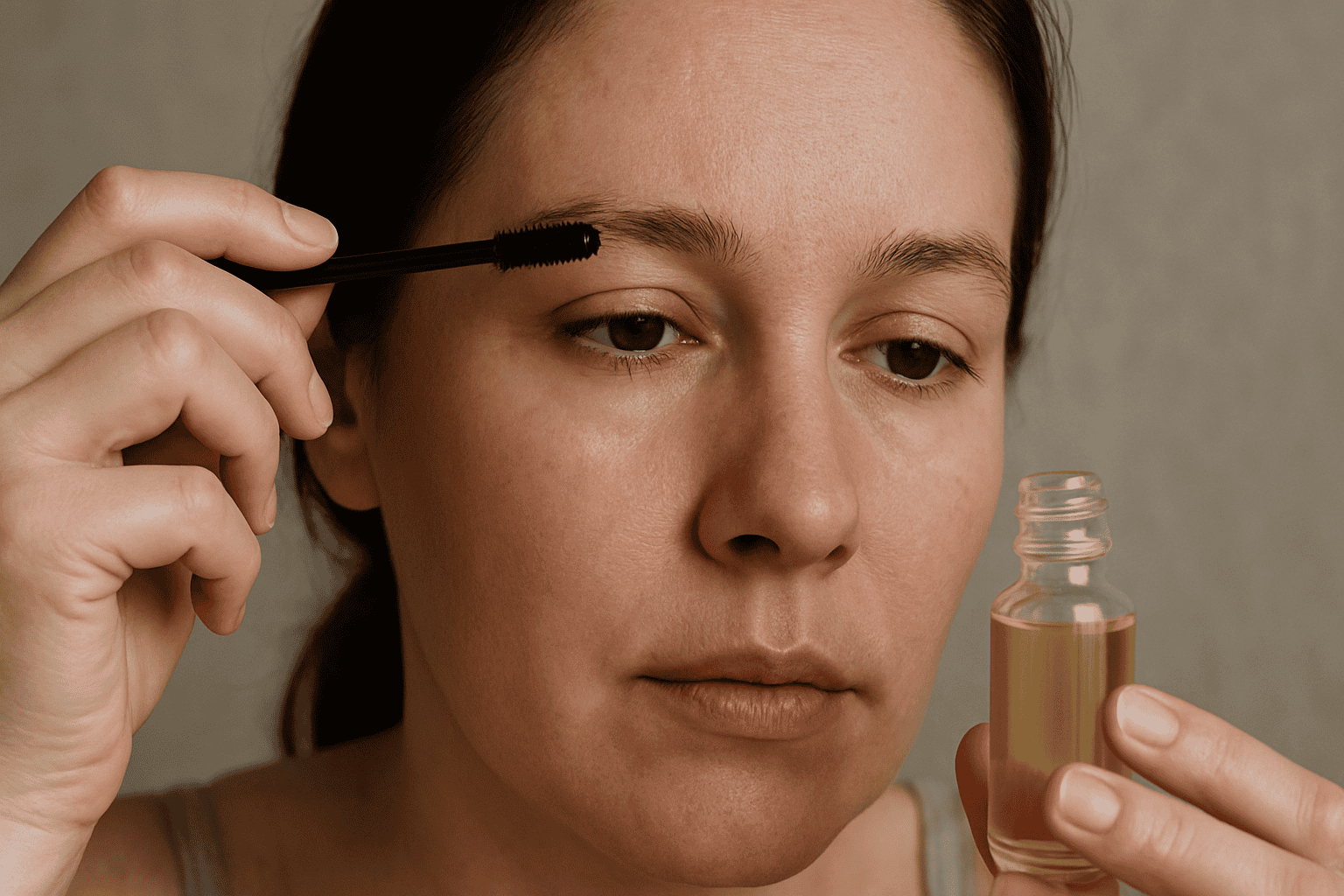 While general hair loss treatments exist, patterns like those occurring at the temples can be particularly distressing and are a focus of specialized clinics. This targeted approach suggests that even within the broader umbrella of hair issues, specialized treatments are emerging (aventusclinic.com). This is fascinating because localized hair loss can sometimes be an early indicator of underlying health conditions or simply a distinct pattern of androgenetic alopecia. Understanding the nuances – causes, prevention strategies, and tailored treatments – for specific areas like the temples speaks to a deeper public desire for precision solutions and acknowledges that every individual’s hair story might have unique chapter headings.
Unlocking Potential with Natural Ailments
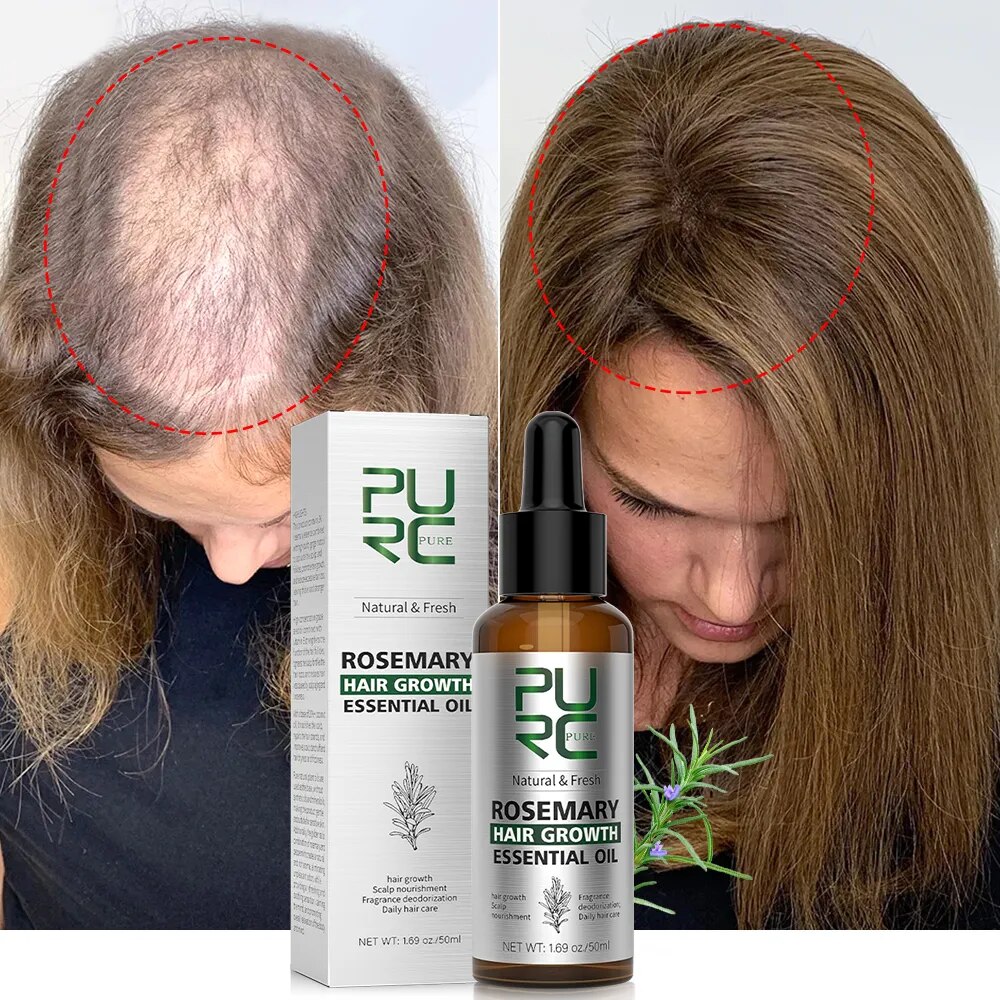 Nature provides a wealth of potential allies for hair health, from ancient herbal remedies to modern essential oils. The use of ingredients like rosemary (“Transform Your Hair with Rosemary Essential Oil”) taps into a blend of historical wisdom and contemporary wellness trends. As interest in holistic health grows, treatments derived from plant sources gain significant appeal. While scientific evidence for such oils often leans towards improving scalp circulation and invigorating the sense of smell (potentially making hair feel healthier), the underlying fascination remains. It suggests a cultural shift towards seeking solutions from natural sources, blending anecdotal evidence with a renewed respect for botanical knowledge in our pursuit of stronger, fuller hair.
Tackling Chronic Pain: Is It Affecting Your Hair Health?
 Beyond direct hair treatments and nutritional support, the overall health of the individual significantly impacts hair vitality. Chronic pain, often linked to conditions that induce high levels of stress, can paradoxically contribute to hair thinning (telogen effluvium in stress). This connection between pervasive health issues and hair health highlights a crucial, often overlooked, aspect of the discussion. Treating the root cause of stress and pain, perhaps through neurological strategies and chronic pain management, becomes indirectly, but vitally, important for achieving the hair growth statistics one might aspire to. This comprehensive view acknowledges that vibrant hair is more than a cosmetic goal; it can be an indicator and even influenced by generalized wellness.