
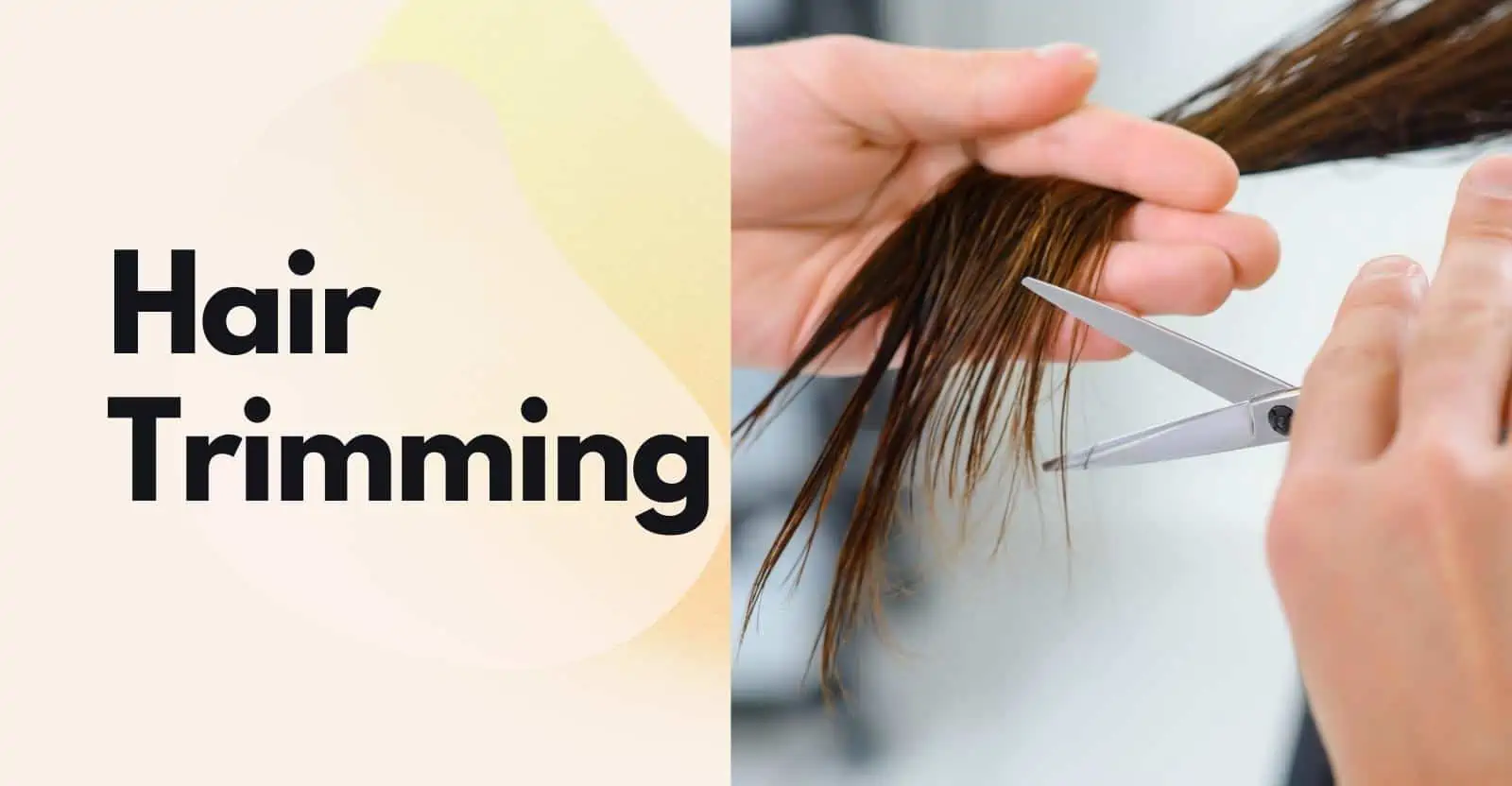
The ancient world whispered tales of wigs, potions, and rituals that could unleash a torrent of lustrous locks. And then there are the modern myths, passed down through generations on blogs, forums, and gossip columns, promising secrets to hair transformation. One particular legend blares from headlines and beauty advice sites with astonishing consistency: “Cutting your hair makes it grow back faster!” Think of it – a simple snip, and suddenly you’re rewarded with accelerated growth. As someone who’s probably heard this promise countless times, you might be tempted. This article acts as a truth detective, diving into the evidence surrounding this popular hair myth. We’re about to separate fact from fiction, exploring the science and dispelling the confusion once and for all.
Does Trimming the Ends Actually Stimulate Faster Growth?
 At the heart of the “hair cutting equals faster growth” myth is the idea that the act of removing the ends somehow sends a biochemical signal to the hair follicle or stem cell niche at the base of the scalp, instructing it to accelerate the growth phase. This notion suggests a direct interference by cutting with scissors, the same way one might prune a plant to encourage new, faster vegetative growth. The premise, however, relies on a misunderstanding of the fundamental biology of hair growth. Unlike living things that can be physically stimulated (like pruning a bonsai tree), hair growth doesn’t work this way. Our hair follicles, hidden deep within the skin, house the cells responsible for producing the hair shaft. The rate and duration of hair growth are primarily dictated by genetics, hormones, and nutritional status, operating independently of the hair’s outward appearance and condition. Cutting or trimming only removes the dead, keratinized protein that has already reached the surface.
The Brush Myth: 100 Strokes a Day Truly Benefits Hair?
 Alongside the cutting myth lives another concerning piece of advice: diligently brushing your hair a specific number of strokes, like the claimed 100 per day, is essential for promoting blood circulation to the scalp, keeping hair hydrated, untangling strands, and ultimately making it healthier and stronger. This idea gained traction through a common piece of misinformation that unfortunately conflated a simple observation (clean, well-brushed hair) with a scientifically unsupported cause-and-effect relationship (brush strokes equal growth). While gentle brushing or combing, particularly detangling wet hair gently, can indeed help distribute natural scalp oils (sebum) to the ends and avoid breakage, there’s no scientific evidence indicating that any specific number of strokes directly stimulates hair growth or strengthens the hair at its root. Hair breakage (pulling out at the root) is distinct from normal shedding (telogen phase loss). The claim that brushing stimulates a particular number of follicle-creating cells, or enhances circulation dramatically to boost anagen (growth) phase duration and thickness, is biologically inaccurate. The primary benefit of brushing lies in maintaining hair hygiene and preventing damage, not in accelerating growth from the follicle.
The Enduring Appeal of the Hair Growth Legend
 The powerful myth surrounding cutting hair persists despite its lack of biological grounding. Why? People often desire the truth in neat, easily digestible packages. The idea that a simple, quick action (getting a haircut) yields a clearly beneficial result (faster hair growth) is appealingly straightforward. It offers an illusion of control over hair’s natural course. Furthermore, when new hair begins to grow after a significant cut, the visible length appears faster because the remaining bulb (root) is shorter initially. This visual effect – quicker apparent growth – can mislead the uninitiated into thinking something fundamental has changed, and they often attribute it to the cutting itself rather than simply noting the reduced reference point as the new baseline. This confirmation bias – favoring information that confirms preexisting beliefs – reinforces the myth because people readily interpret the return of hair growth as proof that cutting stimulates it.
Hair Length Illusion vs. Actual Growth Rate
 The illusion of accelerated growth is perhaps the most potent element fueling the myth. Imagine diligently waiting for your hair to grow from, say, shoulder length, a process potentially taking years depending on individual hair type and growth rate. Your patience wears thin. You schedule a drastic trim, cutting off several inches. Suddenly, as new hair begins to emerge from the newly exposed base, it stands out remarkably. Initially, the new growth looks much faster because it is vastly shorter than the surrounding hair which, for reference, is still at its original, longer length. It’s akin to looking at a freshly seeded garden plot next to one that is already fully established and mature. The new grass in the trimmed plot appears to grow far more rapidly simply because it has a different starting point. This optical illusion can make one mistakenly believe that the cutting event itself caused the perceived acceleration. But the absolute rate of growth per day or per month remains unchanged; the perception is altered by the visual baseline.
The Science in Our Hair
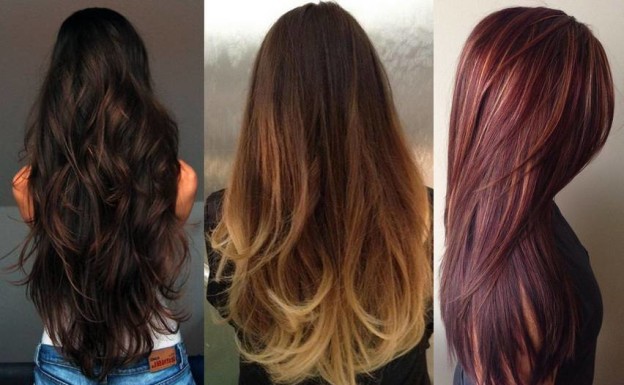 The fundamental biological reason cutting doesn’t affect growth rate lies in the location of the active growth process. Hair growth is an internal, cellular activity that occurs deep within the dermal papilla of the hair follicle at the base of the scalp. These cells synthesize proteins, differentiate, and gradually push older cells outward, forming the hair shaft. This process, controlled by a complex interplay of genetics, hormones, and nutrition, is fundamentally independent of any external manipulation at the ends of the hair. Cutting these dead, keratin structures simply removes them; it doesn’t influence the metabolic rate or the division rate of the cells responsible for producing more hair. Your hair grows at a certain speed from the follicle, regardless of whether the ends were trimmed, styled, colored, or left unaltered. The rate remains constant. Therefore, while regular trims are essential for maintaining the hair’s overall health by removing split ends and preventing breakage (which can mimic faster loss), they play no direct role in altering the intrinsic rate or duration of hair growth from the follicle itself.