

Managing weight effectively often involves understanding the concept of high-density cuts in your diet and training regimen. High-density cuts refer to methods where nutrient-dense foods and strategic weight-cutting techniques are utilized to reduce body fat while maintaining muscle mass and overall health. Different types of content surrounding this topic provide valuable insights ranging from scientific explanations and nutritional advice to practical strategies used by athletes. Below, we explore several perspectives on high-density cuts and weight management to offer a comprehensive guide.
Understanding the Role of Adipose Tissue in Weight Cutting

How to Follow a Cutting Diet for Weight Loss
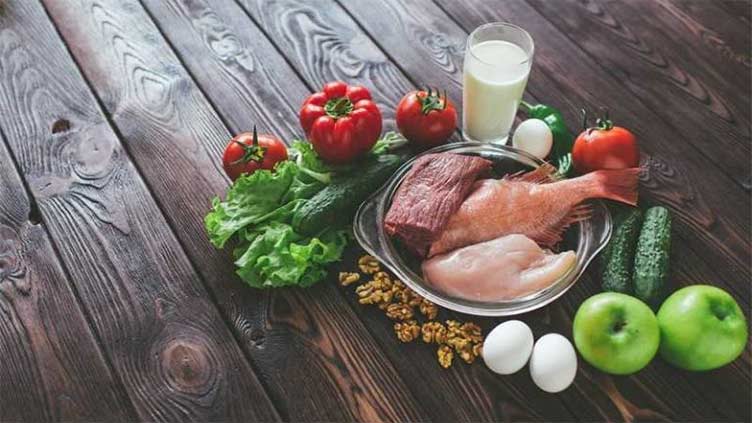 A cutting diet is essential when performing high-density cuts as it focuses on reducing calorie intake while ensuring sufficient nutrients. Typically, cutting diets emphasize lean proteins, low-glycemic carbs, and healthy fats, tailored to support muscle retention and fat loss. Proper hydration and meal timing also play significant roles. By following a strategic cutting diet, individuals can minimize muscle loss and maintain energy levels, improving overall sustainability and effective weight management.
Effective Weight Cutting Techniques for Powerlifting
 Powerlifters often engage in high-density cuts before competitions to make weight classes without sacrificing performance. Techniques include manipulating water intake, adjusting macronutrient ratios, and timing meals closely to workouts. High-density cuts in this context rely heavily on scientific methods such as carbohydrate cycling, electrolyte balance, and controlled dehydration to achieve rapid but safe weight loss. These approaches highlight the importance of professional guidance and careful monitoring throughout the process.
How Weight Cutting Works: Insights from Expert Blogs
 Weight cutting mechanisms involve complex physiological responses, including glycogen depletion, water loss, and fat reduction. Expert blogs provide detailed analyses of how these factors interact and how different diets can be structured for optimal results. High-density cuts target maximizing fat loss while reducing unwanted side effects such as muscle breakdown and fatigue. Nutritional strategies often include nutrient timing, meal composition, and supplementation to help maintain metabolic rate and overall health during the cutting phase.
Weight Cutting Tips: Nutrition Secrets You Need to Know
 Successful weight cutting involves more than just eating less. Nutrition secrets such as the appropriate balance of micronutrients, fiber intake to maintain digestion, and strategic supplementation support a high-density cut by enhancing fat metabolism and preserving muscle. Tips include prioritizing whole foods, managing sodium intake, and understanding the role of vitamins and minerals in recovery and performance. These nuances help individuals tailor their cutoff plans, ensuring long-term weight management success without compromising their well-being.