

Thinning hair can feel like a silent rebellion—your strands whispering, “Something’s not right.” But what if the solution isn’t just in the products you slather on or the supplements you swallow? What if it’s in the scissors? Cutting your hair more often than you think might be the game-changer your strands have been begging for. Let’s shatter the myth that thinning hair thrives on neglect and discover why a trim could be the reset your locks desperately need.
When Less Isn’t More: Why Thinning Hair Needs Frequent Trims
 Thinning hair often gets trapped in a cycle of damage—split ends creep up like uninvited guests, breakage becomes a daily nuisance, and before you know it, your once-lush mane resembles a delicate spiderweb. The truth? Split ends don’t just stop at the tip; they travel upward, weakening your hair shaft and making strands more prone to snapping. Regular trims, every 6-8 weeks, act as a preemptive strike against this domino effect. By snipping away the frayed edges, you’re not just tidying up—you’re preserving length and preventing the illusion of thinning. Think of it as damage control disguised as a fresh look.
Thinning Hair’s Secret Weapon: Precision Cuts That Add Volume
 Not all haircuts are created equal, especially when your strands are already playing a losing game against gravity. A blunt cut might sound like the safe bet, but for thinning hair, it’s a one-way ticket to flatness-ville. Instead, opt for layers or a textured cut that lifts at the roots and creates the illusion of fullness. A skilled stylist can strategically remove weight from certain areas while adding subtle movement elsewhere, turning what feels like a liability into your hair’s best feature. The key? Communication. Tell your stylist your concerns upfront—they’ll know exactly how to tailor the cut to your hair’s unique struggles.
Beyond the Salon: How Regular Trims Boost Hair Health
 Here’s the kicker: cutting your hair more often isn’t just about aesthetics—it’s a health intervention. When you trim regularly, you’re also giving your scalp a chance to breathe. Product buildup, oil, and dead skin cells can clog follicles, stifling growth and exacerbating thinning. A fresh cut means a fresh start for your scalp, allowing new growth to push through without obstruction. Plus, let’s not forget the psychological boost. Thinning hair can chip away at confidence, but a well-timed trim can make you feel like you’ve hit the reset button. It’s not vanity—it’s self-care.
Thinning Hair Recovery: What to Expect When You Commit to Trims
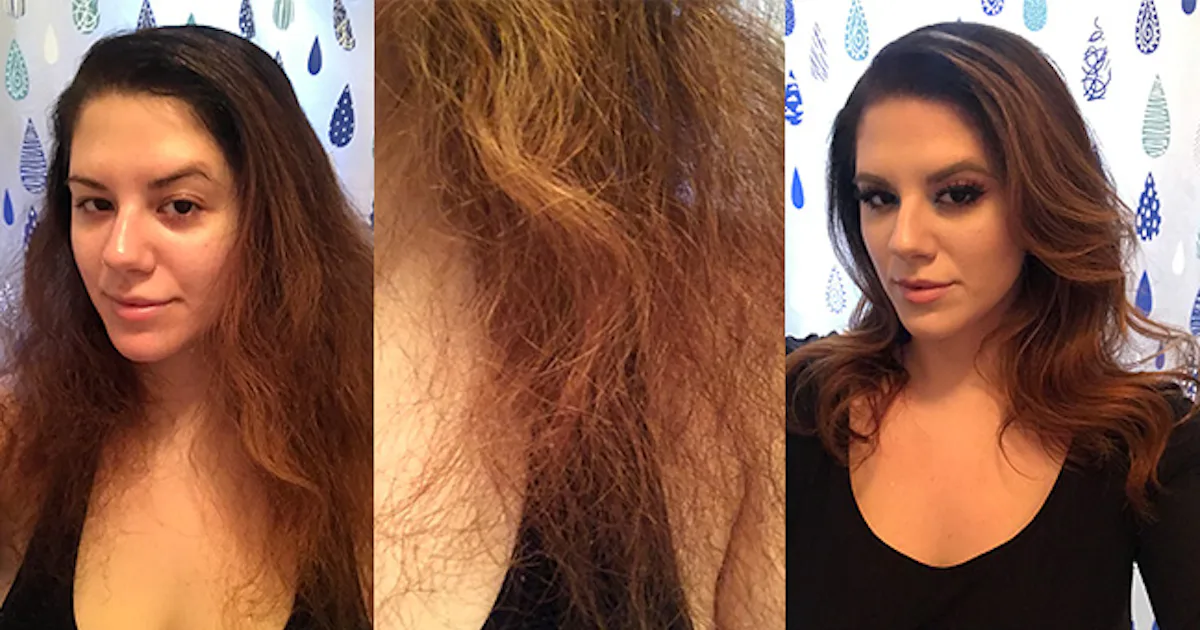 Commitment is the missing piece in most haircare routines. If you’ve been nursing thinning hair with hopes that time alone will fix it, you’re playing the long game—and losing. Consistent trims, paired with a gentle haircare routine, can dramatically shift the narrative. Within a few months, you’ll likely notice less breakage, improved texture, and even a subtle thickening effect as your hair grows out healthier. But here’s the catch: it requires patience and consistency. Skipping trims “just this once” might seem harmless, but those split ends don’t wait. They multiply, and before you know it, you’re back to square one.
Breaking the Cycle: How Often Should You Really Cut Thinning Hair?
 The golden rule for thinning hair? Every 6-8 weeks. Yes, it feels frequent, but consider this: a small snip every two months is far less daunting than a drastic chop every six months when your hair is already in distress. If you’re hesitant, start with a trim every 8 weeks and adjust based on how your hair responds. Listen to your stylist—they’ve seen this story play out countless times and know when your hair is begging for a lifeline. And remember, thinning hair isn’t a life sentence. It’s a call to action. The right cuts, at the right intervals, can turn the tide and help you reclaim the volume and vitality you thought was lost.