


Reimagining the Mirror: How Inclusivity is Reshaping Haircare
In the haircare landscape, the past was a garden with limited pathways. For decades, shampoo bottles bore the faint scent of one archetype, styling gels mimicked the texture of another. But now, a windswept change is moving through the industry—a metamorphosis that’s not merely decorative, but foundational to how brands and consumers perceive hair care. Think of it as a mosaic being carefully assembled, where each tile, once considered a mere accent, is now vital to the entire picture.
This isn’t simply about changing marketing language or diversifying model casting (though those are important steps). It’s deeper—a fundamental reshaping of formulation philosophy, packaging design, and even the language of product development. It challenges product creators to look beyond the majority’s needs and embrace the astonishing spectrum found in global hair types, textures, and colors. The goal is to build tools that empower diverse hair, moving away from exclusion and toward true universality.
Salons as Hubs of Learning: More Than Just Styling Cuts
Imagine a hair salon as more than just a place for cuts and color—transform it into a living library, a space where stylists don’t just treat hair but engage with its story. This is the emerging reality, where diverse salon cultures foster an environment of continuous learning, respect, and shared expertise.
Why should hair professionals only know how to manage fine, straight hair if that’s the predominant service offered? The new wave of salon training emphasizes understanding different textures, densities, and sensitivities. This isn’t tokenism; it’s practical evolution. The skilled stylist of tomorrow isn’t defined by their ability to replicate a single look flawlessly, but by their capacity to navigate the complexities of diverse hair types, offering tailored solutions from textured curls to delicate Asian strands.
This approach builds trust. When clients feel understood and seen—when their unique hair characteristics are met with competence rather than condescension—they leave not just with a stylistic creation, but with lasting respect. Salons become sanctuaries for self-expression, accessible and appealing because the environment itself reflects and honours the diverse individuals entering its doors.
Beyond Walkways: Building Truly Accessible Spaces
 Inclusivity extends beyond product formulations; it reaches into the infrastructure and philosophy of how the industry operates. Remember, a garden cannot truly flourish if pathways and seating exclude part of its visitors. So too, must the haircare world evaluate its physical and digital accessibility.
From ensuring salon entrances are wheelchair accessible to providing comfortable, supportive chairs for longer appointments, subtle but crucial steps are being taken. It’s more than a legal compliance checkbox—it’s about recognizing inherent barriers and proactively removing them. Furthermore, online platforms must break down the digital barrier, ensuring tutorials aren’t filmed from angles that neglect certain hair textures, or website navigation isn’t compromised by complex, narrow product pages for people with visual impairments.
True accessibility creates an environment where everyone, regardless of their hair’s unique nature or personal mobility needs, feels welcome and understood. It ensures that the conversation about hair is an open one, participated in equally by everyone.
The Compass of Innovation: Market Demand as North Star
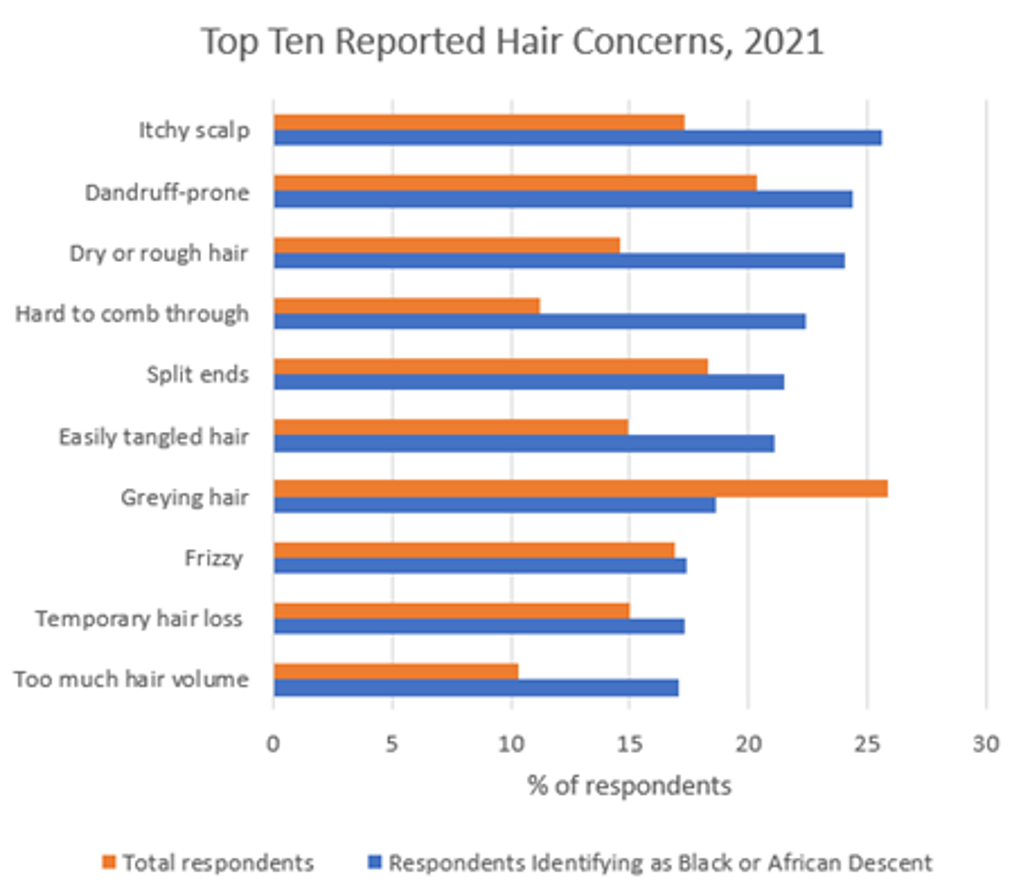 One might question: is this supposed sea change simply driven by market trends, or a deeper, lasting value shift? The answer, perhaps unsurprisingly, lies in both. Consumers are increasingly seeking products that resonate personally and ethically. Brands ignoring diversity face a sharp decline in relevance, like ships becalmed in a sea of changing currents. But beyond pure economics lies a powerful empathy.
Research points to a consumer desire for authentic representation and solutions built for their specific needs. This consumer demand, fueled by a growing confidence in diverse identities, naturally pressures brands toward inclusivity. It’s a feedback loop: consumers seek representation → brands adapt → market shares consolidate around values-driven players → further representation is spurred. The compass of innovation points true north: towards equity, sustainability, and respect—in both formulation and approach.
The industry’s journey towards being more accessible, representative, and respectful is akin to navigating uncharted territory. It requires courage to break from old, perhaps even unconscious biases, and humility to truly listen and learn. There are, undoubtedly, hurdles and missteps along the way. But the destination—a world where diverse hair types and consumer backgrounds are met with equal expertise, respect, and product efficacy—is being actively charted.
Threads of Community: Where Inclusivity Begins at Home
 The true spirit of inclusivity often weaves itself into the fabric of community, extending from professional environments into the personal spaces where hair care routines unfold. Recognizing that expertise isn’t solely held within salon walls or product labels empowers individuals at the center of their hair care journey.
Think of hair knowledge as a shared resource, a library of information open to all. Learning about product ingredients that support different textures, understanding how environmental factors affect hair, or finding safe ways to adapt traditional styles—all these skills contribute to a knowledgeable, confident user base. This movement encourages self-education, connecting people seeking answers.
Forums, blogs, and social media platforms dedicated to diverse hair types act like fertile ground for exchange. Here, users share tips, troubleshoot challenges, and celebrate unique features, fostering a sense of belonging. This community-driven approach validates individual experiences and moves away from the notion that there’s only one ‘correct’ way to care for hair. It reinforces the idea that understanding your hair is the first step towards confident self-expression—a skill set everyone should cultivate, regardless of the texture, color, or complexity they navigate daily.