

Imagine your hair as a sleek, perfectly aligned highway. It zips through your day, a symbol of order and control. But sometimes, this relentless straightness can feel… monotonous. Like a river flowing too smoothly, it can become predictable, lose its dynamic edges, and occasionally catch on the world around it. Texture, the introduction of varied bumps, waves, and movement, is the creative engineer. It transforms your perfectly straight rails into a scenic landscape, adding contour, character, and a welcome, nonchalant friction that says, ‘I’ve got personality.’ Adding texture to straight hair, especially without heat, is about embracing this natural creativity and introducing dimensionality that even the smoothest strands can appreciate.
From Uniform to Unique: Crafting Movement Where There Was None
 This fundamental principle speaks to the inherent desire for variation. Think of hair structurally, like tightly wound springs or perfectly laid silk. Introducing texture is like loosening the coils slightly or adding subtle crinkles to the surface. Techniques focusing on defining pieces or manipulating the hair without raising the temperature are incredibly effective. This might involve gentle manipulation with a texturizing spray followed by a soft scrunch, or simply using your fingers to gather sections and let gravity create natural volume and separation. It’s about consciously breaking the evenness to reveal a more intricate, eye-catching silhouette, turning controlled straightness into a personalized statement of style.
Unlocking Dynamic Flow: Texturing Techniques for Naturally Slippery Hair
 If you find your natural straight hair behaves like polished obsidian, effortlessly sleek but prone to slipping and sliding through your hands, texturizing is your anchor. This approach acknowledges that straightness isn’t just about smoothness; it can sometimes be a bit slick. By incorporating texturizing products – often mousses, gels, or dry shampoos specifically designed to grip without crunching – you’re adding friction at the root, creating a subtle grip that allows for easier styling and holds shape. Texture here isn’t about clunky volume but about providing a foundational grip. It transforms the notoriously slippery canvas into something that holds its own movement, allowing strands to behave with more weight and definition, embracing that slippery nature but taming its tendency to be uncontrollable.
Dressing Down the Perfect Mane: Enhancing Strands Without a Single Heat Stroke
 In a world saturated with heat styling, opting for a heat-free approach to texturizing is more than wise; it’s essential for longevity. This method celebrates the natural hair journey and prioritizes scalp and strand health. It involves mastering techniques like strategic finger-texturing, mastering the art of diffusing (if your hair allows it naturally when wet), or exploring the possibilities of air-drying with targeted volume placements. The key is manipulation and positioning, leveraging gravity, tools, or the simple act of gathering (like a low messy bun) to create shape and separation without adding harsh chemicals or risking heat damage. This is texture achieved through finesse and understanding, not high temperatures. It’s a testament to achieving dimensionality while keeping hair healthy and vibrant.
Embracing the Unexpected: Using Natural Hair Textures for Effortless Style
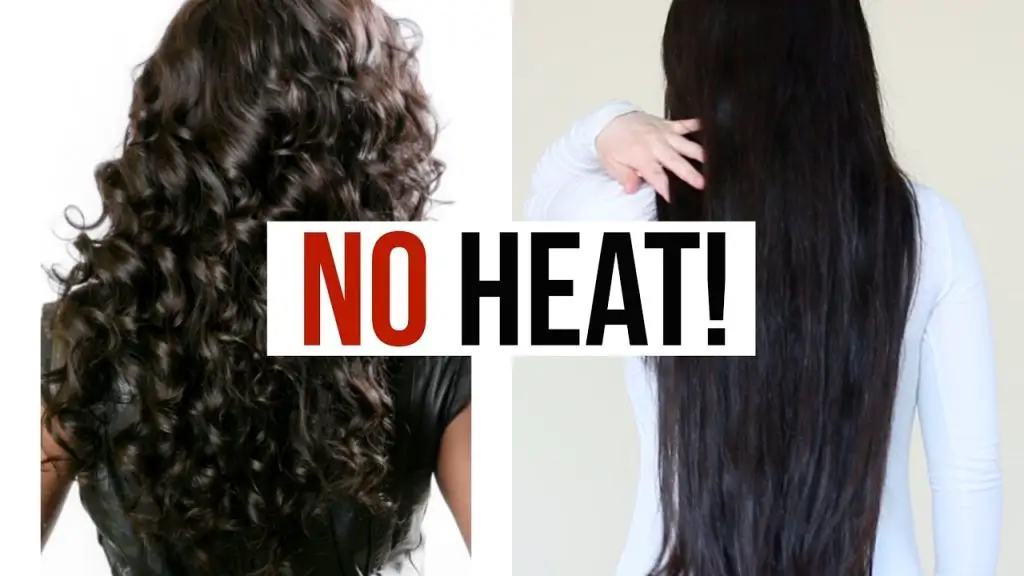 The most intriguing texturing method might be the simplest: embracing or even enhancing naturally occurring textures. If your hair has a tendency to revert to a subtle wave or curl at the roots or ends, that’s a potential texturing asset! Products designed not to fully straighten but to ‘define’ or ’enhance natural movement’ can work wonders. You don’t necessarily need to revert it completely; sometimes, accentuating the natural spring that occasionally rears its head can create a beautifully complex look. This approach highlights authenticity. Texture isn’t just a fix; it’s a celebration of what’s underneath the surface. It’s about wearing that extra layer with confidence, letting your hair express its inherent personality, even when you choose to wear it straight.
Evolving Your Look: Defining Straight Hair with Strategic Textural Details
 Texture doesn’t require a complete overhaul of your look; it can be intricate and strategic. Think of it as adding depth through defined details. Rather than one solid wave or curl, consider incorporating a mix of textural elements: finer micro-waves for volume, slight defined curls for bounce, or textural layers created with a combination of dry and damp sections. This sophisticated approach allows for a nuanced look – the hair might appear straight from afar, but upon closer inspection, reveal hidden dimensionality at the roots, crown, or ends. It’s about introducing strategic complexity without sacrificing the sleek foundation. This method elevates the simple act of wearing straight hair into a layered, multidimensional experience, full of hidden surprises and sophisticated texture.