
Getting a fresh haircut feels amazing—until you notice those pesky split ends creeping in just weeks later. Split ends are the tiny, frayed tips that make your hair look dull and lifeless, often appearing after a trim or as a result of daily wear and tear. While some damage is inevitable over time, there are ways to minimize split ends after a cut and keep your hair looking healthy and vibrant. Whether you have fine, thick, curly, or straight hair, these tips will help you maintain your fresh cut for longer and reduce the need for frequent trims.
Why Split Ends Happen After a Haircut
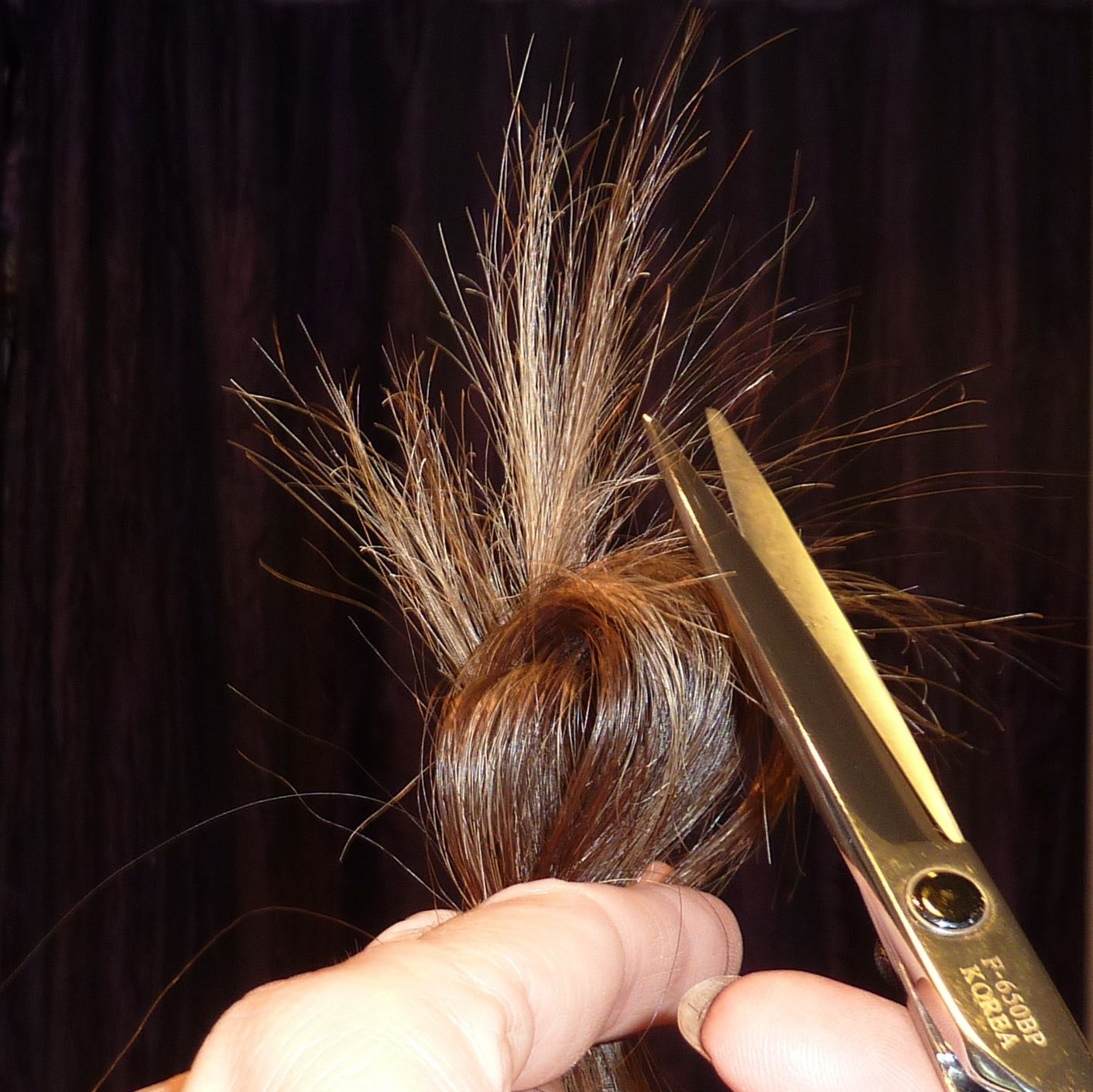 Split ends often appear after a haircut because the ends of your hair are the oldest and most fragile part of the strand. When you trim your hair, you remove the damaged tips, but if your hair is already weak from heat styling, chemical treatments, or environmental factors, the new ends can split quickly. Genetics also play a role—some people naturally have more porous hair that’s prone to fraying. To prevent this, focus on strengthening your hair from the inside out with proper nutrition and gentle hair care routines.
Gentle Hair Care Routines to Prevent Split Ends
 How you care for your hair between salon visits makes a big difference in preventing split ends. Start by using a wide-tooth comb or a brush designed for detangling to avoid pulling and breaking strands. Always brush your hair when it’s damp and coated with a leave-in conditioner to reduce friction. Avoid tight hairstyles like ponytails or braids that can stress the ends, and opt for loose styles instead. Additionally, limit washing to 2-3 times a week to preserve natural oils that keep your hair moisturized and less prone to splitting.
Protect Your Hair from Heat and Environmental Damage
 Heat styling tools like flat irons, curling wands, and blow dryers can weaken the hair shaft and lead to split ends shortly after a haircut. If you must use heat, always apply a heat protectant spray or serum to create a barrier between your hair and the tool. Lower the temperature settings when possible, and try air-drying your hair occasionally to give it a break. Environmental factors like sun exposure, wind, and pollution can also dry out your hair and cause splits. Wearing a hat or using hair products with UV protection can shield your strands from damage.
Nourish Your Hair from the Inside Out
 Your diet plays a crucial role in preventing split ends. Hair needs a mix of vitamins and minerals to stay strong and resilient. Incorporate foods rich in biotin, such as eggs and nuts, to support keratin production. Omega-3 fatty acids from salmon and flaxseeds keep hair hydrated, while zinc and iron found in spinach and lentils promote healthy growth. Staying hydrated is equally important—drink plenty of water to maintain moisture levels in your hair. If your diet lacks these nutrients, consider a supplement after consulting with a healthcare provider.
Regular Trims and Deep Conditioning Treatments
 Even with the best care, split ends will eventually appear, which is why regular trims are essential. Aim to visit your stylist every 8-12 weeks to snip off any damage before it travels up the hair shaft. Between salon visits, use deep conditioning masks or hair oils to replenish moisture and temporarily seal split ends. Look for products containing keratin, argan oil, or shea butter to smooth and protect your strands. While these treatments won’t repair splits permanently, they can make your hair appear healthier and reduce breakage.
Split ends don’t have to be an inevitable part of your hair care journey. By adopting gentle routines, protecting your hair from heat and environmental stressors, and nourishing it from within, you can extend the life of your haircut and keep your locks looking smooth and shiny. Small changes in your hair care habits can make a big difference over time, helping you maintain strong, beautiful hair between trims.