

A quality wig is an investment, a delicate piece of wearable art designed to enhance your appearance and boost your confidence. But think of it: beneath the flowing locks lies synthetic fibers or the intricate texture of human hair, waiting to be shaped, styled, and cared for with knowledge. Ignoring these fragile strands is like leaving a fine painting out in the rain—it will slowly fade, lose its vibrancy, and eventually crumble. Caring for your wig isn’t just about chores; it’s about preserving the masterpiece, ensuring it remains a crowning glory for years to come.
Nurturing Your Wig’s Natural Habitat

The Silk Touch Treatment
 Silk, that epitome of luxury, isn’t just a smooth, flowing substance; it’s a testament to a specific process that imbues it with unique strength and luster. Think of your wig’s delicate materials in the same way. Using heavy, silicon-based serums or harsh shampoos can leave stubborn residues or even damage the cuticle layer, much like pouring harsh chemicals on silk would degrade its quality. Instead, opt for sulfate-free, silk-treatments or wig-specific cleansers that gently cleanse without stripping the natural oils. After washing, the “silk touch” treatment involves air-drying on a gentle hold and minimizing backcombing, especially on damp strands, to preserve the wig’s life and graceful drape much like how one preserves a precious silk artifact.
The Beginner’s Care Routine: Mastering the Basics
 Embarking on the journey of wig ownership is like learning the language of a new piece of jewelry. For synthetic fibers, warmth is your enemy—avoid curling irons or anything that generates heat. Human hair, however, responds more like natural skin. While its cuticles can be gently detangled, avoid harsh teasing or excessive pulling. Think of this care process as a gentle art: whether you’re using a wide-tooth comb or detangling fingers, the goal is smoothness without force. Mastering these basics—gentle handling and appropriate tools—turns the complex task of wig care into a simple, rewarding practice.
The Foundation of Longevity: How to Extend Your Wig’s Life
 This piece of intricate hair weaving requires not just daily upkeep but periodic deep cleaning, just as your skin requires exfoliation and nourishment. Resisting the urge for excessive pulling and teasing isn’t about limitation; it’s about preserving the integrity and beauty of the strands. Each gentle touch you apply today extends the lifespan of tomorrow. A well-loved, expertly cared-for wig becomes more than clothing—it becomes a companion in your journey of self-expression, a lasting garment woven with care and precision.
Finding the Perfect Harmony: Caring for Both Worlds
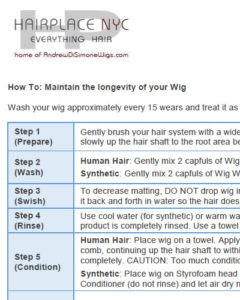 Natural human hair wigs boast the realism of authenticity, while synthetic wigs offer the playfulness of endless styling possibilities. Yet, the fundamental desire beneath both is the same: to look as good as the day you first put them on. Human hair, being like real skin, might benefit from products like silk serums or keratin treatments, mimicking natural hair care. Synthetic requires lighter, specialized products that don’t melt or degrade the fibers. Both, ultimately, demand that you gently hold the brush, rinse carefully, and store mindfully. Finding that balance between care for both material natures ensures neither type fades away, but rather, continues to shine brightly.