
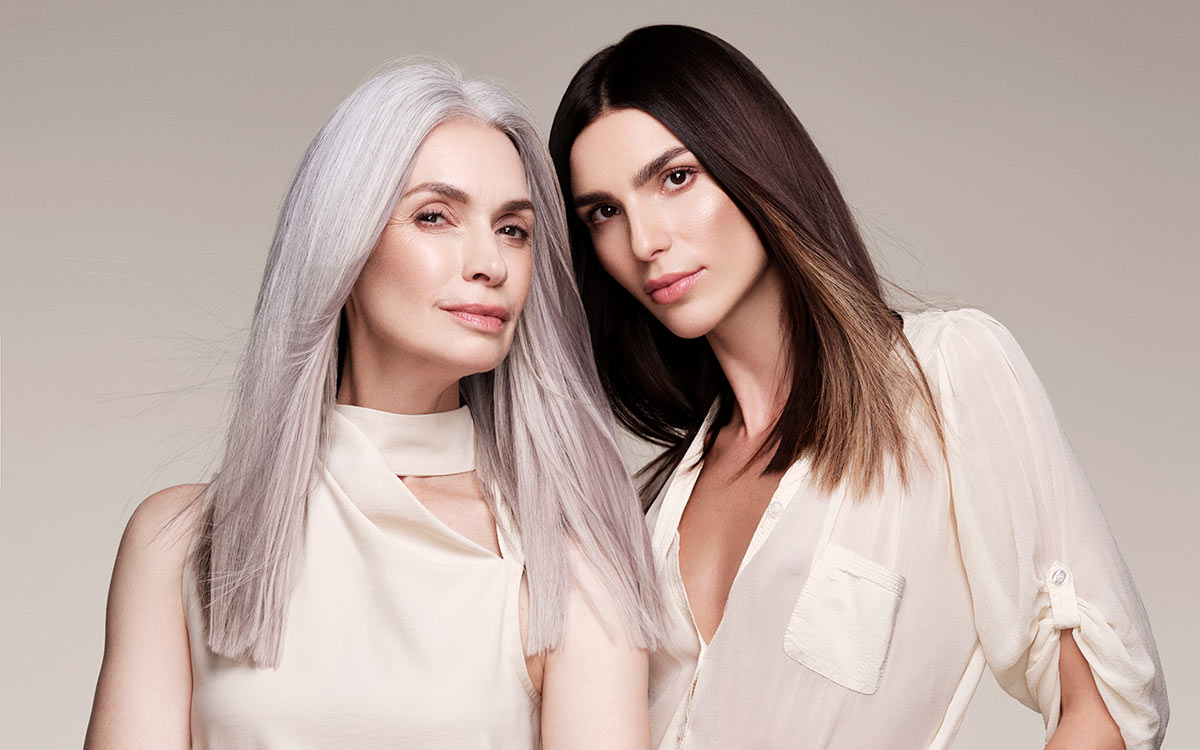
Sustainable beauty and fashion practices are no longer niche trends but fundamental shifts in how we consume and care for products. This movement embraces longevity, ethical sourcing, and minimal environmental impact. It makes logical sense to extend this mindful approach to something as significant and personal as our hair. Hair extensions can amplify our style, boost confidence, and even alter our self-perception. However, the production and disposal of many traditional extensions raise concerns about resource depletion, environmental damage, and ethical labor practices.
Materials That Matter: Beyond Plastic and Metals
 Start with an in-depth look at what goes into your extensions. Traditional synthetic hair often relies heavily on petroleum-based plastics, contributing significantly to microplastic pollution. Natural hair sources, like human hair or horse mane extensions, also warrant scrutiny due to the ethical implications and environmental footprint of harvesting.
The sweet spot lies in extensions made from innovative, sustainable, and even biodegradable materials. Materials like recycled yarns, bio-synthetics, mushroom-based fibers, or, yes, banana fibers (as seen in innovative designs) offer promising alternatives. Choosing extensions made from certified sustainable sources that minimize waste and use low-impact dyes is increasingly possible. The raw materials are the bedrock, and sustainable hair extension brands are proving that style need not come at the expense of the planet.
Extension Types: Which Sustainable Style Works Best?
 The type of extension you choose also plays a crucial role in its sustainability impact. Clip-in extensions, for example, allow for versatile wear and easy removal, promoting longevity and reducing overall consumption compared to single-use additions. Tape-in extensions, when human hair and sourced ethically, offer a durable, non-damaging, and relatively long-lasting solution. Silk ribbon, micro-ring, and micro-bead systems are generally considered more gentle on the hair and scalp than traditional clamps.
LuLu*s, known for its clip-in systems, exemplifies this focus on reusable, style-changing accessories. Tape-in extensions from brands like Tara Hair emphasize their eco-friendly beauty approach. Ultimately, the best sustainable option is the one you’ll use regularly, minimizing how much hair (real or synthetic) you consume. Understanding the specific manufacturing and attachment methods is key. Avoid extensions designed for permanent, daily use against the natural hair, as these can cause traction alopecia without being genuinely necessary or durable in the long term for non-permanent wear.
Construction and Craftsmanship: Durable Design
 Choosing sustainable hair extensions isn’t just about the material; it’s also about the skill and responsibility of the creator. Focus on craftsmanship that ensures durability. A high-quality closure, properly attached wefts, and strong adhesives or tapes are essential for longevity. Poorly constructed extensions lead to breakage, shedding, and ultimately contribute to waste.
Sustainable extensions prioritize durability so they don’t become fashion fads quickly discarded. This isn’t just an environmental choice; it also guarantees a more enjoyable and long-lasting experience with your extensions, saving money in the long run and giving you peace of mind knowing each strand lasts. Brands committed to sustainability often pride themselves on meticulous construction, ensuring each extension is as robust as the materials allow. When you invest time in selecting high-quality extensions from skilled artisans, you support a more responsible industry practice.
Beyond the Weave: Sustainable Coloring Techniques
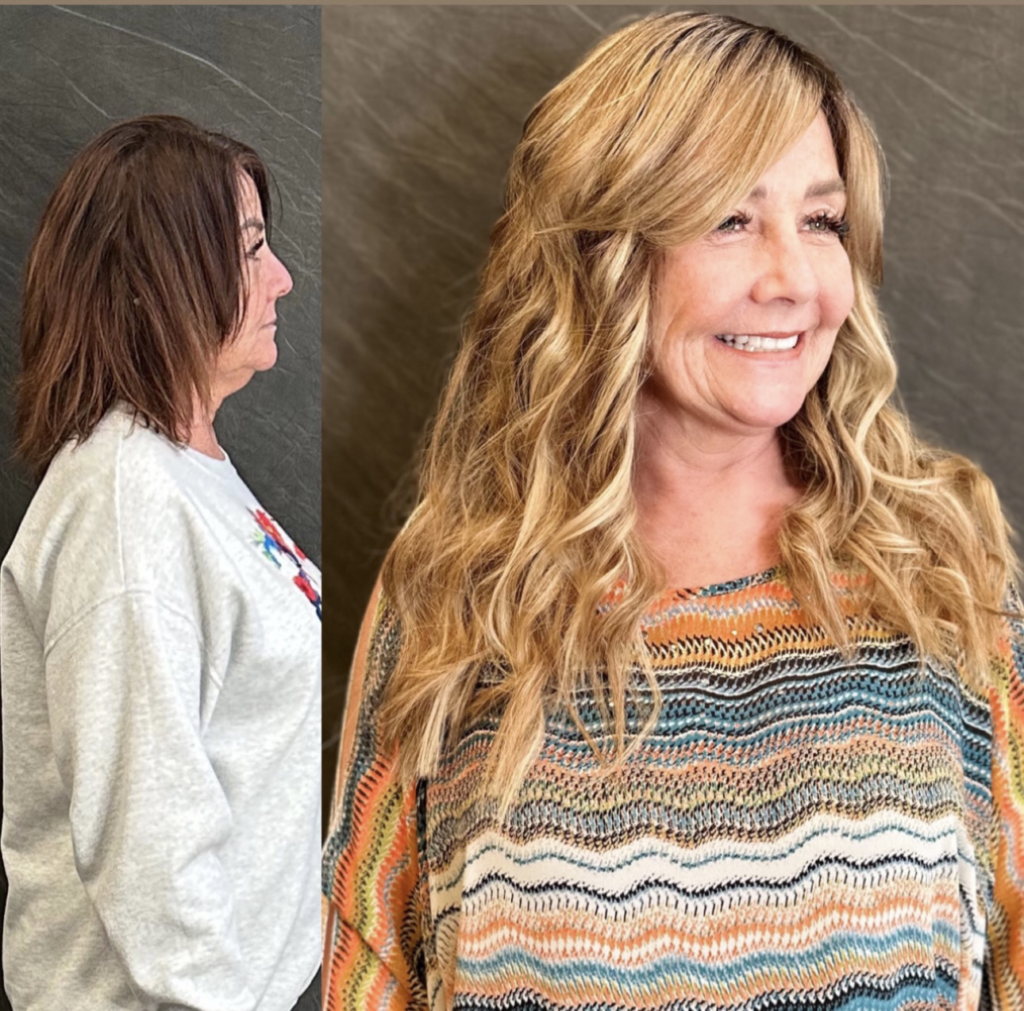 Coloring, while not inherent to hair extensions themselves, is often used creatively with them – think of adding dimension or complementing your natural hair. Eco-friendly beauty is crucial even in this stage. Traditional hair dyes can be harsh, toxic, and damaging to hair and the environment. Opting for ammonia-free, plant-based, or water-based dyes reduces the chemical load on hair and minimizes environmental harm.
Specialized techniques like strategic highlighting, low-lift balayage, or subtle root styling can enhance the visual impact of extensions without heavy chemical processing. Some extensions are designed to be dyed, providing a canvas that offers creative freedom with less damage. The goal is to enhance the overall look sustainably, respecting both the hair (real or synthetic) and the planet for your style. Extensions that facilitate natural-looking color integration often lead to more confident, longer-lasting looks with minimal touch-ups.
Promises and Potential: The New Standard
 The future of hair extension styling increasingly leans towards sustainability, marking a definitive shift in the beauty industry’s compass. Brands that embrace sustainable practices – from transparent sourcing and ethical manufacturing to innovative materials and packaging (minimal plastic) – are setting the new benchmark. Consumers are waking up to these options, driving this change forward.
Choosing sustainable hair extensions isn’t just an aesthetic choice; it’s a statement of mindfulness, care, and respect for both oneself and the planet. It requires consideration beyond mere aesthetics – a deeper look at materials, manufacturing, ethics, and waste. The process encourages a more thoughtful approach to fashion: investing in quality, ensuring longevity, and minimizing environmental footprints. This burgeoning movement elevates hair extension wear from a fleeting trend to a responsible and empowering style choice.