
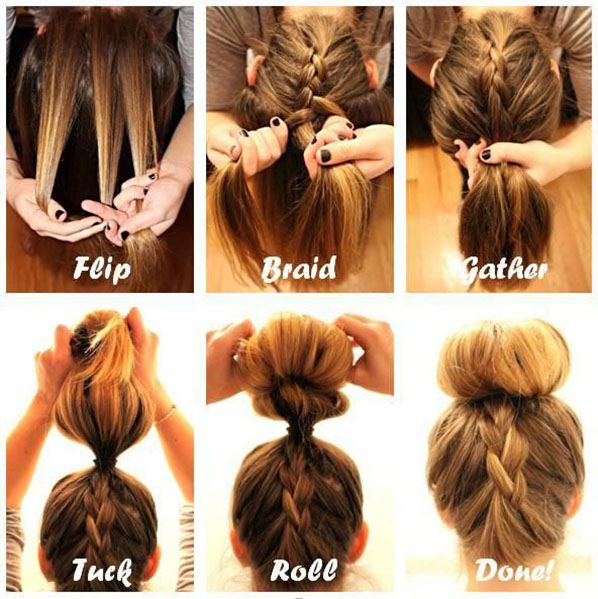
Ever dream of seeing your hair tutorial blow up, snagging thousands of views and comments? It feels like turning a simple hairstyle idea into something people can’t stop talking about. But have you ever paused to wonder *how* these viral styles happen? How does a quiet little tutorial workshop, like the one showcased in the example above regarding a “beautiful hair tutorial,” shoot straight into the social media stratosphere? It’s not magic—though it might look like it! Today, we’re diving headfirst into the secrets of crafting a hair tutorial that captures lightning in a bottle, literally dominating feeds. We’re not just aiming for views; we’re aiming to create that buzz, that viral whisper that turns into a roar. Ready to turn your passion for styling from a quiet hobby into a viral phenomenon? Let’s unlock the code together.
Embrace the Trend or Create One
 Starting with the right hairstyle is half the battle. While creating something entirely new can definitely capture attention, riding the wave of a trending style that resonates strongly with your audience is a powerful strategy to consider. Viral tutorials often either nail a popular look perfectly or offer a fresh perspective on something familiar and desirable. Be observant about what’s currently generating buzz; it might even spark your own unique approach. Whether mimicking and refining a trend or confidently presenting a novel idea, the initial concept needs to be something that feels both achievable and exceptionally flattering to a wide audience, offering that ‘wow’ factor or that ‘my-stylish’ fantasy.
Consistency and Authenticity
 Virality doesn’t just happen once; it often follows from consistent effort and relatable authenticity. Engage regularly with your niche, sharing techniques, tips, and mini-tutorials even if they don’t become the next mega-hit. This builds anticipation and a loyal following. When your viral tutorial finally appears, it should feel genuinely you. Don’t be afraid to show your personality through your style, your tips, or even minor hiccups in the process (used comedically, of course). Filtered perfection might look slick, but a slight edge of authenticity often connects more deeply, making viewers feel like they’re connecting with a fellow stylist or friend, rather than a distant celebrity. People remember real moments more than perfectly curated ones.
The Power of a Killer Hook
 Your tutorial needs a strong opening! Capture attention immediately with a “killer hook.” Whether it’s an astonishing transformation shot, a catchy tutorial title or tagline, or a quick, visually compelling demonstration of the core technique, the first few seconds or images are critical. This hook needs to pique curiosity and promise significant value. Think in terms of storytelling from the start – what problem does this tutorial solve? What transformation is it delivering? Get the viewer invested in the outcome right from the beginning. You could ask a question like “Want to achieve that effortlessly chic look?” or showcase the stunning end result to immediately grab attention and compel the viewer to see how it’s done.
Show, Don’t Just Tell
 Less talking, more showing! Your images and videos aren’t just documentation; they are the performance of the hairstyle. Capturing multiple close-up, clear angles is essential. Show the hard work and intricate steps involved—demonstrate the technique visually, making it easy to follow along. What product is being used? What angle is crucial? What small trick produces the perfect hold? These details should be visible and understandable. Utilize the tools available in the average photo viewer or social media platform (like image grids, carousels, or short video snippets) to display various stages or close-ups effectively, emphasizing the “how” without lengthy written explanation. The beauty lies in the clarity of execution.
Timing and Platform Selection
 Viral moments often tap into cultural waves or current events unfolding simultaneously online. Sometimes, simply posting your tutorial when many users are searching for or interested in that specific hairstyle or tip can dramatically increase its chances (a tactic called ‘hitting the curve’). But relevance is also about the *topic*. Is this the kind of content people are actively looking for right now? Engaging platforms like Instagram, Pinterest, TikTok, and YouTube are hotspots for hair tutorials. Choose the one best suited for the type of tutorial you’re sharing—detailed step-by-step instructions might work best in vertical video formats or blog posts linked from various platforms, while quick tips or transformation shots excel on highly visual feeds like Instagram and Pinterest.
Video Tutorials: The Gold Standard
 While beautiful static photos are great, the *golden standard* for tutorials today, especially when aiming for wide reach, is the video format, particularly the popular vertical video. Short, clear video clips breaking down each step, demonstrating the product application, and showcasing the final look work incredibly well. Platforms are optimized for video consumption. A video tutorial offers dynamic demonstration, allowing for smoother movement than static images and better conveying subtle techniques and nuances. Keep videos concise (think under two minutes for quick tips, maybe five for more detailed ones), use clear narration or on-screen text, and ensure good lighting and audio, so the process feels effortless and the instructions are crystal clear.
Engage, Engage, Engage
 Create the tutorial, share it, and then—don’t stop! Actively engage with the comments and questions you receive. This fosters community and shows that you value your audience’s input and are dedicated to helping them succeed with the style. A helpful, responsive creator builds trust and loyalty far more effectively than one who disappears after publishing. Responding shows you’re invested. Furthermore, ask your followers for their own favorite styles or tips you could share in future tutorials. This keeps the conversation going, encourages repeat visits, and continuously builds the sense of a shared passion and community around hair styling.