
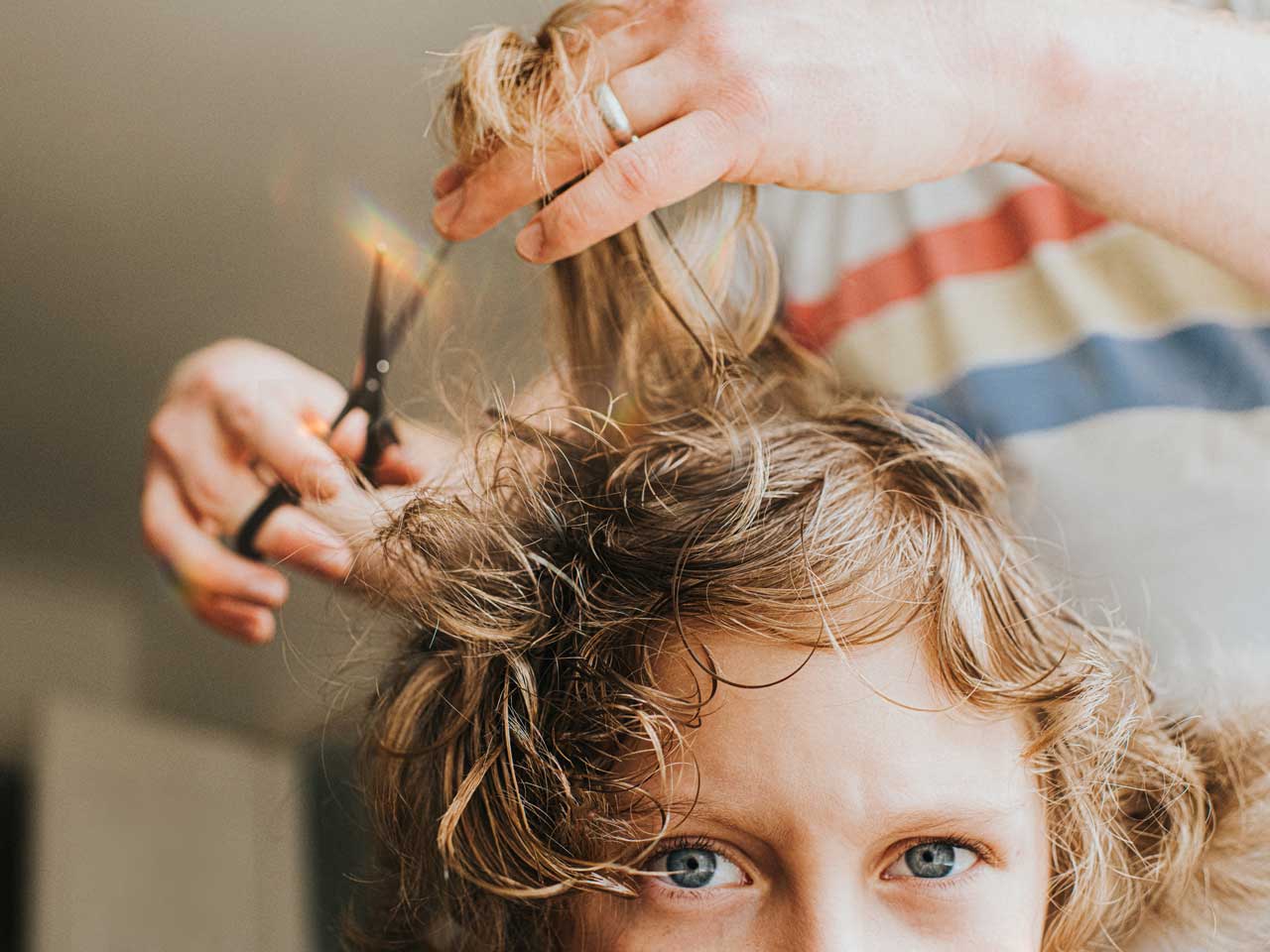
Alright parents, let’s talk. You’re home, maybe it’s quiet, or maybe chaos is just beyond the door, but somehow, you’ve got five minutes. And you’ve got this wild, beautiful mop of hair that seems to have a life of its own. The question is simple, yet daunting: **How do you cut your child’s hair at home without tears and with perfect results?**
It feels like a superpower task, doesn’t it? But the thought of blood, drama, and lopsided ears can turn this into a dreaded family event worthy of sending to the school nurse. The good news? It’s entirely possible. Mastering this small life skill can save you cash, reduce stress, and even bond you with your little one (if they survive the process intact). Let’s dive into some strategies that turn a potentially horror show into a manageable, maybe even fun, haircut experience.
Stay Calm and Confident
First things first, you have to manage your own anxiety. Breathe deeply. This isn’t brain surgery (okay, it’s maybe more frustrating than brain surgery); it’s about precision and preparation. Your calm demeanor is contagious. Conveying “Okay, this is going to be smooth and easy” will help your child pick up on those vibes. Remember, perfection isn’t the goal here. The goal is a neat trim, maybe a minor shaping, and above all, keeping everyone sane afterwards. Start with baby steps – maybe just trimming split ends.
Prep Like You’re Planning a Vacation
Showing up unprepared is a quick way to disaster. Seriously, treat this like you would a hands-on activity. Gather your tools before chaos strikes: a fresh, sharp pair of scissors (never dull ones!), combs or brushes for detangling, maybe a few elastic bands, a mirror for the child to see, and some good music to keep everyone relaxed. Have a designated cutting station on a protected surface. If things are messy, ask them to help tidy up the toys. This small interaction can smooth things over before you even pick up the scissors. And here’s an insider tip – using clippers on sensitive areas like the head *can* be an option, maybe for very short trims or buzz cuts to ease them into the idea for the future.
Make It Fun, Not Frightening
This is key. Haircuts at home need to be an adventure, not an ordeal. If it feels like a battle with scissors and whining, it’s doomed from the start. Involving your child in the process can demystify it. Ask them what style they’d prefer – maybe they have a favorite character or a specific doll whose haircut they admire. Let them hold a comb or help with an elastic. Praise their cooperation and any brave moments (“Wow, look at those scissors!”). Keep the conversation positive.
Learn the Lingo: Understanding the Hair Structure
It helps to understand *why* hair needs shaping. Look at your child’s head. Are their bangs getting too long and blocking their eyes? Is a specific side higher, making it uneven? Use descriptive language: “We are going to comb the hair on the top of your head towards your forehead and cut it straight…” or “Let’s use the longer part of the scissors for these longer hairs.” Talk about the direction the hair lies (lying flat vs curling). This helps them understand the process, which often alleviates fear. Understanding their hair type can also help anticipate behavior – straight hair can be easier to keep combed flat, while curly hair might tangle if not properly detangled.
The Grand Finale: Check, Check, and Away!
Once you’ve trimmed and styled, take a step back (or step forward; remember, it’s a mirror!). Do a final check. Is everything neat and even? Ask multiple people to look if possible. Point out any stray hairs or uneven spots. Make sure everyone is happy with the outcome. A little extra styling with a braid or ponytail can boost confidence. If it looks good and everyone felt okay about the process, you’ve succeeded!