

We’ve all been there—staring into the mirror after a DIY haircut, only to realize the scissors have taken on a life of their own. Whether it’s a botched fringe, uneven layers, or a shape that defies gravity, a bad home haircut can feel like a personal betrayal. But before you panic or rush to the salon, know that many of these haircut disasters are fixable with a little patience and the right techniques. The key is understanding why these mistakes happen and how to correct them without making things worse. From uneven bangs to choppy ends, this guide will walk you through the most common home haircut mishaps and how to turn them into something you can live with—or even love.
When the Fringe Fails: How to Salvage a Bad Bang Cut
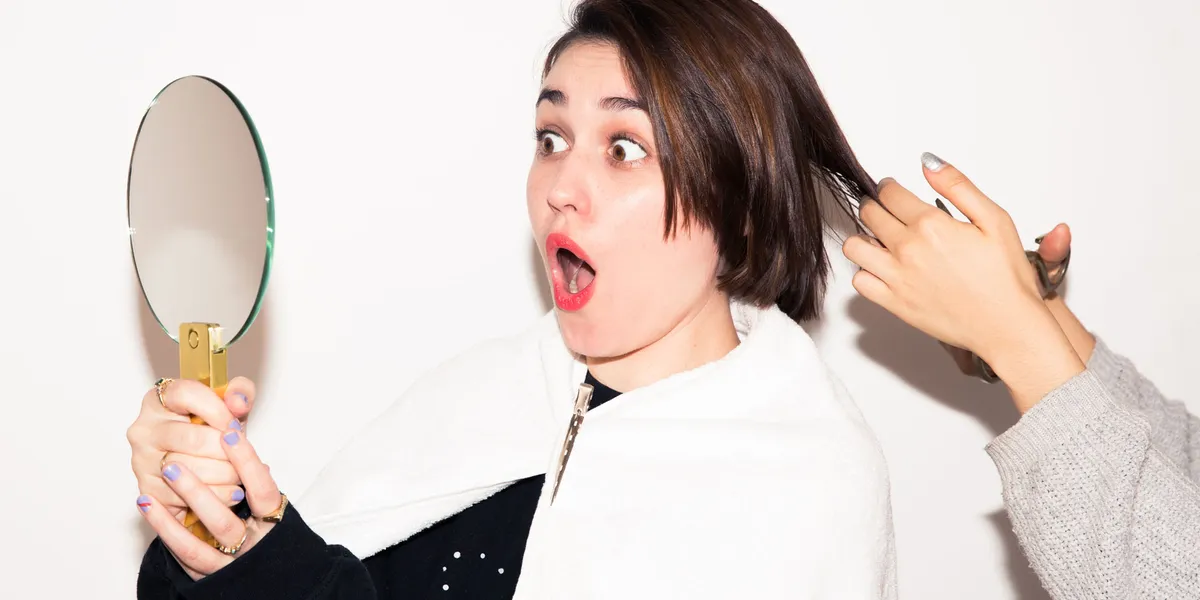 Bangs can be a game-changer, but they’re also one of the trickiest styles to master at home. If your fringe looks more like a jagged curtain than a sleek frame, don’t reach for the scissors just yet. Start by dampening your hair and using a fine-tooth comb to section off the bangs. If they’re too long, try twisting small sections and trimming vertically to maintain texture and avoid a blunt cut. For uneven sides, use a razor comb or thinning shears to blend the edges gradually. The goal isn’t perfection—it’s creating a shape that frames your face without screaming “DIY disaster.” Patience is your best friend here; trim a little at a time and step back frequently to check your progress.
Layered Lies: Fixing Uneven or Choppy Layers at Home
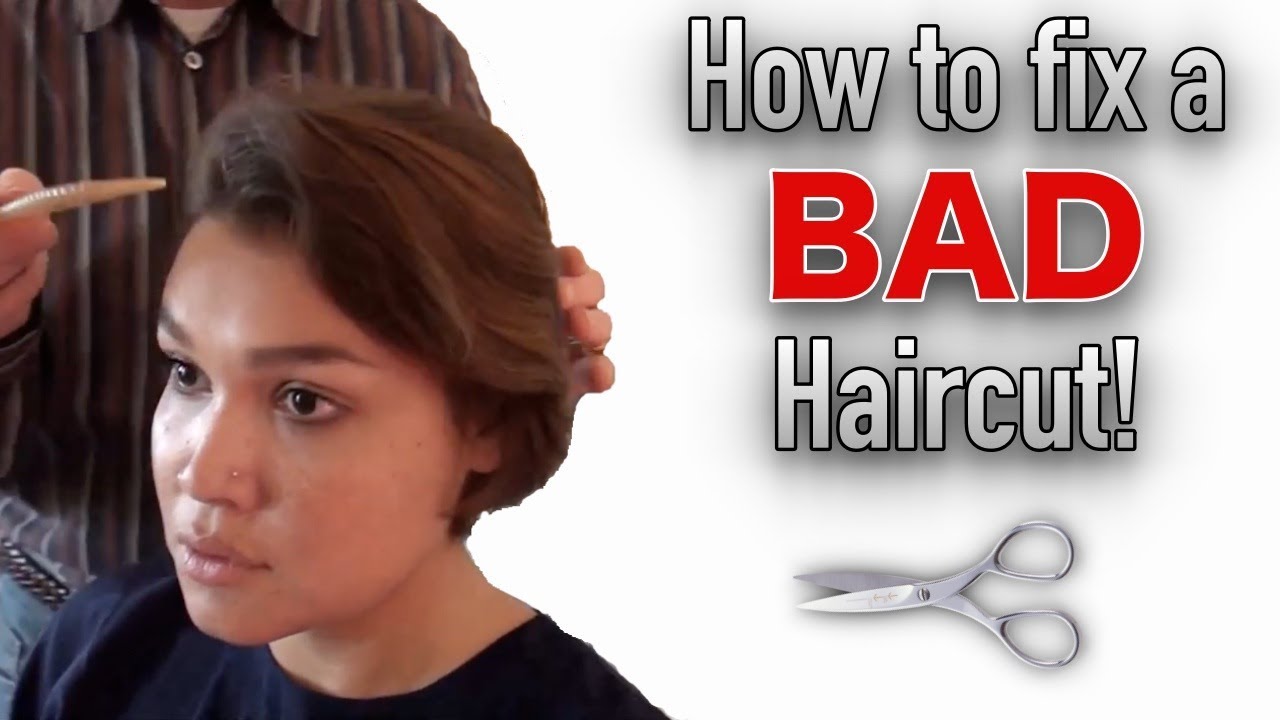 Layers can add volume and movement, but when they’re cut unevenly, they can make your hair look like it’s been hacked by a lawnmower. If your layers are too short or too long in some spots, start by identifying the longest layer and use it as a guide. Gently comb your hair into sections and trim small amounts at a time, focusing on the areas that need the most work. Thinning shears are your secret weapon here—they help blend harsh lines and reduce bulk. If your layers are too blunt, try twisting sections of hair and trimming the ends to create a softer, more natural look. Remember, layers are meant to enhance your hair’s natural flow, not fight against it.
Split Ends and Salvage: How to Repair a Choppy Cut Without Panic
 Split ends are the silent assassins of hairstyles, creeping in after a rough cut and making your hair look dull and lifeless. If your ends are frayed or uneven, resist the urge to chop off large sections—this can lead to more damage. Instead, focus on small, strategic trims. Use sharp scissors to snip individual split ends, holding the hair taut between your fingers to avoid cutting too much. For a more drastic fix, try a dusting technique: twist small sections of hair and trim the loose, frayed bits that stick out. This method removes damage without sacrificing length. Pair this with a deep conditioning treatment to restore moisture and elasticity, giving your hair a healthier appearance while you work on the cut itself.
From Bowl Cut to Bob: Rescuing a Short Haircut Gone Wrong
 Short haircuts are bold and liberating, but when they go wrong, they can feel like a personal style prison. If your pixie cut looks more like a bowl or your bob resembles a lopsided helmet, don’t despair. Start by assessing the shape—are the sides too short or the front too blunt? Use a comb to lift sections of hair and trim carefully around the hairline, following your natural growth pattern. For a more feminine touch, ask a friend to help you blend the back by trimming in a slight V-shape. If your cut is too severe, consider adding texture with a razor or texturizing shears to soften the lines. The goal is to create a shape that flatters your face and feels intentional, not accidental.
When the Salon Can’t Wait: Quick Fixes for a Haircut You Regret
 Sometimes, a bad haircut demands immediate action—whether it’s for a special occasion or just to restore your sanity. If you’re short on time, focus on blending the harshest lines first. Use a round brush and blow dryer to smooth out uneven sections, or pin back longer pieces to create the illusion of symmetry. Temporary fixes like headbands, scarves, or even a stylish hat can distract from the chaos while you plan your next move. For a more permanent solution, consider a deep conditioning mask to add shine and smoothness, or use a flat iron to blend choppy layers. If all else fails, embrace the mess—sometimes, a bold accessory or a change of style can turn a disaster into a statement.