
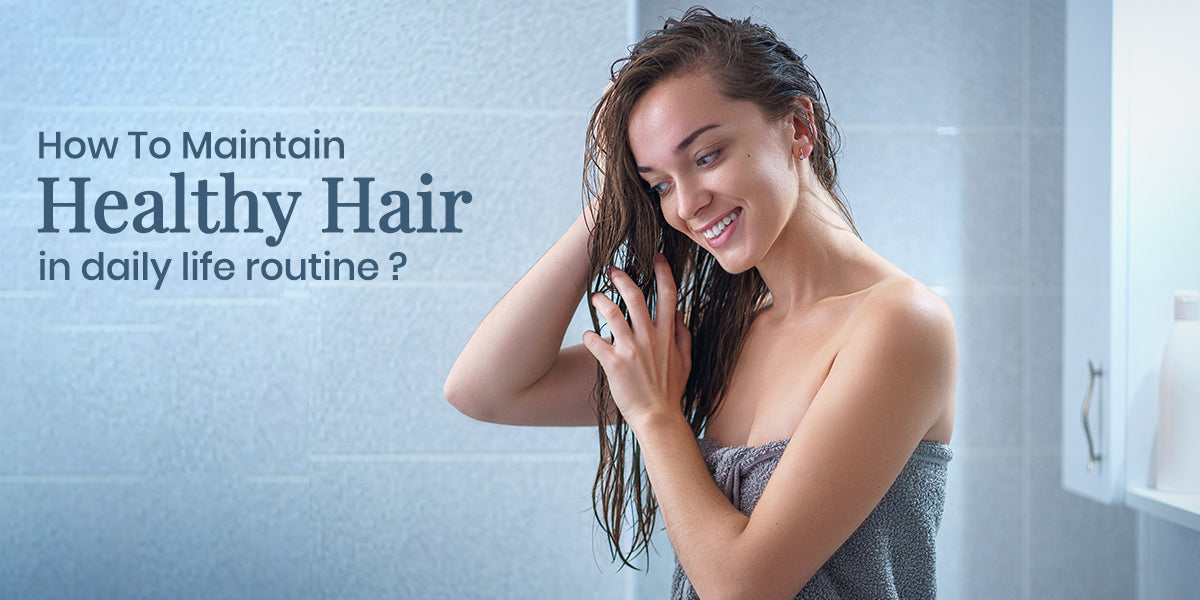
Goodbye damaged strands, hello radiant hair! Did you know that the journey to truly healthy hair starts not just in your bathroom cabinet, but in your mindset? Every single day brings new opportunities to nurture your locks, transforming challenges into triumphs of texture and vitality. Let’s embark on a journey toward hair wellness that lasts a lifetime, exploring simple yet profound shifts that can revolutionize your relationship with your hair.
Nourishing Your Roots from the Inside Out
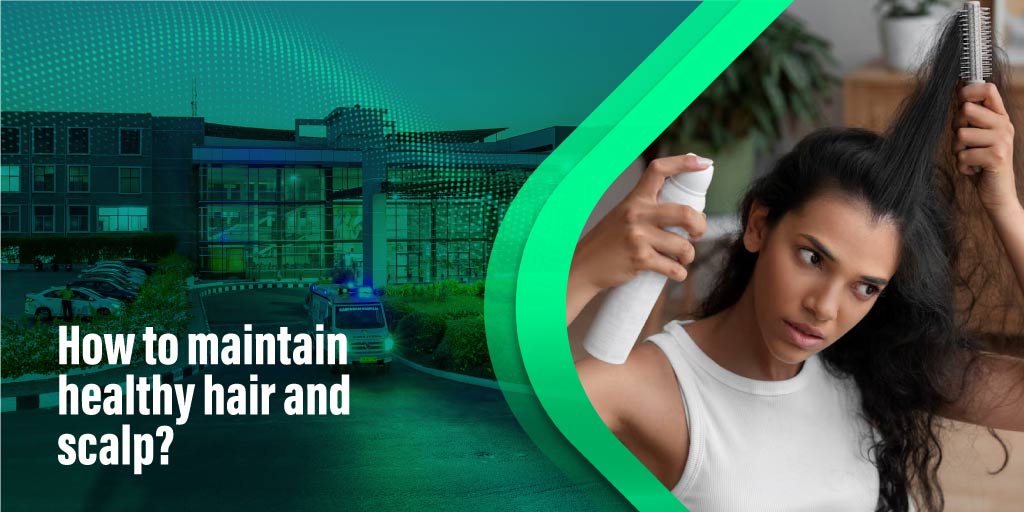 Remember that saying: “Health is a state of the body, not just the absence of symptoms”? Your hair is no different! Think of it as a live extension of your nervous system. Weak, brittle hair often screams underlying nutrient deficiencies or internal stress. Before you reach for the shampoo, consider fueling your body. Dehydration can spell disaster for your hair’s elasticity and shine. A balanced diet rich in omega-3 fatty acids (found in salmon, walnuts, and flaxseeds), vitamins (especially Biotin, Vitamin D, and B vitamins), and minerals (like Zinc and Iron) provides the building blocks your hair needs to thrive. Treat your scalp not as an afterthought, but as the garden bed for your hair’s masterpiece.
The Gentle Art of Washing: Too Much of a Good Thing?
 We’ve been brainwashed into thinking that daily washing is key. But consider this: the scalp naturally produces sebum, a natural conditioner that travels down the hair shaft. Over-washing, especially with harsh sulfates, can strip your hair and scalp of this vital oil, leaving your mane feeling stripped and dull. How often to wash? It varies! Fine hair might need a cleanse every day, while thicker textures can go 2-3 days. The crucial part isn’t the frequency, but the gentleness. Use lukewarm water, a sulfate-free shampoo tailored to your hair type (oily, dry, combination, color-treated), and a conditioner that doesn’t weigh down finer strands. And here’s a pro-tips gem: the two-minute wash rule! Spend at least ninety seconds massaging the scalp, ensuring the shampoo works its magic where it counts – the roots are paramount for circulation (yes, that’s important!), and the ends need deep conditioning.
Decoding Hair Type versus Damage
 Avoid the common pitfall of conflate texture with health. Natural hair often possesses incredible bounce, volume, and resilience, yet some chemical relaxers or poorly chosen heat styling tools can inflict irreversible damage. Think about it! The bond between the hair cuticle and cortex is vital. Damage often occurs when the cuticle becomes raised or roughened. Different hair types (straight, wavy, kinky, curly) require different approaches to maintain their integrity. For kinky or curly textures, embracing twist-outs, braids, and gentle air/wind drying can prevent dryness and breakage. For straighter hair, maybe incorporating a heat protectant, understanding how to diffuse properly for volume, and occasional deep conditioning treatments are the way to go. Understanding your unique hair architecture is the first step to crafting a sustainable regimen, not a one-size-fits-all approach.
Embracing Protective Styles with Grace
 Your hair doesn’t need to be constantly subjected to harsh environmental elements or styling trauma. Protective styles aren’t about hiding hair, but preserving it! Styles like correctly executed braids, twists, buns, and silk scarves or satin pillow usage minimize friction and manipulation. This is particularly crucial at night! That’s often when we unconsciously tug or sleep on styles. Sleeping with wet hair in a protective style prevents the dreaded “bedhead” damage. Remember, even our gentlest actions can lead to breakage. Using the right sectioning tool, gentle styling products designed for your hair type, and ensuring secure but not overly tight hairstyles will prevent traction alopecia (which is literally hair-pulling alopecia) and preserve hair length over time. It’s a practical way to say “yes” to healthy hair for longer.
Tranquil Scalp, Tranquil Mind and Healthy Hair
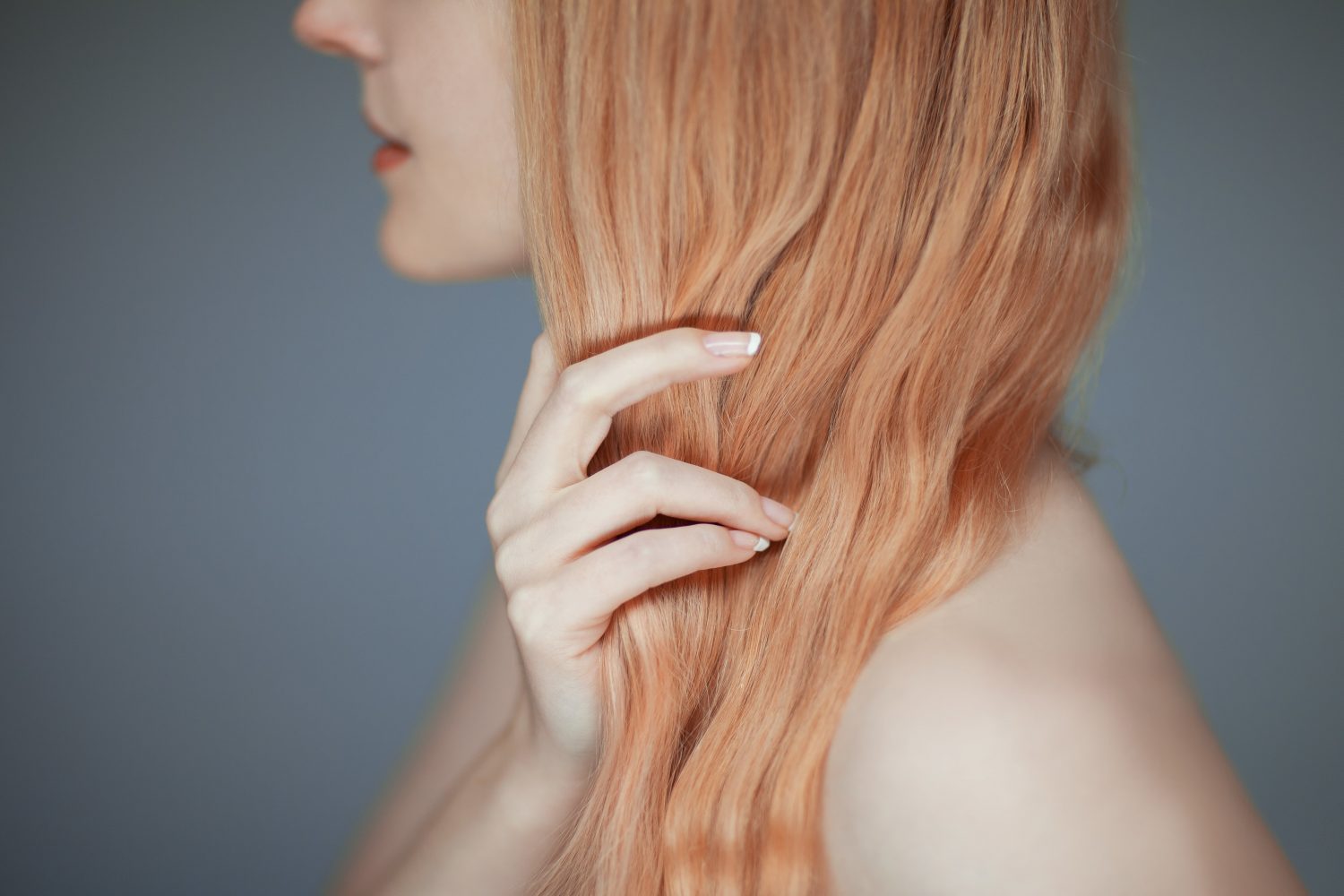 Did you know your scalp microbiome plays a role in overall hair health? Stress, both physical and emotional, can infiltrate your hair’s wellbeing, leading to telogen effluvium (a temporary increase in shedding), alopecia areata, or simply making your hair feel overly sensitive or greasy. Think of scalp massages as your secret weapon. The act of gently stimulating the scalp increases blood flow, helps distribute self-produced sebum, releases tension, and can even reduce stress! If you’re dealing with persistent issues, consider visiting a dermatologist or trichologist – specialized hair and scalp doctors – who can offer tailored insights beyond store-bought products. Sometimes, knowing you’re seeking a real solution is the first step towards regaining control over your hair’s destiny. Consistency is key; healthy hair is a marathon, not a sprint.