
The allure of the mobile hair salon is undeniable. You hear whispers of stylists setting up shop in luxury vehicles, offering salon-quality services right at clients’ homes or offices, bypassing the traditional brick-and-mortar constraints. Observers might ask, “What’s the appeal? Why would someone opt for mobile services when established salons have the tools and foot traffic?” There are layers to this phenomenon, beyond the surface-level business decision. The deeper draw often lies in the potential for targeted service delivery, increased client convenience, the potential for premium pricing due to the specialized experience, and the growing demand for flexible, on-demand beauty solutions in a fast-paced world.
Understanding the Investment: Startup Costs
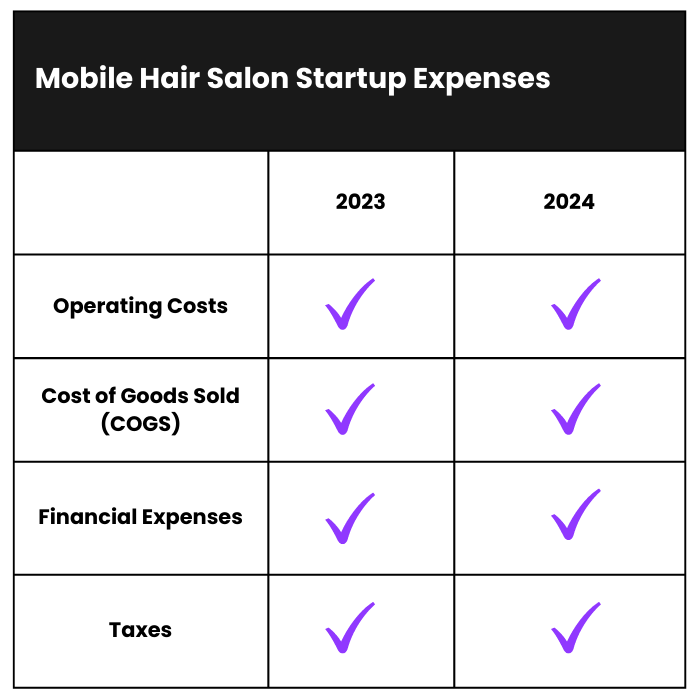 Launching a mobile service involves budgeting, just like any business. This infographic provides a visual breakdown of the financial considerations involved when starting a mobile hair service. Equipment is crucial – salon chairs adapted for a van, high-quality tools, maybe even a color processor. Vehicle conversion or reliable space (a well-equipped transit van or bus) is another factor. Licensing, insurance (general liability, vehicle), bonding, marketing, and initial supplies are essential initial costs to address. Understanding these financial hurdles is the first step towards a viable mobile operation.
Setting the Price Point: Premium Service
 The appeal of mobile isn’t solely in the convenience; it’s often leveraged to package service experiences at a premium. These intricate, multi-step designs exemplify the high-end look clients covet and the unique opportunity mobile stylists offer right in their space. Charging higher rates for mobile services isn’t just about the location. The curated environment, the exclusivity of having a salon-grade experience delivered personally, the absence of a crowded chair – all contribute to justifying, and often commanding, premium prices in the mobile hair services market.
A Unique Marketing Angle: Convenience Equals Conversion
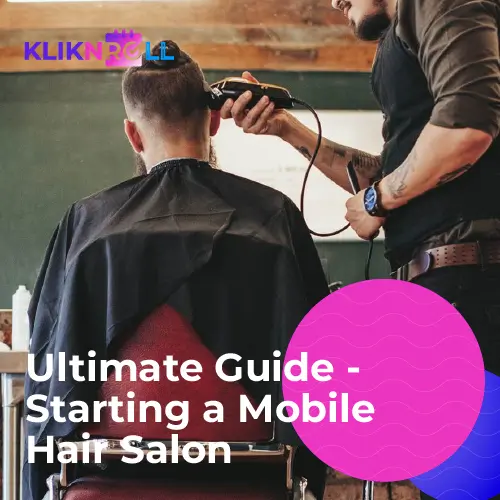 Perhaps the most straightforward answer to the “why mobile?” question lies in the target demographic. Busy executives, busy parents, individuals with severe mobility issues, or clients seeking pampering mid-week – these target audiences highly value convenience. Mobile services directly solve the problem of travel time to and from a physical salon. By addressing this core痛点 (pain point), mobile hair salons tap into a specific niche need, differentiating their service from traditional salons focused on general location accessibility. This targeted convenience translates to a dedicated client base.
Capitalizing on the Premium Model
 Profitability isn’t automatic simply because you’re charging more. Success requires strategically selecting the high-margin services a mobile stylist can excel at. This image represents the potential array of lucrative hair services offered, from intricate color treatments to specialized cuts and styling. Identifying and highlighting services with higher profit margins – think complex coloring processes, luxury keratin treatments, elaborate wedding updos, or exclusive products – allows mobile stylists to differentiate their offerings and maximize revenue per appointment. The key is efficiency and consistency in delivering these premium services away from the traditional salon environment.
Essential Planning for Success
 Ultimately, mobile isn’t just about setting up a van and charging top dollar. It requires meticulous planning. Think about the business model, legal hurdles (permits, insurance specifics), the vehicle’s practicality (size, comfort, setup time), and how to attract the niche clientele you’re targeting. A well-defined strategy, focused initially on a specific service niche to manage complexity and cash flow, increases the chances of the mobile venture not just surviving, but flourishing, offering both owners and clients a unique value proposition.