
Could that annoyingly itchy, greasy bump on your scalp be part of a larger, more stubborn problem? We know our faces get acne sometimes. We’re getting more active about preventing facial breakouts, maybe using fancy cleansers or trendy spot treatments. But what about the real estate above our necks? Is scalp acne just “bad hair day” territory, or could it be a sign that something more serious needs attention? It’s like that persistent pimple on your back – often unnoticed until it grabs your attention, but worth understanding better to keep it away. This isn’t just about finding a quick fix for a zit; it’s about understanding why scalp acne even decides to crash the party in the first place, and then building a strong, non-dreary defense against it. Sounds like fun, doesn’t it?
Pinpointing the Problem: Could That Unwanted Scalp Pimple Be More Than Just a Pimple?
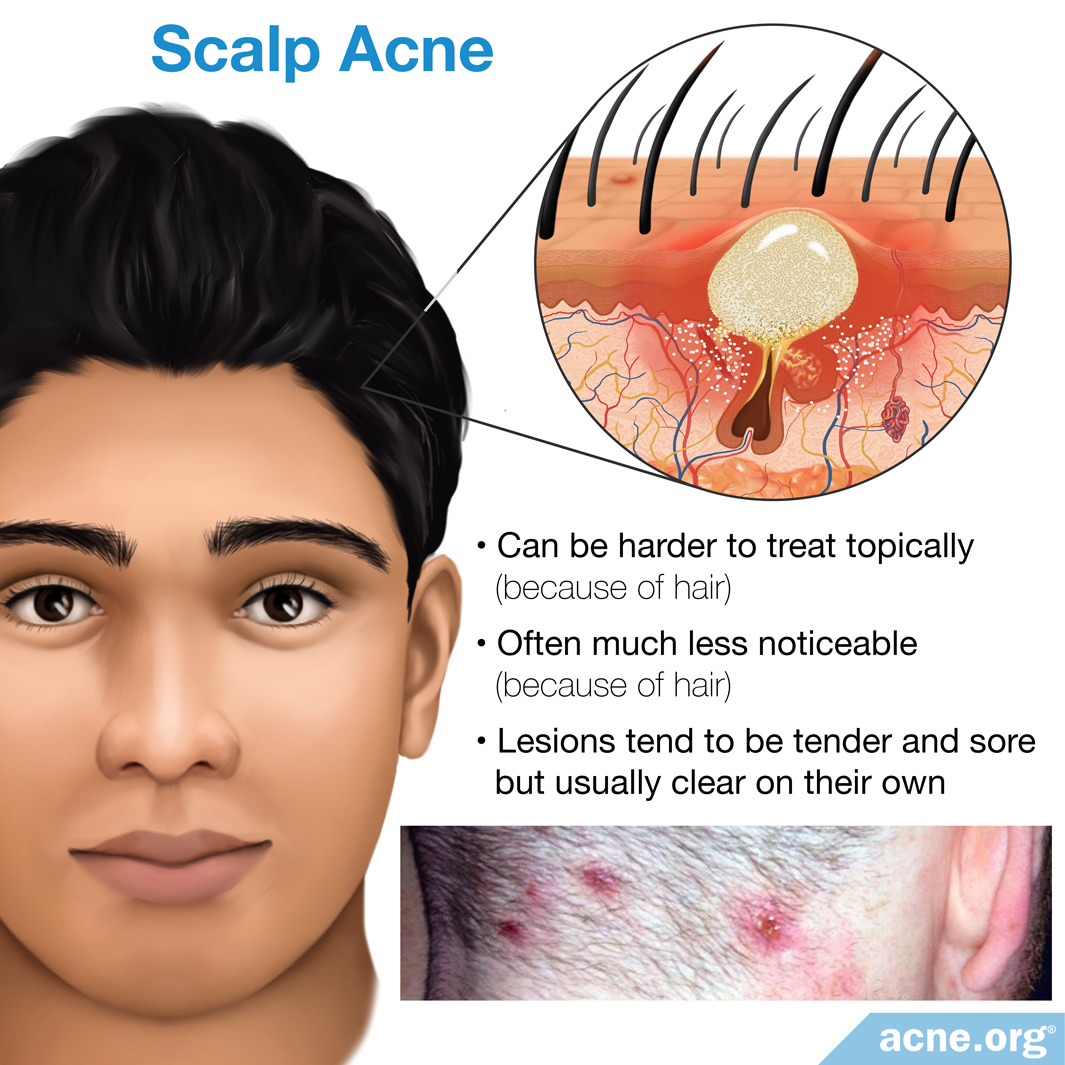 Let’s get straight to the concern: you noticed something off about the skin on top of your head, maybe a small lump or a patch of redness that just doesn’t look like your regular complexion. That’s the classic presentation of a scalp pimple or even a mild breakout. Identifying it is the first step in addressing it, but understanding the *potential* is crucial. Just like facial or body acne, scalp issues often stem from specific conditions, and knowing the signs helps distinguish between a simple bump and something requiring more focused care.
Decoding the Culprit: What Fuels These Unwanted Guests on Your Scalp?
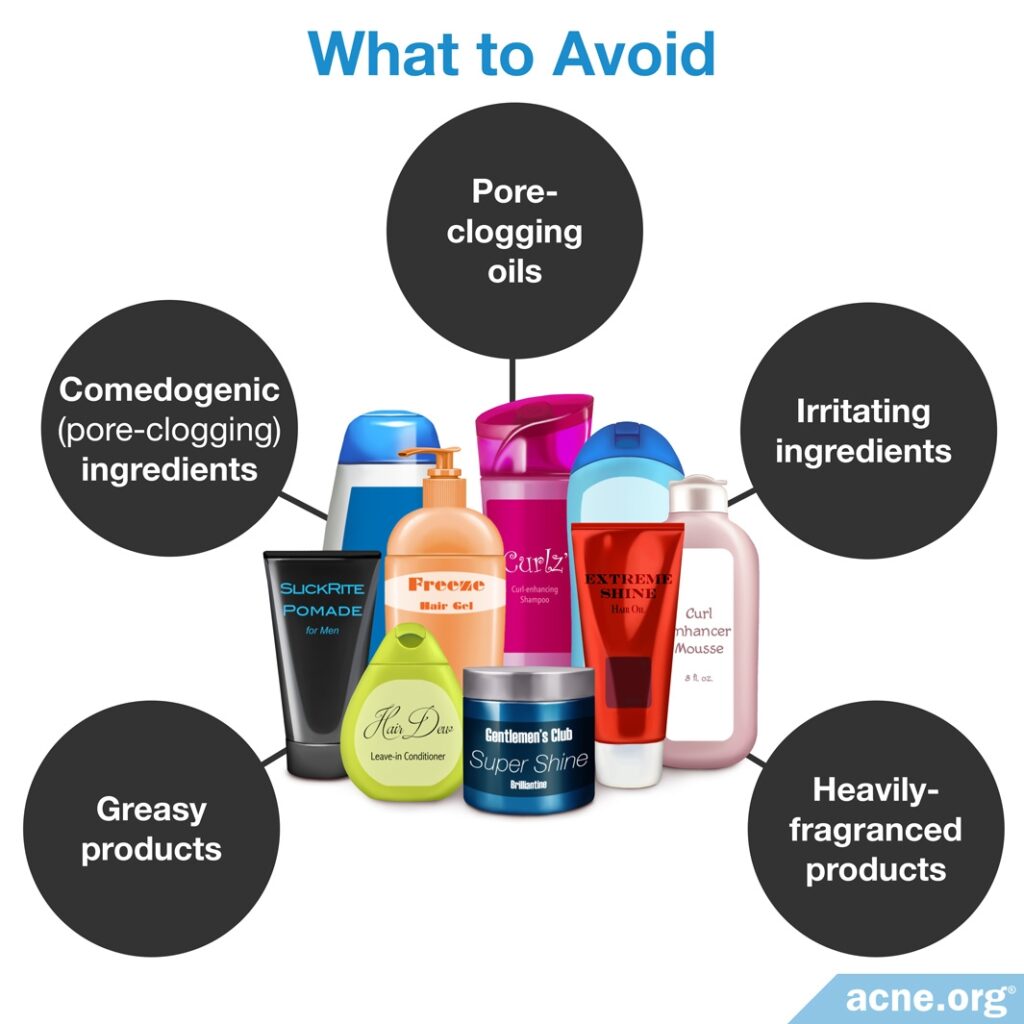
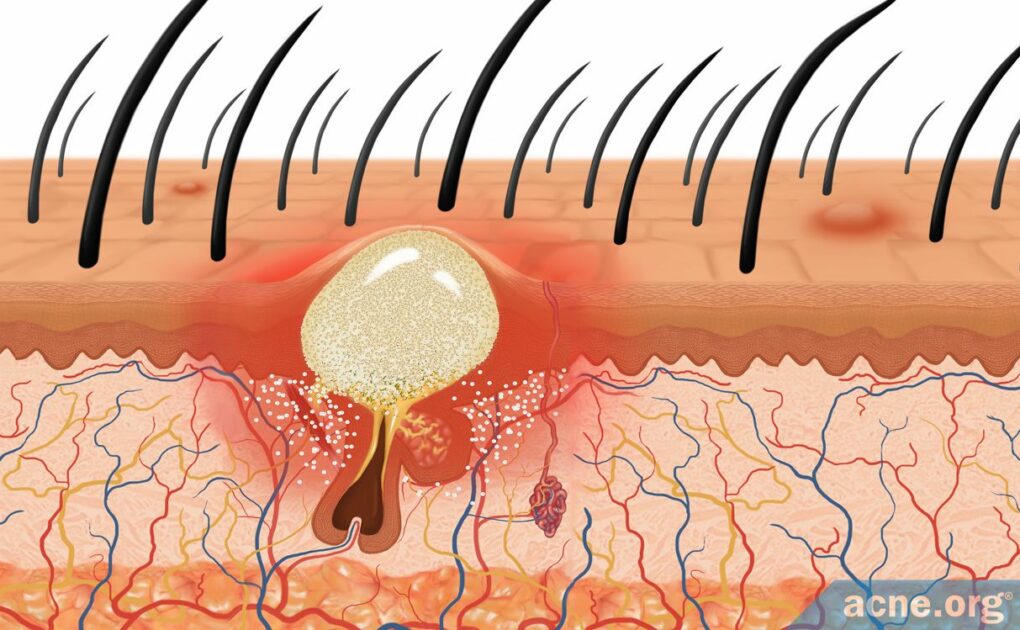 Why is the scalp, often seen as our protective canopy, vulnerable to breakouts? It boils down to a few key players. Think clogged pores – yes, scalp follicles can get blocked just like pores on your face. Excess oil (sebum) production, dead skin cells, and even environmental grime or product residue can combine to create the perfect breeding ground for a pimple. But dig deeper: lifestyle factors are important too. Stress has a notorious effect on our bodies; feeling overwhelmed can signal biological chaos, potentially triggering or exacerbating a range of skin issues, including scalp blemishes. Product overload is another common offender. Heavy shampoos, gummies, oils, styling creams, and sprays coated in silicones, waxes, and potential comedogenic ingredients (those that block pores) can suffocate delicate scalp skin and invite problems.
Battleground: Identifying Your Scalp Type in the War Against Acne
 The battleground for preventing scalp acne is your own scalp terrain. How can you know where to fight? Just like knowing your skin type for face care is vital, understanding your scalp can guide preventative efforts. Is your scalp naturally oiliest, more prone to shine and potentially harboring more follicle-clogging greasiness? Or is it drier, potentially feeling tight or rough, and more susceptible to irritation from harsh products or stripping cleansers? Some might fall somewhere in between, dealing with combination areas around the hairline or crown. Recognizing your specific profile helps tailor prevention strategies that actually make a difference rather than guessing.
Shaving Concerns: The Unexpected Scalp Acne Connection
 For men navigating the world of shaving, scalp acne can be a persistent adversary right at the base of the hairline. Why? The act of shaving itself plays a role. Razor burn isn’t limited to the face; it can manifest along the neckline and even creep up onto the scalp area. Harsh shaving creams and gels with drying alcohols or fragrances, irritating razors, incorrect shaving techniques (like insufficient lubrication or aggressive passes), or dull blades that tug at the skin increase friction and inflammation. The close shave itself changes the microclimate of the skin; it leaves a fine network of hairs that can catch oil and sebum, leading to excess moisture and creating a favorable environment for pimples and folliculitis.
Tackling the Toughest Enemy: A Strategy for Scalp Acne Prevention
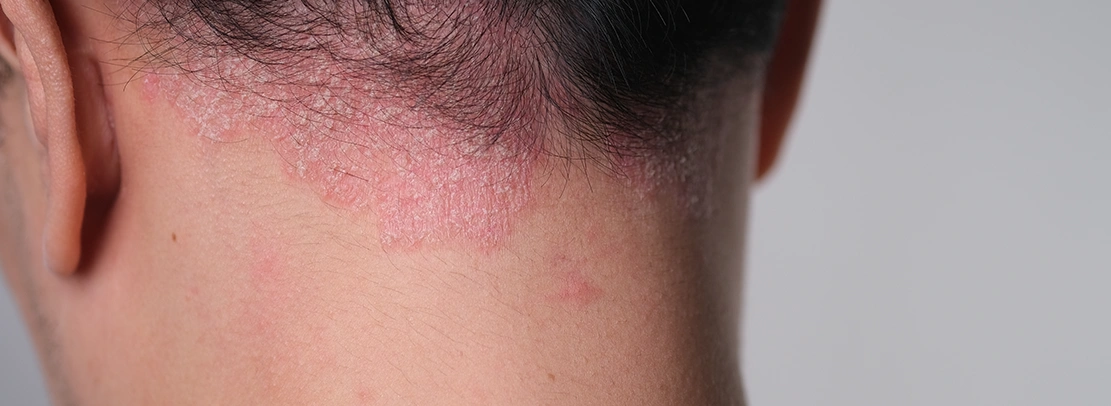 Enough talk, time to take the field! Preventing scalp acne isn’t mystical; it involves smart, consistent habits similar to the care routine you might apply to protect your face. Choose your cleanser wisely; a gentle, hydrating shampoo specifically for scalp care or formulated for your skin type is key. Minimize product overload – if it’s not necessary for hair health (like sunscreen or medicinal treatments), opt for lighter, non-comedogenic options. Incorporate a leave-in conditioner or scalp serum designed to balance oil and soothe, but don’t suffocate the scalp. Don’t forget basic hygiene: wash or disinfect razors regularly, consider wearing a clean shirt under collars that touch the skin, and manage your overall stress levels. These proactive steps build a formidable defense against those unwelcome greasy bumps or red spots trying to hijack your scalp’s peace and quiet.