

You’re shuffling your feet on the fluffy white carpet, only to get an embarrassing shock from a dusty wooden chair. Or maybe the static just decides to have its own party on your locks, giving you frizzy, flyaway friends you never asked for… especially in winter! As winter descends, bringing its dry, cold air and cozy sweaters, taming the static can feel like trying to herd cats made of straw. But fear not, future smooth-haired adventurers, because we’re diving headfirst into the world of static solutions.
Is Your Hair Turning into Lightning Rod McFrisby? (Dealing with Drier Winter Air)
 That feeling! Or rather, that look! Winter air is notorious for being bone-dry, stripping your strands of much-needed moisture. Without enough moisture, your hair’s natural protective barrier gets weaker, making it easier for those pesky free electrons to transfer – zap! We often refer to this as increased static cling. Low humidity makes it worse by taking away the natural ions that usually dissipate static. Think of your hair as becoming the unwilling recipient of a tiny electrical discharge. Tackiness is just one side effect; dryness can also dull your color and leave strands feeling… well, frizzy. So, first things first, tackle the dryness!
Masquerading as Frizz? Distinguishing Winter Static from Product Issues
 Okay, maybe you’re not getting shocked, but your hair looks like it belongs on a tumble dryer’s model instead of the front seat! Could it be static… or just bad product application? Sometimes, products used during other times of the year might seem fine, but winter hair behaves differently. Hair is thicker and potentially oilier (as it tries to combat dryness) or more porous, which can affect how products sit. Overloading on heavy products, especially silicones or oils that aren’t fully absorbed, can sometimes contribute to static cling. But often, dryness and overall charge become the main culprits. Pay attention, is it the same behaviour every winter? Understanding the difference helps target the real issue: is it a hydration crisis, or just a product-porridge routine?
Prevention Station: Taming the Winter Wilds with Hydration and Gentle Handling
This is where the real battle against static begins! Hydration is your secret weapon. Yes, using a deep conditioning treatment once or twice a week is good year-round advice, but make it extra thorough during winter. Follow your conditioner with a hydrating heat treatment (a hair dryer on low or a crème bath mask). Sometimes, a simple application of a leave-in serum containing hydrating ingredients can work wonders. Look for those labeled as anti-static; they often contain ingredients like silicones or conditioning polymers designed to create a smooth barrier on the hair cuticle, preventing charges from building up. Handle your hair with kid-gloves this season. Rough towel-drying is a major offender; let it air dry or gently squeeze excess water onto a microfiber towel, which absorbs much better than cotton. Blow-drying with a diffuser setting can also help reduce friction.
Ready for Action: Effective Winter Anti-Static Strategies
 Prevention is key, but sometimes a bit of magic is needed. An anti-static spray is the classic hero product for sudden static emergencies. These typically contain ingredients that neutralize the charge. Look for one specifically formulated for hair, not for clothes. Applying a bit of hair serum or styling gel, specifically those with an anti-static benefit, can also help weigh down frizz-prone strands and disrupt the charge build-up. Don’t forget the power of touch! Running a wide-toothed comb through your damp hair, or gently using your fingers and a wide hairbrush, helps distribute natural oils and remove tangles without tugging, which can generate electricity. And a touch of dry shampoo can work wonders, absorbing the slight oils that can sometimes contribute to static. If you’re wearing hats or scarves, wash them regularly and avoid rough fabrics which tend to hold and build up charge.
Wrapping it Up Gingerly: Embracing Silky Smooths in the Cold
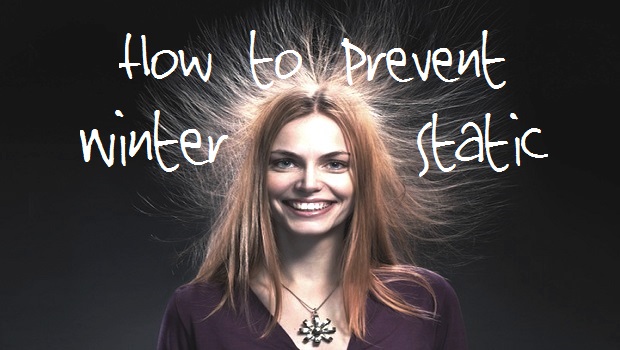 Winter static is a common foe, but not insurmountable! By targeting the underlying causes – dryness, friction, and environmental factors – you can reclaim your smooth, manageable hair. Hydrate deeply, be gentle with your mane, choose the right products, and know your anti-static tactics. Remember that investing time in conditioning, perhaps using a hair mask once a week, not only helps with taming static but overall hair health too. So bundle up, embrace the winter chill, and bid farewell to static shock. Go ahead, take those steps – you might even be so smooth you don’t need any!