
Sweat is a natural bodily function, essential for cooling down during physical activity. However, many people are unaware that their workout routine could be silently damaging their hair. The concern isn’t sweat itself, but rather what follows it – namely, sweat sitting on the scalp and hair shaft, attracting dirt, oil, and bacteria, leading to dullness, breakage, and eventually, more severe damage. Whether you’re a dedicated gym-goer or just enjoy brisk walks, understanding how sweat affects your hair and learning prevention strategies is key to keeping your locks healthy and vibrant. This guide explores the myths versus facts surrounding sweat and hair damage, providing actionable tips to protect your tresses from the effects of perspiration.
Myth vs. Fact: Sweat and Hair Damage
 The common misconception is that sweat alone damages hair. While sweat itself is mostly water and doesn’t have the potential to harm hair the way harsh chemicals might, the real issue lies in its interaction with the environment. Sweat can mix with existing oils on your scalp (sebum), creating a sticky environment. This mixture can attract dirt and pollution from the air, leading to buildup and potential breakage. Furthermore, tight hairstyles used to manage hair during workouts can pull at strands, increasing stress and vulnerability to damage. Understanding that it’s more about post-sweat care and the contaminants sweat attracts than the sweat itself is crucial for effective prevention.
Head to Toe: The Full Body Impact
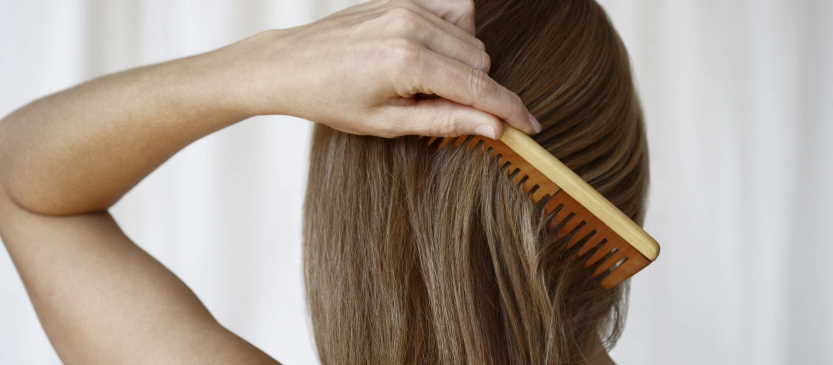 Sweat damage isn’t limited to your scalp; the length of your hair plays a significant role too. When sweat trickles down the hair shaft, it can leave residues that weigh down hair, leading to frizz and lack of volume. For those with longer hair, sweat bands worn on the wrist can often be transferred to the hair via hands or towels, adding harsh chemicals or friction. The same principles apply: moisture combined with environmental factors. This is compounded by friction against towels or fabrics, which can lead to heat damage and even split ends at the tips. Treating your entire body to effective post-wipe sessions translates directly to healthier hair from root to tip.
Purifying Power: Why Daily Cleansing is Non-Negotiable
 Perhaps the most critical step in your post-sweat routine is cleansing. Ideally, wash your hair daily, especially if you work out regularly. This removes accumulated sweat, environmental grime, product residues, and styling aids that can build up and weigh down hair. However, simply washing it once or twice a week isn’t enough if you’re sweating frequently. The key is frequency tailored to your sweating patterns. Using a sulfate-free clarifying shampoo occasionally can help remove built-up residue, but for everyday prevention, a gentle daily cleanse with a balanced shampoo is ideal. Ensuring complete drying is also important, as damp hair is more prone to breakage and fungal issues. Consider gently towel-drying and, if possible, allowing air drying to minimize further stress from towels or heating elements.
Balancing Act: Toners and Treatments
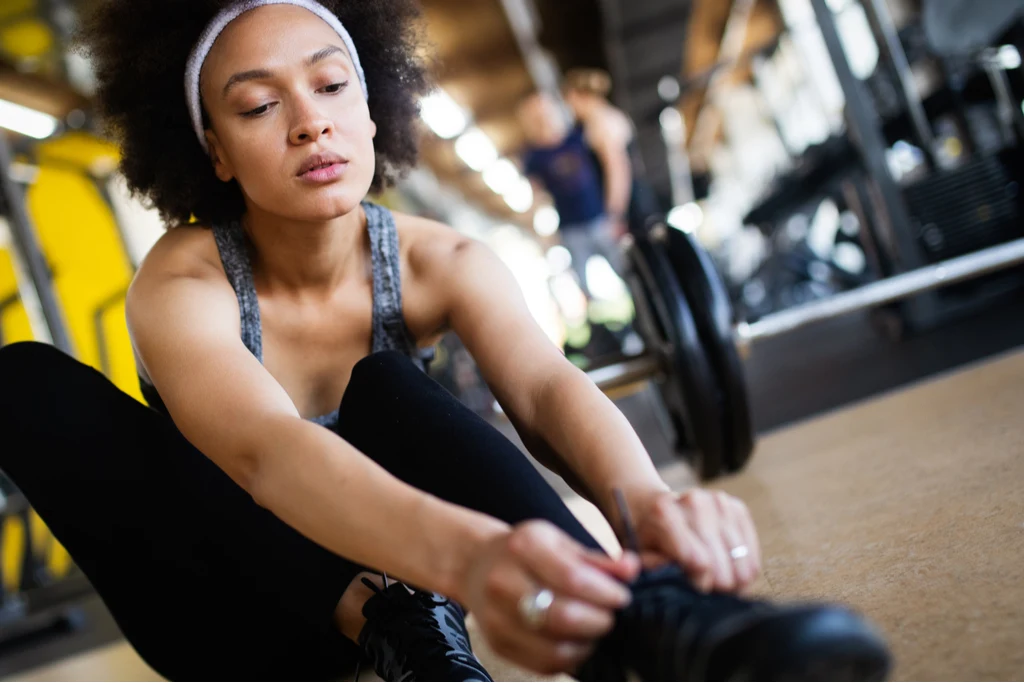 Balancing oil removal with moisture is essential. Over-washing can strip your hair of its natural oils, leading to dryness. This is where toners, or treatments specifically designed for color-treated or fragile hair, come into play. A toner strips away surface oils and build-up without being as harsh as full shampoo washes. It helps maintain your hair’s natural moisture balance. Using a hydrating conditioner or hair mask a few times a week is also beneficial, as these prevent dryness while forming a protective layer against environmental aggressors. Look for products containing ingredients like ceramides or hyaluronic acid to provide extra hydration without weigh-down. Incorporating a leave-in serum can offer additional protection against humidity and heat from your environment or styling tools.
Prevention Before Cure: Pillow Protocols and Style Savvy
 The battle against sweat damage continues even during rest. Sleeping on a silk pillowcase can significantly benefit your hair. Silk is smooth, reducing friction against hair strands compared to cotton or other rougher fabrics. This helps maintain hair’s natural shape and reduces tangles. It also minimizes the transfer of harsh chemicals from synthetic fabrics that cotton might harbour. Furthermore, hair tends to be oilier overnight, so protecting it from absorbing oil from pillowcases is beneficial. As for hairstyles, opt for loose braids, ponytails, or twists rather than tight buns or ponytails. While necessary for sleeping or exercising, tight styles cause constant pulling and can lead to traction alopecia or weakened hair structure over time. Gentle handling during styling and sleeping is a powerful preventative measure.