
Imagine stepping into a salon and noticing the vibrant, colorful clumps of hair collected in deposit bags – maybe you’re donating hair or it’s just general salon waste. But have you ever paused, wondering, “What happens to all that hair? Is it just getting thrown away?” You might be surprised to learn it doesn’t have to be. The idea of recycling hair, whether from your own roots or your stylist’s chair, sparks a fascinating question: Why is this something we’re actively choosing to explore? It goes beyond mere waste management.
10+ Ways Salons Are Recycling Hair Waste
Beyond the individual, professional salons often implement systematic approaches to minimize hair waste sent to landfills. These might range from donating excess hair collected during color deposits to local artists or recycling programs, to ensuring that regular cutting and styling waste is properly diverted. Many salons are now leaders in these 10+ ways, demonstrating that conscious waste reduction starts at the source.
Transforming Hair Waste into Eco-Solutions
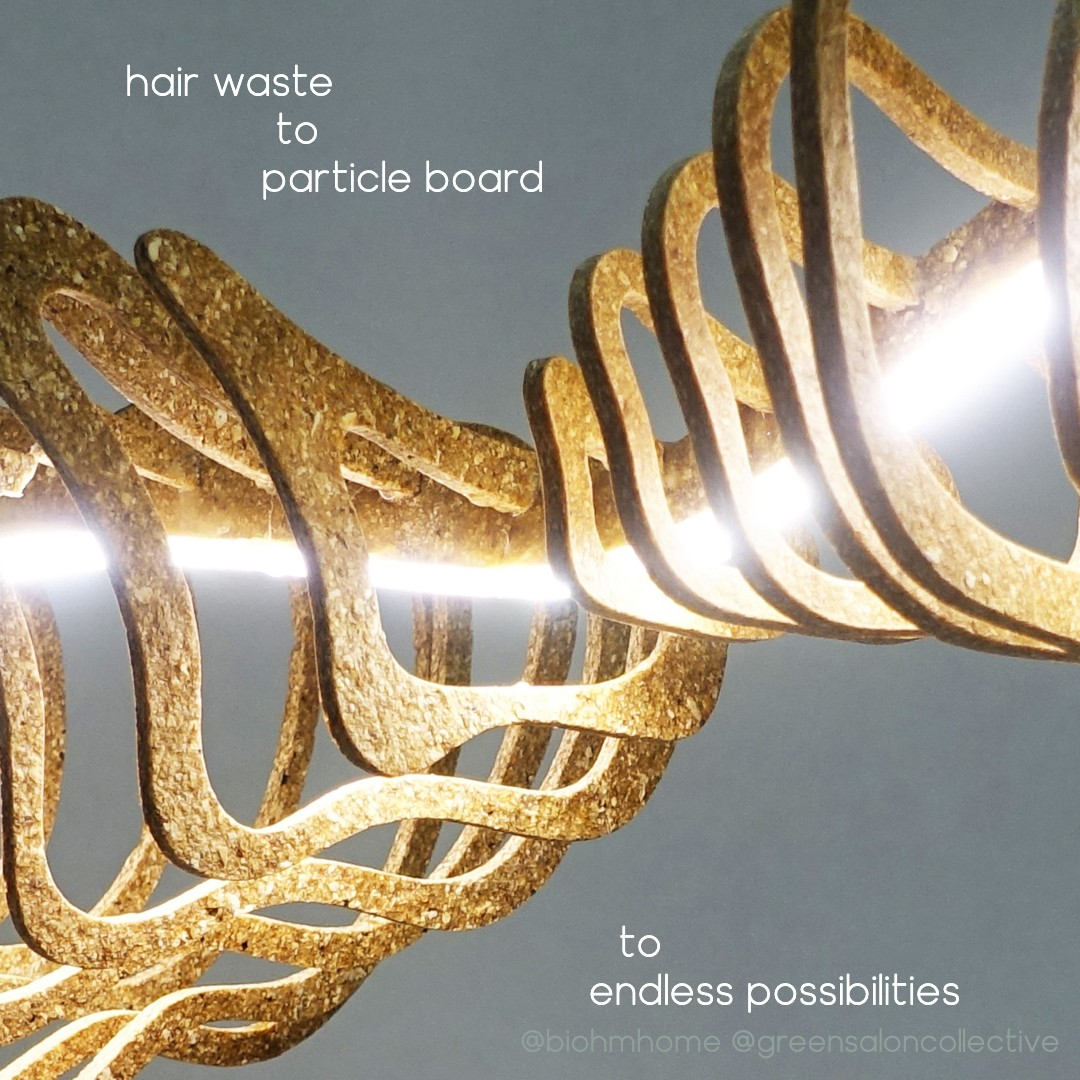
 The reality extends beyond simple disposal. Hair recycling initiatives are actively finding innovative ways to repurpose hair. From transforming it into nutritious fertilizer for gardens and agriculture to creating valuable products like bricks made from human hair and fabric fillings, the potential is vast. These eco-solutions highlight hair not as waste, but as a valuable resource contributing to a more sustainable cycle.
Creative Solutions: Recycling Dry Hair
 The methods for recycling hair don’t stop at wet, colored hair. Dry hair, collected from salon floors after washing or even just shed hair from styling stations, holds its own potential. Composting is one common method, breaking it down naturally. However, creativity knows no bounds. Some forward-thinking initiatives turn dry hair into specialized bricks, or incorporate it into animal bedding (carefully processed), or even explore potential use in biodegradable packaging. These varied approaches underscore the commitment to finding value even in what seems like minor waste.
The Environmental Impact of Hair Recycling
 Why is the focus on hair recycling particularly relevant today? It taps into a broader environmental consciousness and our understanding of waste’s impact. Sending hair to landfills isn’t just about the stuff itself. As hair biodegrades, it can release methane, a potent greenhouse gas contributing to climate change. Furthermore, it’s another organic material unnecessarily burdening our waste streams. The environmental impact, even of a small amount of seemingly inert material like hair, adds up when considered collectively.
Beyond Salons: Consumer Hair Recycling Guide
 While salons are key players, hair recycling is accessible to everyone. From individuals donating their unwanted hair to beauty companies and charities for crafting projects to checking if local authorities divert keratin-rich waste, the door is open. Whether it’s old extensions, leftover braiding hair, or just plain old hair, redirecting it into a second life is empowering. These collective, individual efforts, guided by consumer awareness, are crucial for amplifying the impact of hair recycling across communities.