

Thinking about recycling hair might sound unusual, even a bit quirky at first, but this eco-friendly practice is gaining momentum in communities and industries around the world. With hair naturally shedding almost daily, or often donated in larger quantities, finding sustainable ways to manage this abundant resource is becoming a reality. Recycled hair isn’t about getting a weird DIY perm; instead, it’s about giving usable hair a second life, closing a loop that’s kinder to our planet.
Fine Human Hair Finds a Second Life
One of the purest forms of recycled hair comes from shedding or generous donations. After collection, this human hair is meticulously sorted. Finer strands, often blonde or brown, are gathered specifically for creating luxurious wigs and hair extensions, providing an ethical alternative to synthetic hair for the textile industry.
Beauty Salons Partner in Recycling
 It’s not just about individuals; many professionals within the beauty industry are championing hair recycling. Salons increasingly collect the hair clippings and old extensions – a significant source of usable fine human hair – and send it to specialized recycling companies. These organizations turn this valuable resource into usable fibers and other products, proving it’s a viable part of circular economy principles within the beauty sector. Seeing dedicated teams like the Green Salon Collective operate is a powerful visual testament to this commitment.
Recycling Hair: From Clippings to Craft Projects
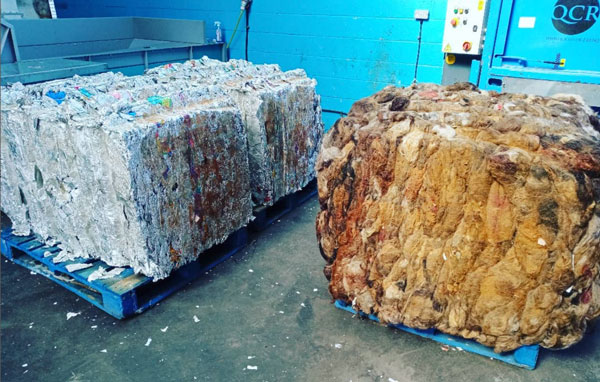 The beauty industry isn’t the only player. Numerous charitable organizations and craft groups actively collect used hair, including extension pull-outs and donated man-made wigs. This collected hair, while sometimes having different textures than pure human hair, still holds immense value. Organizations like the Green Salon Collective purchase these recycled hair supplies for resale to artists and crafters. It becomes everything from natural wigs for children at special needs schools, stuffing for dolls and stuffed animals, yarn for hooking and felting projects, or components used in biomass fuel production. This widespread reuse transforms everyday items into functional objects with a reduced environmental impact.
Environmental Benefits: Closing the Loop
Choosing to recycle hair isn’t just about the final product; it’s about responsible resource management. Virgin human hair is a renewable resource, but the collection and processing efforts for it are still substantial. By recycling existing hair, we decrease the overall demand for collecting raw materials in massive quantities. This system helps avoid contributing to larger waste streams (if hair were to be incinerated for energy, for example) and significantly reduces the amount of usable hair that would otherwise be landfilled or discarded improperly. It’s a practical way to close a loop.
Your Contribution as the Beauty Community Grows
 Each strand counts in the collective effort. Individuals with long hair who consider donating for wigs or supporting school programs can make a tangible difference. Salon patrons can inquire if their establishment participates in collection programs. Crafting enthusiasts can seek out local groups that redistribute recycled hair for community projects. As more people become aware of and involved in hair recycling initiatives, the system strengthens, proving definitively that recycling your hair – whether fine strands or a braid – is genuinely “a thing,” and an increasingly necessary one.