

Alright, let’s talk scalp. That tight, itchy, possibly burning sensation? The one that whispers “Ignore me at your peril” and makes you wonder why your hair sometimes feels more like a helmet? Tired of scalp SOS operations that are either a miracle cure… or leave you feeling worse than before? Welcome, weary warriors of the hairline! This blog post is a deep dive into the surprisingly effective, gentle ways to soothe an irritated scalp back to calm and comfort. Forget heavy creams with a long ingredient list you can’t pronounce – we’re talking about nature’s own spa treatments. Ready to transform that itch into an awesome state of blissful calm?
Hydrating Heroes: Quench Your Scalp’s Thirst
 The root cause of many an irritated scalp’s misery is dehydration. When your scalp feels tight and itchy, it’s often crying out for hydration. Using gentle, sulfate-free shampoos that strip harsh chemicals can make a world of difference. Follow up with leave-in conditioners or scalp serums containing hydrating powerhouses like coconut oil or argan oil. These not only moisturize but also provide a protective barrier. For extra hydration, try applying pure, cold-pressed shea butter directly to your scalp, gently massaging it in circular motions. This mimics the ‘after a relaxing bath’ feeling but for your hairline!
Herbal Comfort Zone: Nature’s Calming Agents
 Plants have powerful allies when it comes to soothing irritation. Think of it as your scalp’s own little spa day featuring herbal heroes. Applying diluted calendula-infused oil can be incredibly soothing and has natural anti-inflammatory properties. Chamomile, especially German chamomile, is a gentle powerhouse for calming sensitive skin. You can add soothing tea tree oil (diluted!) for its anti-fungal and cleansing properties, or use rosemary oil diluted to stimulate blood flow and promote healing. For a DIY treatment, brew a calming tea using soothing herbs like lavender or peppermint leaves – allowing them to cool completely before using the infused water as a toner or spritz on the scalp.
Gentle Exfoliation: Removing the Aggravators
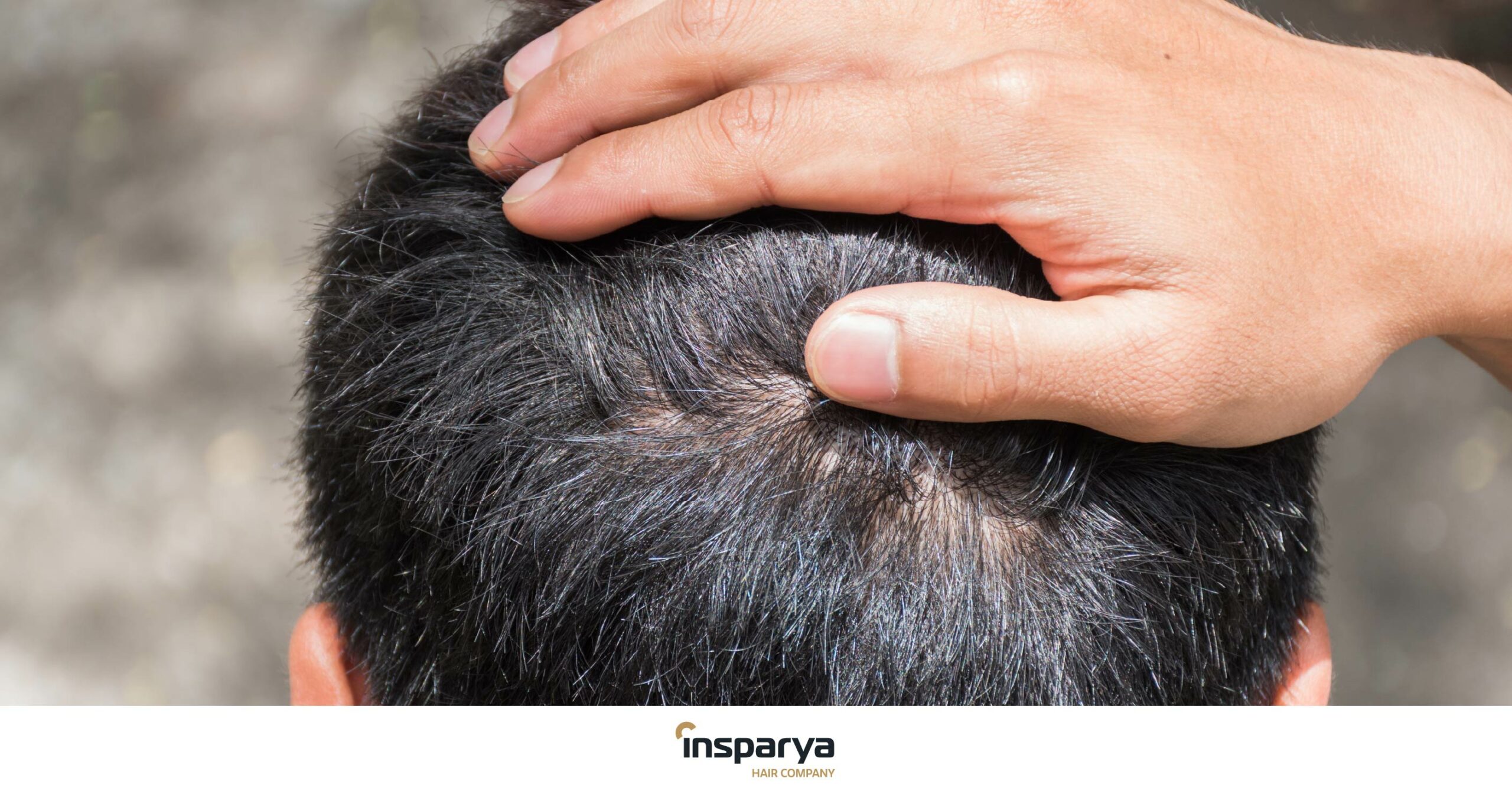 Now, while hydration and herbs are restorative, sometimes a gentle ‘spring cleaning’ is needed. A mild exfoliation can help remove flaky skin, dead cells, and product buildup that might aggravate the scalp. Don’t reach for harsh scrubs! Instead, opt for gentle exfoliants incorporating fine clays like kaolin or bentonite, or finely ground, natural substances like honey or yoghurt. These methods help clear congestion without damaging sensitive skin. Follow the exfoliation with a deep, cooling aloe vera gel application. The cooling sensation provides immediate relief while helping to lock in moisture and calm inflammation, allowing the soothing herbs and oils to work their magic efficiently.
Treating the Triggers: Lifestyle and Prevention
 Often, soothing symptoms is only part of the job; identifying the root cause is key to long-term relief. Think about your hair care routine: are the products you’re using too stripping? Could there be an allergic reaction, perhaps to fragrances or silicones in shampoos or conditioners? Environmental factors like dry weather, harsh hair dyes, or frequent heat styling can also contribute significantly. Reducing heat styling time, using a heat protectant, and minimizing the frequency of harsh chemical treatments can make a noticeable difference in scalp health, preventing future episodes of irritation.
Rituals for Relief: Self-Care is Scalp-Care
 When an irritated scalp strikes, sometimes the best thing you can do is calm yourself. Take a few quiet moments with a cool compress to lower inflammation – sit down, close your eyes, and let the cool sensation wash away tension. Deep breathing exercises focusing on calm can also help reduce stress, which some individuals believe can worsen flare-ups. Pairing gentle scalp massages during your shampooing routine into your hair care regimen isn’t just relaxing; it improves circulation to the scalp, promoting faster repair and overall health. This mindful touch combined with natural treatments transforms a simple hair care task into a profound act of self-care, creating a natural feedback loop of comfort and well-being.